Uncover Safe Ingredients for Homemade Pet Treats
What Are the Best Hypoallergenic Protein Sources for Your Pets?
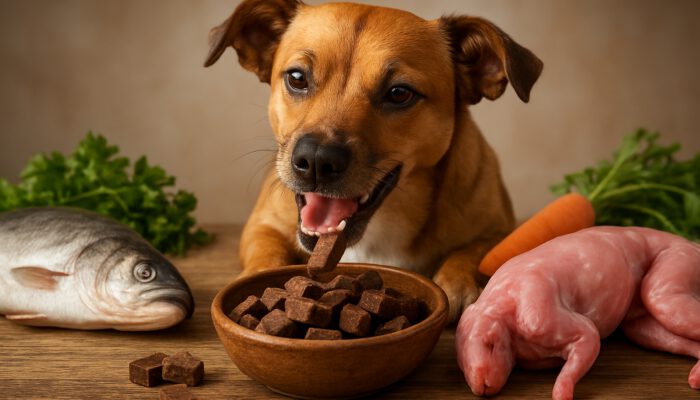
When selecting proteins for hypoallergenic pet treats, prioritising unique and novel sources like duck and fish is crucial. These protein options are generally less likely to cause allergic reactions in pets with sensitivities compared to more common choices such as beef or chicken. This thoughtful selection significantly reduces the risk of allergies, ensuring a healthier dietary experience for your furry companions.
Incorporating proteins from unconventional sources not only delivers essential nutrients but also supports pets’ overall health. For instance, venison and rabbit proteins are often well-accepted by animals with food sensitivities. By diversifying protein sources, pet owners can offer a nutritionally balanced diet tailored to each pet’s specific needs, thereby minimising adverse reactions and enhancing their well-being.
Which Grains Are Best to Include in Hypoallergenic Treats?
Carefully evaluating grain options is vital for finding safe alternatives for pets with dietary sensitivities. Quinoa stands out as an excellent gluten-free grain that serves as a complete protein source and is easy on the digestive system. This makes it an ideal choice for pet owners who wish to incorporate grains into their hypoallergenic treat recipes.
On the other hand, it is essential to avoid common allergens such as wheat and corn, which can trigger allergic reactions in many pets. Instead, consider using grains like brown rice or oats that are typically better tolerated. These grains can provide the necessary carbohydrates for energy without compromising health, ensuring that pets can enjoy their treats without any adverse effects.
How Do Fresh Vegetables Boost Treat Nutritional Value?
Adding fresh vegetables to homemade hypoallergenic treats is an effective method for significantly enhancing their nutritional profile. Vegetables such as sweet potatoes, carrots, and peas are rich in essential vitamins and fibre, supporting overall pet health. When included in treat recipes, these vegetables not only improve taste but also offer substantial nutritional benefits.
Moderation is key when incorporating vegetables into treats. While they are nutritious, excessive amounts can lead to digestive discomfort. Aim for a balanced combination that complements the primary ingredients, ensuring pets receive the benefits of added nutrition without overwhelming their digestive systems or causing discomfort.
What Are Safe Fats and Oils for Homemade Pet Treats?
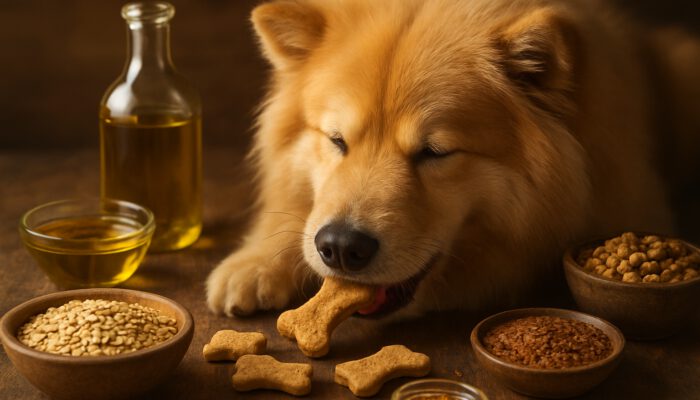
Selecting suitable oils and fats for hypoallergenic pet treats requires careful consideration. Fats such as flaxseed oil and olive oil are rich in omega fatty acids, promoting skin health and potentially reducing inflammation in pets prone to sensitivities. Including these healthy fats in treats contributes to a shiny coat and overall wellness for your beloved pets.
It is important to avoid common allergens like corn oil or animal fats, as these can provoke adverse reactions in sensitive pets. By selecting high-quality, safe fats, pet owners can create treats that not only taste delightful but also provide essential long-term health benefits, enhancing their furry companions’ quality of life.
Expert Insights on Crafting Hypoallergenic Pet Treats
What Best Practices Should You Implement When Formulating Treats?
Experts suggest a balanced approach when creating hypoallergenic pet treats. This entails ensuring a harmonious blend of proteins, carbohydrates, and fats to support pet wellness while effectively addressing allergy concerns. Experimenting with various ingredient combinations can help identify the most suitable options for individual pets, resulting in a truly personalised treat experience.
It is vital to monitor pets’ health and well-being after introducing new treats into their diet. Regular consultations with veterinarians or pet nutritionists can provide valuable insights into the effectiveness of the formulations and whether any adjustments are necessary to optimise health outcomes, ensuring that pets thrive on their new treats.
What Steps Should You Follow for Preparing Homemade Treats?
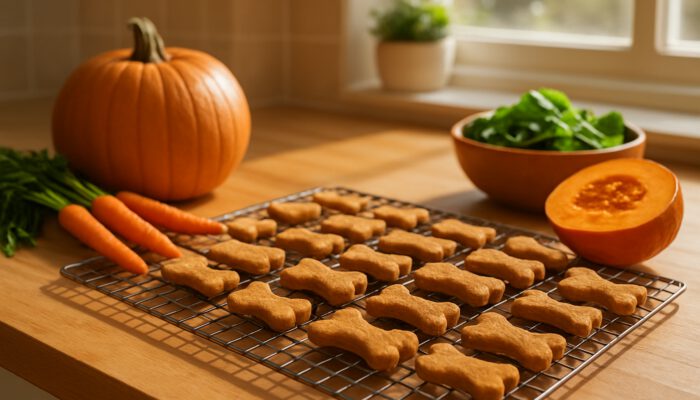
To keep homemade hypoallergenic treats fresh, appealing, and safe for your pets, consider implementing the following preparation techniques:
- Use fresh ingredients to maximise flavour and nutritional value, ensuring that your treats are both delicious and beneficial.
- Accurately measure ingredients for consistency in each batch, which is essential for creating reliable outcomes.
- Prepare treats in small batches to maintain freshness and prevent spoilage, allowing you to provide your pets with the best possible snacks.
- Allow treats to cool completely before storage to prevent moisture buildup, which can compromise quality and safety.
By diligently following these steps, you can help avoid introducing new irritants during the cooking process, ensuring the treats are both safe and enjoyable for pets, thus contributing to their overall health and happiness.
What Are the Best Storage Methods for Treat Longevity?
Proper cooling and storage are crucial for maintaining the quality and safety of homemade pet treats. After baking, allow the treats to cool completely before placing them in airtight containers. This practice prevents moisture from affecting texture and flavour, enabling your pets to enjoy safe, tasty snacks regularly without compromising their health.
For longer-term storage, consider freezing treats in small portions. This not only extends their shelf life but also makes it easy to provide fresh snacks as needed. Just remember to thaw them carefully before serving to ensure they remain palatable and safe for your pets, helping you maintain a steady supply of treats.
How Do You Choose Appropriate Ingredients for Hypoallergenic Treats?
Veterinary nutritionists stress the importance of selecting novel proteins and limited ingredients to minimise allergic reactions in pets. Choosing high-quality, organic components supports overall health and well-being. Scrutinising labels is essential to avoid common allergens like wheat, soy, and dairy, ensuring that your pets receive only the best nutrition.
Consulting with professionals can provide valuable guidance on ingredient selection. They can assist pet owners in navigating the complexities of pet nutrition and recommend specific brands or products that meet their pets’ dietary needs, ensuring a safe and enjoyable treat experience that contributes to their health and happiness.
How Can You Assess the Effectiveness of Your Homemade Treats?
Conducting controlled trials with pets is an effective strategy for evaluating the efficacy of hypoallergenic recipes over time. By closely monitoring symptoms such as skin reactions or digestive issues, pet owners can gauge how well the treats are working for their pets. This ongoing evaluation is crucial for making necessary adjustments to recipes, ensuring optimal health outcomes.
Engaging experts throughout this process can help ensure that treats provide relief from allergies while maintaining nutritional balance and palatability. Keeping a detailed record of pets’ responses to different recipes can aid in refining future treat formulations for optimal health benefits, enabling pet owners to create the best possible snacks for their furry companions.
Which Ingredients Should You Avoid in Homemade Pet Treats?
What Common Allergens Should Be Eliminated from Pet Treats?
Identifying and eliminating common allergens is critical when creating hypoallergenic pet treats. Ingredients such as beef, wheat, and dairy often cause itching, gastrointestinal upset, or other adverse reactions in sensitive pets. Substituting these with gentler options can lead to more tolerable and healthier treats for your furry friends.
Consider using alternative protein sources like turkey or fish, which are less likely to trigger allergies. Grains such as rice or quinoa can provide necessary carbohydrates without the risks associated with common allergens. This careful approach can result in healthier and happier pets who enjoy their treats without discomfort.
Which Flavor Enhancers Should Be Avoided in Pet Treats?
While artificial additives may seem like a simple solution for enhancing flavour, they can lead to negative effects in pets. Ingredients such as artificial colours, flavours, and preservatives can provoke allergic reactions or digestive issues. opting for natural flavour enhancers is advisable in all hypoallergenic treat recipes to ensure the well-being of your pets.
Instead of synthetic additives, consider using pureed fruits or vegetables to naturally enhance flavour. These alternatives not only provide delightful taste but also add extra nutrients, making treats both enjoyable and beneficial for pets, thereby promoting a healthier and happier lifestyle for your furry companions.
How Can You Reduce the Risks of Cross-Contamination in Treat Preparation?
To minimise the risk of cross-contamination, it is essential to maintain separate preparation areas for hypoallergenic treats. This practice ensures that pets with heightened sensitivities are not exposed to trace elements from potential allergens, safeguarding their health and well-being. Using dedicated utensils and equipment can further reduce risks, providing a safe environment for treat production.
Thoroughly cleaning surfaces and tools before and after preparing treats is equally important. Implementing these safety measures creates a controlled environment, allowing pet owners to produce safe and suitable snacks for their furry friends without compromising their health or introducing new allergens.
What Baking Techniques Ensure Optimal Results for Pet Treats?
What Are the Ideal Oven Temperature Guidelines for Baking Treats?
Maintaining moderate heat levels during baking is vital for achieving optimal results in hypoallergenic pet treats. Excessively high temperatures may cause nutrient loss, while too low temperatures can lead to undercooked treats. Aim for a consistent temperature that allows for even cooking and the desired texture, ensuring that the treats are both delicious and nourishing.
Monitoring baking times is equally important. Treats should be baked until they achieve a golden brown colour and feel firm to the touch. This ensures they are safe for pets to consume and possess the right texture that appeals to their preferences, making treat time a delightful experience for them.
How Do You Mix Ingredients for Even Distribution in Treats?
Thoroughly mixing ingredients is essential for achieving uniform flavour and safety in each piece produced from hypoallergenic treat recipes. Proper blending ensures that all components are evenly distributed, preventing any single ingredient from overshadowing the flavour or texture of the treats, which is key to making them enjoyable for pets.
Using a stand mixer or food processor can help achieve a consistent mixture. This method not only saves time but also guarantees that each treat is equally nutritious and palatable, making them more enjoyable for pets. A well-mixed batch ensures your pets will relish every bite of their treats.
What Tools Can Simplify the Homemade Treat-Making Process?
Basic kitchen tools can significantly streamline the process of making hypoallergenic pet treats. Items like silicone baking mats, measuring cups, and mixing bowls facilitate the creation process, ensuring consistent outcomes without the need for specialised equipment, making it easier for pet owners to produce treats at home.
Investing in quality baking sheets and spatulas can also enhance the experience. These tools simplify transferring treats and ensure even baking, contributing to a more efficient and enjoyable process for pet owners while yielding delicious outcomes for their pets.
How to Effectively Test for Allergies in Pets?
What Are the Basics of an Elimination Diet for Pets?
The elimination diet is a fundamental method for identifying food allergies in pets. This structured approach involves removing suspected allergens from the pet’s diet and gradually reintroducing them one at a time. This process effectively pinpoints specific triggers that may be causing adverse reactions, leading to improved health and comfort for your pets.
During the elimination phase, closely monitoring pets for any changes in behaviour, coat condition, or gastrointestinal health is vital. Keeping a detailed food diary can assist in tracking progress and identifying patterns, ultimately refining future hypoallergenic treat recipes and ensuring that pets receive the best care possible.
How Do You Monitor for Signs of Allergic Reactions in Pets?
Observing changes in a pet’s skin, coat, and behaviour is crucial for identifying allergy-related issues early on. Regular monitoring enables pet owners to adjust recipes as needed, ensuring better long-term comfort and vitality for their pets. Look for signs such as itching, redness, or digestive upset to catch any potential problems promptly.
If any adverse reactions occur, consulting with a veterinarian is essential. They can provide insights into potential allergens and recommend adjustments to treat recipes that align with the pet’s specific needs, ensuring a healthier diet overall and reducing the chances of further issues.
Why Is Consulting Veterinary Input Important for Allergy Testing?
Professional guidance from veterinarians can greatly enhance the process of testing for allergies in pets. They can accurately interpret test results and create tailored treat plans that align with individual health needs and restrictions. This collaboration is essential for developing effective hypoallergenic recipes that contribute to the well-being of pets.
Veterinarians can also recommend safe ingredients and potential allergens to avoid. By working together, pet owners can develop a comprehensive dietary strategy that supports their pet’s health while minimising the risk of allergic reactions, promoting a balanced and enjoyable eating experience.
What Are Trusted Strategies for Creating Hypoallergenic Treats for Pets?
How Can You Implement Research-Backed Portion Control for Pet Treats?
Applying research-backed portion control is crucial for preventing overfeeding while providing satisfying rewards. Accurately measuring servings ensures that pets receive the correct amount of treats without exceeding their daily caloric limits. This practice helps maintain a healthy weight and overall well-being for your pets, allowing them to lead happy lives.
Using a kitchen scale or measuring cups simplifies this process. By following recommended serving sizes based on a pet’s weight and activity level, pet owners can offer enjoyable snacks that fit seamlessly into their pets’ daily diets without compromising health, fostering a balanced nutritional approach.
What Flavor Variations Can You Experiment with in Treats?
Rotating mild ingredients in hypoallergenic treats keeps them interesting for pets without compromising their integrity. Experimenting with various flavours, such as pumpkin, apple, or sweet potato, can provide enjoyable variety while remaining safe for sensitive animals. These substitutions can enhance the appeal of treats, keeping pets excited at snack time.
Incorporating seasonal ingredients adds excitement to treat recipes. For instance, using fresh berries in the summer or pumpkin in the fall offers a fun way to keep treats fresh and enjoyable for pets throughout the year while adhering to their dietary needs, ensuring they receive nutritious and tasty snacks.
How Do You Scale Recipes for Larger Batches of Treats?
Efficiently adjusting quantities supports regular preparation routines for hypoallergenic pet treats. By scaling recipes, pet owners can maintain freshness and convenience, ensuring a consistent supply of safe snacks for their pets. This approach saves time and reduces the likelihood of running out of treats unexpectedly, allowing for smooth daily feeding routines.
Consider using batch preparation techniques, such as doubling or tripling recipes, to create larger quantities. This method facilitates easy storage and quick access to treats, making it simpler to incorporate them into daily feeding routines without compromising quality or safety.
How Do These Treats Contribute to Long-Term Health for Pets?
What Are the Immune System Benefits of Hypoallergenic Treats?
Carefully chosen components in hypoallergenic treats can help reduce inflammation and bolster pets’ natural defences. Ingredients rich in antioxidants and omega fatty acids contribute to overall health, potentially leading to fewer veterinary visits throughout a pet’s life. This proactive approach can significantly enhance the quality of life for pets, allowing them to thrive.
By focusing on whole, natural ingredients, pet owners can effectively support their pets’ immune systems. Regular consumption of these treats can help maintain optimal health and vitality, allowing pets to enjoy longer, happier lives while minimising health concerns.
How Do These Treats Improve Digestive Comfort for Pets?
Gentle fibres and proteins in hypoallergenic treats alleviate gut strain and promote regular bowel movements. This is particularly important for pets with sensitive digestive systems, as they may be prone to discomfort. Treats made with easily digestible ingredients can enhance nutrient absorption and overall digestive comfort, supporting better health.
Monitoring pets’ responses to these treats can provide valuable insights into their digestive health. Positive changes in bowel movements and reduced gastrointestinal distress indicate that the treats are beneficial and can be safely incorporated into daily feeding schedules, leading to happier, healthier pets.
How Do Treats Enhance Coat and Skin Health for Pets?
Including essential fatty acids from safe sources in hypoallergenic treat recipes can lead to shinier fur and reduced irritation. Ingredients like fish oil or flaxseed oil promote improved skin health and can alleviate issues such as dryness and itching. This focus on skin and coat health is vital for overall pet wellness, ensuring that pets feel comfortable and look their best.
Regularly incorporating these healthy fats into treats can yield noticeable improvements in coat condition over time. Pet owners should monitor their pets’ skin and fur to assess the effectiveness of these ingredients and adjust recipes as necessary to maximise benefits, promoting a vibrant and healthy appearance.
How to Responsibly Share Treats with Pets?
What Is the Best Timing for Treats Around Meals?
Offering treats between regular feedings is a strategic approach to avoid disrupting appetite. This practice helps maintain balanced nutrition throughout the day for all pets in the household, allowing them to enjoy snacks without interfering with their main meals. Establishing a routine for giving treats can help reinforce positive behaviour and create anticipation.
This thoughtful method enables pets to enjoy their treats while ensuring they receive proper nutrition from their regular meals. By integrating treats into a well-planned feeding schedule, pet owners can foster a healthy relationship with food, leading to happier, more satisfied pets.
How Do You Observe Individual Responses to Treats?
Tracking pets’ preferences and tolerances after introducing new treats is essential for refining future batches. Every pet is unique, and their reactions to specific ingredients can vary significantly. By observing how pets respond to different treats, owners can adjust recipes to better suit their individual needs and enjoyment levels, ensuring a customised approach to their nutrition.
Keeping a journal of pets’ reactions can yield valuable insights over time. This information can guide future treat formulations, ensuring that pets receive snacks they love while adhering to their dietary requirements, creating positive associations with mealtime and treat time.
How Can You Integrate Treats with Daily Diets for Optimal Nutrition?
Incorporating treats as supplements rather than replacements is vital for ensuring complete nutrition for pets. This approach allows pet owners to introduce variety into standard meal plans while maintaining a balanced diet. Treats should complement regular meals, adding extra flavours and textures without compromising health, enhancing the overall feeding experience.
By thoughtfully considering the overall dietary balance, pet owners can ensure that treats enhance their pets’ eating experiences. This strategy fosters a healthy relationship with food and can lead to happier, more satisfied pets who enjoy their meals and treats alike.
Why Is It Important to Choose Safe Ingredients for Pet Treats?
Prioritising the selection of ingredients known to be safe for pets is essential for preventing toxic reactions. This careful consideration supports overall well-being when distributing homemade or commercial treats among different household animals. Understanding which ingredients are safe versus harmful is crucial for responsible pet ownership, ensuring that all pets receive treats that promote their health.
Educating oneself on common pet toxins can help avert accidental exposure. By remaining informed and vigilant, pet owners can create a safe and enjoyable treat experience for all their furry friends, allowing them to thrive in a healthy and loving home environment.
Frequently Asked Questions about Hypoallergenic Pet Treats
What Are Hypoallergenic Pet Treats?
Hypoallergenic pet treats are specially formulated snacks designed to minimise allergic reactions in pets. They typically feature limited ingredients and avoid common allergens, making them suitable for pets with food sensitivities and dietary restrictions, ensuring their health and happiness.
How Do I Know If My Pet Has Food Allergies?
Signs of food allergies in pets may include itching, gastrointestinal upset, or skin irritations. Monitoring your pet’s reactions to new foods and treats can help identify potential allergens, allowing for timely adjustments to their diet and treatment plan.
Can I Use Human Food Ingredients in Pet Treats?
Yes, many human food ingredients are safe for pets, but it’s crucial to avoid toxic foods like chocolate, grapes, and onions. Always research ingredients before incorporating them into pet treats to ensure their safety and suitability for your furry companions.
How Long Can I Store Homemade Pet Treats?
Homemade pet treats can generally be stored in an airtight container for up to two weeks at room temperature. For extended storage, consider freezing them for several months to ensure they remain fresh and safe for your pets.
Are There Recommended Brands for Hypoallergenic Treats?
While many brands offer hypoallergenic options, it’s best to consult with your veterinarian for personalised recommendations based on your pet’s specific needs and sensitivities, ensuring that you choose the best products for their health and happiness.
How Often Should I Give My Pet Treats?
Treats should be given in moderation, ideally comprising no more than 10% of your pet’s daily caloric intake. This helps maintain a balanced diet and prevents overfeeding, promoting long-term health and well-being for your pets.
Can I Use the Same Recipe for Different Pets?
It’s best to tailor recipes to each pet’s specific dietary needs and sensitivities. Ingredients that are safe for one pet may not be suitable for another, so individual customisation is key to ensuring their health and enjoyment.
What Should I Do If My Pet Has a Reaction to a Treat?
If your pet shows signs of an allergic reaction, discontinue the treat immediately and consult your veterinarian for guidance on next steps and potential dietary adjustments, ensuring that your pet receives the best care possible.
Can I Make Treats for Pets with Multiple Allergies?
Yes, it is possible to create treats for pets with multiple allergies by focusing on novel proteins and safe ingredients. Consulting with a veterinarian can help ensure the treats are suitable and safe for pets with complex dietary needs.
Are Store-Bought Hypoallergenic Treats Effective?
Store-bought hypoallergenic treats can be effective, but their quality varies. Always check the ingredient list and consult with your veterinarian to find the best options for your pet’s needs, ensuring their health and satisfaction.
Connect with us on Facebook today!
The Article hypoallergenic treat recipes for pets: Easy Ideas First Published On https://elgatoencasa.com
The Article Hypoallergenic Treat Recipes for Pets: Simple and Delicious Ideas Was Found On https://limitsofstrategy.com
References:
Hypoallergenic Treat Recipes for Pets: Simple and Delicious Ideas