Perfect Your Technique for Soaking and Preparing Dried Chickpeas for Hummus
Comprehensive Guide to Soaking Chickpeas Effectively
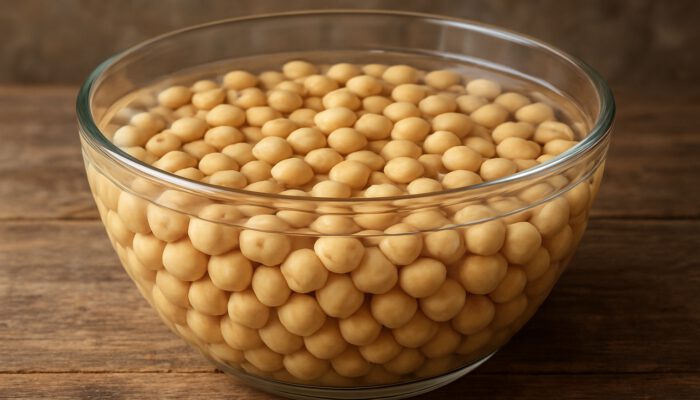
Embark on your journey to prepare mouth-watering hummus with dried chickpeas by rinsing them thoroughly under cool running water. Next, place the rinsed chickpeas in a large bowl and cover them generously with fresh water. Let them soak overnight, which allows the chickpeas to swell and soften, making the cooking process much easier later.
This soaking step is vital as it hydrates the chickpeas, ensuring uniform cooking and helping them develop the rich creamy texture you desire in your final hummus. When you check back the next day, you’ll notice that they have nearly doubled in size, signalling that they are primed for cooking.
How Can You Tell If Chickpeas Are Ready to Cook?
Once the soaking is complete, inspect the chickpeas to confirm they have softened and expanded adequately. They should feel tender with no hardness left. This is essential for achieving a smooth hummus consistency.
If the chickpeas still feel firm, consider soaking them for a few additional hours. Properly soaked chickpeas contribute significantly to the texture of your hummus, ensuring a delightful experience that is both creamy and flavourful.
Why Does Water Quality Matter When Soaking Chickpeas?
Utilising filtered water for the soaking process is crucial. Impurities present in tap water can adversely affect the taste and texture of your hummus. Clean water allows the natural flavours of the chickpeas and other ingredients to shine through in your final dish.
The quality of the water also determines how effectively the chickpeas absorb moisture. This is particularly significant for those aiming to create a rich and creamy hummus that stands out. Always opt for the best quality water available to ensure outstanding results.
Pro Tips for Crafting Hummus from Dried Chickpeas
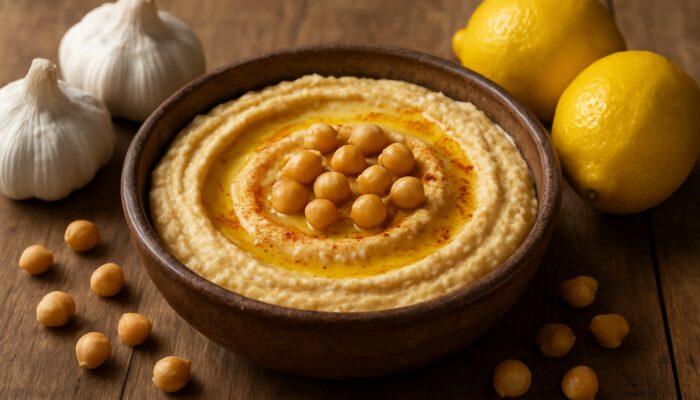
Perfecting Blending Techniques for a Creamy Hummus
To achieve that signature creamy texture in hummus, focus on mastering blending techniques. Start by processing the cooked chickpeas in a high-powered food processor. Blend until you reach a smooth consistency before introducing tahini and other ingredients that will enhance the texture.
Occasionally pause to scrape down the sides of the processor bowl. This ensures even mixing of all ingredients, preventing any lumps from forming. Your aim is to create a velvety spread that is both delicious and visually appealing.
Selecting Premium Ingredients for Exceptional Hummus
Choosing high-quality dried chickpeas and pure tahini is vital for elevating the flavour profile of your hummus. Look for chickpeas that are uniform in size and devoid of blemishes. Fresh, top-notch tahini will also significantly enhance the overall taste.
Opting for quality ingredients not only boosts flavour but also increases the nutritional value of your hummus. Investing in superior components results in a dish that is not only delectable but also healthy.
Best Strategies for Storing Your Homemade Hummus
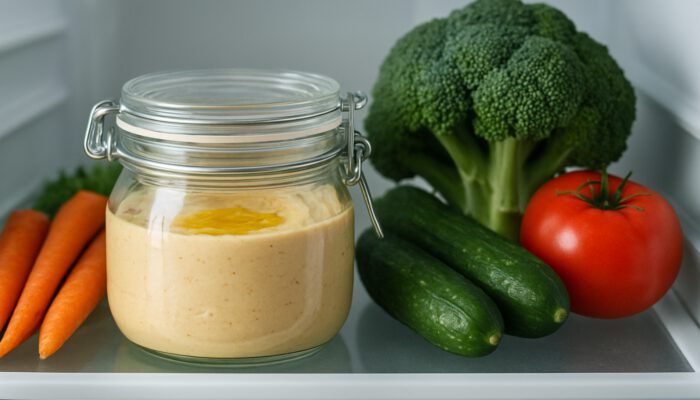
- Store hummus in an airtight container to preserve freshness.
- Refrigerate for up to a week.
- Consider freezing individual portions for extended storage.
- Add a layer of olive oil on top to help retain moisture.
Implementing effective storage techniques is crucial for keeping your hummus fresh for several days. An airtight container prevents air exposure, which can lead to spoilage. By following these guidelines, you can savour your homemade hummus at its best for a longer time.
How Does the Cooking Process Affect Chickpea Texture?
Key Guidelines for Boiling Chickpeas
Simmer the soaked chickpeas for approximately one hour or until they are completely soft. Stir them occasionally and skim off any foam that forms on the surface during cooking. Proper boiling ensures that the chickpeas break down easily, resulting in a smooth final product.
Be cautious not to overcook, as this can lead to mushy chickpeas, while undercooking may result in a grainy texture in your hummus. Keeping a close eye on the cooking process is essential to achieving the ideal creamy consistency.
What Factors Impact Chickpea Tenderness During Cooking?
Numerous factors influence the tenderness of chickpeas while cooking. The level of heat is critical; excessively high temperatures can cook the outer layer while leaving the centre firm. It is essential to maintain a gentle simmer for even cooking.
Water coverage matters as well. Ensure the chickpeas remain fully submerged in water throughout the cooking process. This prevents undercooking and guarantees that the chickpeas achieve the desired tenderness for a satisfying hummus.
How Does Baking Soda Improve Chickpea Cooking?
Add a small quantity of baking soda while boiling the chickpeas to enhance their creaminess significantly. Baking soda helps break down the chickpea skins, making them softer and easier to blend.
Use caution with the amount of baking soda; a teaspoon is generally sufficient for a large batch. This simple addition can greatly improve the attainment of that velvety texture that distinguishes exceptional hummus.
Research-Backed Benefits of Preparing Hummus from Dried Chickpeas
Nutritional Benefits of Chickpeas
Dried chickpeas offer a wealth of protein and fibre, making hummus a nutritious option for balanced meals. These nutrients support sustained energy levels throughout the day, making hummus an excellent choice for healthy snacks or meals.
The high fibre content promotes digestive health, while the protein supports muscle repair and growth. Including hummus in your diet serves as a delicious way to enhance your overall nutrition and wellbeing.
Discovering Flavor Enhancements for Your Hummus
To elevate the taste of your hummus, consider incorporating garlic, lemon juice, and olive oil in measured amounts. Begin with one clove of garlic, the juice of one lemon, and a few tablespoons of olive oil, adjusting according to your personal taste preferences.
These ingredients not only boost flavour but also add depth to the overall profile of the hummus. Experimenting with different ratios can lead to exciting variations that cater to your palate, making each batch a delightful culinary experience.
Health Advantages of Choosing Dried Chickpeas
Opting for dried chickpeas instead of canned varieties significantly reduces sodium intake while preserving essential nutrients. Canned chickpeas often contain added salt, which can diminish the health benefits of this nutritious legume.
By preparing hummus from dried chickpeas, you maintain control over the ingredients, ensuring a healthier final product. This method allows you to enjoy all the benefits of chickpeas without unnecessary additives or preservatives.
What Advantages Does Tahini Bring to Hummus?
Enhancing Creaminess with Tahini
Tahini contributes a rich, nutty flavour and silky texture that binds the chickpeas into a cohesive dip. This ingredient is crucial for achieving the creamy consistency commonly associated with traditional hummus.
Adding tahini not only enhances the taste of your hummus but also makes it more enjoyable to eat. The unique flavour complements the chickpeas, creating a harmonious balance that elevates the entire dish.
The Nutritional Benefits of Incorporating Tahini
Tahini provides healthy fats and additional protein, enhancing the overall dietary benefits of your hummus. These healthy fats are essential for nutrient absorption and can help keep you feeling full for longer.
Tahini is abundant in various vitamins and minerals, including calcium and magnesium, which support overall health. Including tahini in your hummus recipe boosts both flavour and nutritional value, making it a smart choice for health-conscious individuals.
How to Measure Tahini Accurately
When incorporating tahini, do so gradually while blending to achieve the perfect consistency. Start with a few tablespoons and adjust according to your taste preferences. Careful measurement ensures that the mixture doesn’t become overly thick or too thin.
Finding the right balance is crucial. Too much tahini can overpower the other flavours, while too little may result in a less creamy texture. Take your time to adjust until you achieve the ideal blend that delights your palate.
How Tahini Extends the Shelf Life of Hummus
Tahini helps preserve the freshness of homemade hummus due to its natural oils and antioxidants. When stored in an airtight container in the refrigerator, hummus can remain safe and delicious for an extended period.
This preservation allows you to enjoy your hummus for several days without compromising quality. The natural properties of tahini contribute to a longer shelf life, making it a valuable ingredient in your hummus preparation.
Enhancing Culinary Versatility with Tahini
Incorporating tahini allows hummus to pair exceptionally well with a variety of dishes and cuisines worldwide. Its distinctive nutty qualities and texture enhance everyday meals, making it a versatile ingredient that elevates everything from breakfast to dinner.
Whether served as a dip, spread, or ingredient in salads and wraps, tahini-infused hummus adapts beautifully to different culinary contexts. This versatility makes it a staple in many kitchens around the globe.
Proven Techniques for Crafting Hummus from Dried Chickpeas
Optimal Practices for Using Blending Equipment
Utilising a high-powered food processor is essential for achieving a smooth and lump-free hummus. A powerful processor ensures even mixing, allowing the chickpeas and other ingredients to blend seamlessly.
Investing in quality equipment can significantly enhance the final texture of your hummus. If you don’t have a food processor, a high-speed blender is also effective, but be sure to blend in smaller batches for consistent results.
Expert Tips for Seasoning Your Hummus
Refining the seasoning is a crucial step in the hummus-making process. Start with a pinch of salt, cumin, and paprika, blending thoroughly before tasting. This allows you to evaluate the flavours and make adjustments according to your preferences.
Seasoning can greatly influence the overall taste of your hummus. Don’t hesitate to experiment with different spices or herbs to create a unique flavour profile that perfectly aligns with your palate.
The Benefits of Incorporating Fresh Herbs
- Enhances aroma and freshness.
- Adds visual appeal to the dish.
- Provides additional flavour complexity.
- Boosts nutritional value.
Fresh herbs can significantly elevate the overall experience of your hummus. They not only enhance the aroma but also add a burst of colour, making the dish more inviting on the table.
Perfecting the Soaking Process for Dried Chickpeas
To create a smooth and creamy base for authentic homemade hummus, soak dried chickpeas in water with bicarbonate of soda overnight. This method softens the chickpeas, making them easier to cook and blend.
After soaking, gently boil the chickpeas until they are tender. This step is vital for achieving the perfect texture in your hummus, ensuring it is both creamy and delicious when served.
How Can Garnishes Enhance Hummus Presentation?
Drizzling Olive Oil for Added Flavor
Pour a thin layer of high-quality olive oil on top just before serving to add shine and a subtle fruity note to each bite of hummus. This simple garnish not only improves the overall presentation but also amplifies the flavour profile.
Choosing premium olive oil can make a significant difference. Opt for extra virgin olive oil for its rich taste and health benefits, ensuring your hummus is not only visually appealing but also delicious.
Enhancing Colour with Paprika and Fresh Herbs
Sprinkling your hummus with smoked paprika and freshly chopped parsley creates a striking colour contrast, making the dish more inviting. This simple touch can transform an ordinary dip into an eye-catching centrepiece.
These garnishes not only enhance appearance but also contribute additional layers of flavour. Experimenting with various herbs can lead to unique presentations that reflect your personal style.
Top Nuts or Seeds to Use as Hummus Toppings
Toasted pine nuts or sesame seeds serve as excellent toppings for hummus, introducing crunch and complementary flavours. These additions enhance the overall texture while providing a delightful contrast to the creamy base.
Incorporating nuts or seeds can also increase the nutritional value of your hummus, adding healthy fats and proteins. Choose toppings that align with your taste preferences and dietary needs for a truly personalised dish.
Fresh Herb Garnishes for Enhanced Flavor
Sprinkling finely chopped chives or dill over your hummus offers a burst of green freshness. This garnish enhances visual presentation and adds an inviting herbal fragrance that entices diners.
Fresh herbs can also elevate the overall flavour, making each bite a delightful experience. Consider using a variety of herbs to create a colourful and aromatic topping that beautifully complements the hummus.
Troubleshooting Common Hummus Challenges
How to Address Thick Consistency Issues
If your hummus appears too dense, adding small amounts of reserved cooking liquid during blending can help you achieve the desired texture. Gradually incorporate the liquid until the hummus reaches a creamy consistency.
This method allows you to control thickness without sacrificing flavour. Adjusting the consistency is essential to ensure your hummus is enjoyable and spreads easily.
How to Reduce Bitter Flavours in Hummus
If your hummus has a bitter taste, consider slightly increasing the quantities of lemon juice or tahini. Taste as you adjust, finding the right balance that suits your palate.
Bitterness can detract from the overall enjoyment of the dish, so making these adjustments carefully is important. A bit of experimentation can lead to a perfectly balanced hummus that delights the senses.
Benefits of Preparing Hummus in Batches
- Facilitates efficient meal planning.
- Reduces daily cooking time.
- Offers variety in meals.
- Encourages healthy snacking.
Batch preparing hummus provides numerous advantages, especially for those with busy lifestyles. Making larger quantities allows you to enjoy the benefits of quick and nutritious meals throughout the week.
How to Fix Grainy Texture in Hummus
If your hummus turns out grainy instead of smooth, continue blending for a longer period. This can help break down any remaining chickpea particles that contribute to the undesirable texture.
Consider gradually adding extra olive oil until you achieve the desired creamy texture. This not only improves consistency but also enhances flavour, making your hummus more enjoyable.
How to Resolve Oil Separation Issues
If oil separates from the hummus during storage, simply stir it back in thoroughly before serving. This restores the original consistency and prevents waste, ensuring that every bite remains delicious.
Proper storage techniques can help maintain the quality of your hummus, but occasional separation is normal. Stirring it back together is an easy solution that keeps your dip fresh and ready to enjoy.
Creative Ideas for Serving and Pairing Hummus
Ideal Vegetables to Pair with Hummus
Savour your hummus with fresh carrot sticks, cucumber slices, and bell pepper strips for a vibrant and nutritious snack. These vegetables complement the creamy texture of hummus while adding their own unique flavours.
This combination creates a satisfying and healthy snack option, perfect for gatherings or casual munching. The crunch of the vegetables enhances the overall experience, making it an enjoyable pairing.
Delicious Bread and Cracker Combinations
Serving hummus alongside warm pita bread or wholegrain crackers makes for satisfying appetizers at gatherings. The blend of creamy dip with crunchy bread or crackers is sure to please any crowd.
These pairings enhance flavour and provide a variety of textures, creating an enjoyable eating experience. Consider offering a selection of breads and crackers for guests to choose from.
Incorporating Hummus into Your Meals
Hummus can serve as a spread in sandwiches or wraps, adding protein and flavour to everyday lunches. This versatile dip enhances the taste of various dishes, making it a valuable addition to any meal.
By incorporating hummus into your meals, you can create satisfying and nutritious options that are both easy to prepare and delicious. This adaptability makes hummus a staple in many kitchens globally.
Your Frequently Asked Questions Answered
Can I use canned chickpeas instead of dried ones?
Yes, canned chickpeas can be used; however, the texture may differ. Dried chickpeas typically yield a creamier hummus.
How long can I store homemade hummus?
Homemade hummus can be stored in an airtight container in the refrigerator for up to one week.
What should I do if my hummus tastes too salty?
If your hummus is too salty, try adding a bit more tahini or lemon juice to balance the flavours.
Is hummus gluten-free?
Yes, hummus is naturally gluten-free, making it an excellent choice for those with gluten sensitivities.
Can I freeze hummus?
Yes, hummus can be frozen. Store it in an airtight container and consume within three months for optimal quality.
What is the best way to serve hummus?
Hummus is best enjoyed at room temperature, drizzled with olive oil and garnished with herbs or spices.
Can I add spices to my hummus?
Absolutely! Feel free to experiment with spices like cumin, paprika, or even cayenne for added flavour.
How can I make my hummus smoother?
For smoother hummus, blend longer and add a bit of reserved cooking liquid or olive oil to achieve the desired consistency.
What is tahini made from?
Tahini is made from ground sesame seeds, providing a rich, nutty flavour that enhances hummus.
Are there health benefits to consuming hummus?
Yes, hummus is high in protein and fibre, which can aid digestion and provide sustained energy.
Join our Facebook community today!
The post Hummus From Dried Chickpeas Recipe: Easy Homemade Guide appeared first on https://cookinggods.com
The Article Dried Chickpeas Recipe: Easy Guide to Homemade Hummus Was Found On https://limitsofstrategy.com
References:
Https://limitsofstrategy.com/dried-chickpeas-recipe-easy-guide-to-homemade-hummus/