A professional shower reseal effectively addresses water infiltration problems stemming from deteriorated grout or worn silicone, which are common in leaking showers. Simply applying a new bead of silicone over an existing issue, such as a compromised membrane behind the tiles or a leaking pipe, serves only as a temporary fix. The shower may appear tidy for a short time, but water continues to penetrate through the same vulnerabilities.
Renovation forums often discuss showers with evident issues. This guide is designed to help you discern the crucial differences between a genuine shower reseal and a superficial patch, as well as evaluate whether your shower truly needs professional attention.
Essential Steps to Achieve Effective Shower Resealing and Regrouting
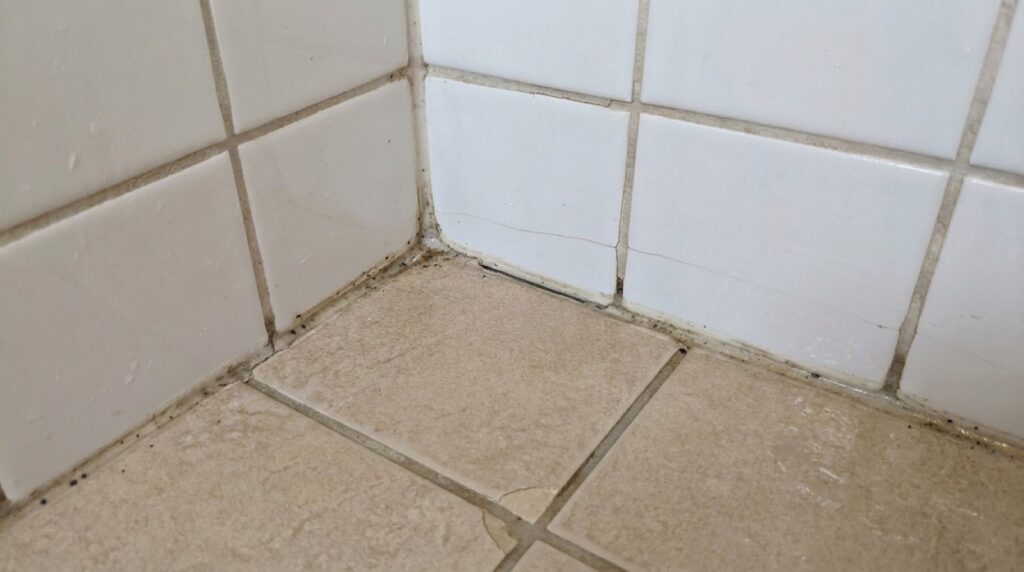
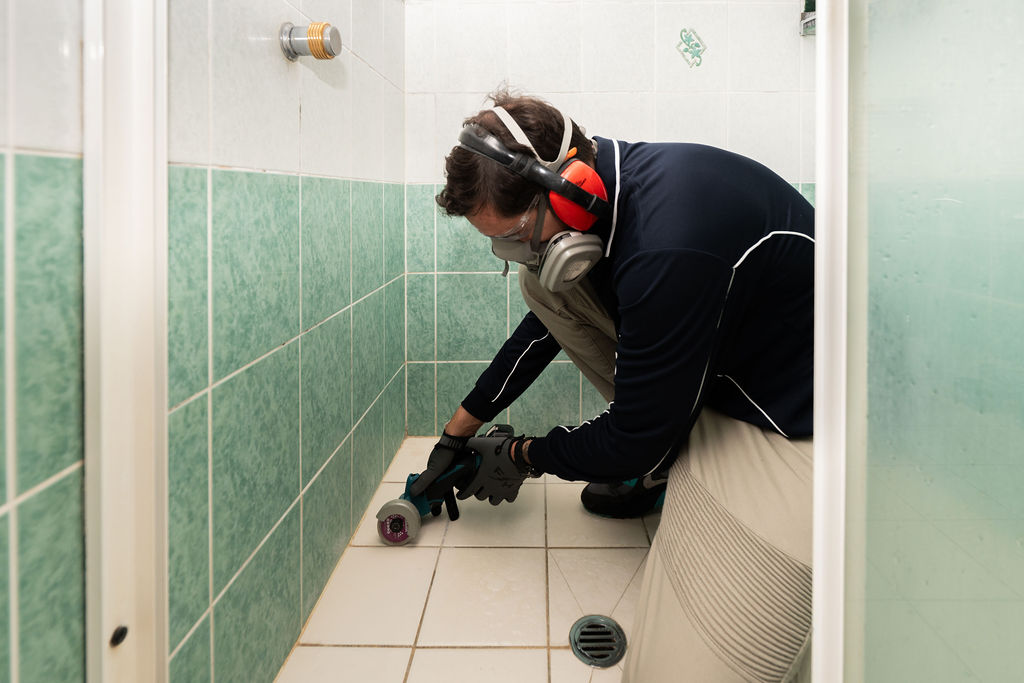
The difference between a successful repair and a mere facade lies in the thorough preparation undertaken before applying any new materials. A legitimate reseal begins with the complete removal of old silicone and careful cleaning of the joints to ensure the new silicone adheres properly. Silicone applied over remnants of old layers, soap scum, or mould will not bond effectively and is likely to peel away shortly after application.
A comprehensive regrout builds on this process. It involves removing damaged grout down to the edges of the tiles, followed by replacement. For shower repairs, epoxy grout is preferred as it does not absorb water like standard cement grout. New silicone is then applied in moisture-prone areas, including corners, where the wall meets the floor, around tap fittings, along the screen track, and around the waste outlet. Typically, the tiles remain in their original positions, and if any tiles have loosened, they can often be reattached and regrouted during the same service.
In contrast, a cover-up merely involves adding a new line of silicone over old silicone or cracked grout, without proper removal or cleaning. While this may create an appealing appearance when listing a property, it fails to address the underlying water-related problems.
When Should You Consider a Shower Reseal for Leaking Showers?
A regrout and reseal is the appropriate response when leaks can be traced back to the shower’s surface. Both grout and silicone are porous, and silicone can shrink and lift over time. Common indicators of surface-related issues include:
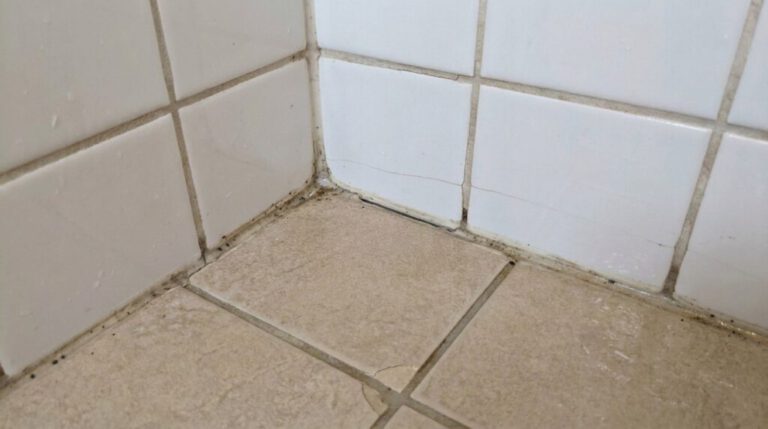
- Cracked, crumbling, or missing grout: visible gaps within the grout lines or grout that remains soft and dark, even after cleaning.
- Mouldy, shrinking, or lifting silicone: silicone that has discoloured black and resists cleaning, or that has detached from the tile or shower base.
- Leaks at junctions and corners: damp skirting boards outside the shower or stains on the wall near the junction of the wall and floor indicate a failure of the seal at that joint.
- Loose tiles: if one or two tiles have become loose while the rest of the shower appears intact, these can typically be reattached during a regrout.
A regrout and reseal also protect the membrane located behind the tiles. When grout and silicone fail, water seeps into the tile bed, accumulating against the membrane over time. This accumulation can compromise the membrane at its joints and corners. By maintaining a sealed surface, the membrane only needs to manage the minimal moisture it was designed to handle. For more details, we have outlined how to prevent a leaking shower without removing tiles, including techniques for detecting leaks.
How Can You Determine if a Shower Requires More Than Just a Reseal and Regrout?
Certain leaks may not be related to grout and silicone issues at all. In these cases, a reseal alone would only act as a temporary measure.
What Are the Indicators of a Failed Membrane Behind Shower Tiles?
Typically, a waterproof membrane lies behind the tiles, designed to capture any water that penetrates beyond the surface. Signs of membrane failure may include:
- Ongoing damage despite a professional regrout and reseal: if the grout and silicone have been correctly redone but the stain or dampness continues to spread, water is likely penetrating at a deeper level.
- Water leaking into lower rooms: indicators such as a ceiling stain beneath an upstairs bathroom or persistent dampness on the far side of the shower wall that fails to dry between showers.
- Lifting or hollow-sounding tiles over extensive areas: tiles that sound hollow when tapped may indicate that the adhesive behind them has failed.
In cases of membrane failure, tile removal is necessary for replacement, making a regrout and reseal insufficient. Andreas holds NSW contractor licence 89111C, which includes waterproofing, minor maintenance, and shower resealing (this can be verified on the NSW Fair Trading public register). We can identify the signs of a failed membrane and will inform you before incurring any costs for a reseal.
How Can You Identify Signs of Plumbing Leaks Behind the Shower?
Plumbing issues can also lead to leaks, and timing can offer valuable clues. If the shower has not been used for several days yet a damp patch continues to expand, it may indicate a leaking pipe within the wall. Conversely, a leak at the waste usually becomes apparent only after the shower has been used, as water runs down the drain.
When plumbing issues arise in pipes, drains, or taps, we work with a plumber to resolve these matters before proceeding with the reseal. If the shower screen requires repair or replacement, we also collaborate with a glazier to address that need.
Evaluating Properties with Resealed Showers for Potential Purchase or Rent
New silicone in a property you are considering does not automatically indicate a problem. An owner may have had the shower regrouted and resealed prior to sale simply to enhance its appearance. When inspecting a property, consider these straightforward checks:
- Tap the floor and wall tiles: if you hear a hollow, drummy sound over a wide area, this warrants further investigation, even if the grout and silicone appear fresh.
- Examine areas outside the shower: inspect skirting boards, the base of the door frame, and the opposite wall for signs of swelling, flaking paint, or water stains.
- Check the room directly beneath an upstairs bathroom: a patch of fresh paint on the ceiling below the shower should raise concerns, as it may be concealing an older water stain.
- Inquire about the work completed and whether it includes a written warranty: understanding the difference between a comprehensive regrout and reseal versus a quick silicone application is crucial, and a written warranty indicates accountability.
We provide a 10-year warranty on grout and a 7-year workmanship warranty, both documented in writing. A pre-purchase building inspection is also advisable since leaking showers are among the issues a building inspector typically evaluates. If you are renting and notice a leak in the shower, report it to your property manager promptly, as addressing a minor leak in the grout or silicone is far easier before it escalates.
Using Regrouting and Resealing to Delay a Bathroom Renovation
If the membrane remains intact and the leak originates from the surface, regrouting and resealing can restore the watertight integrity of the shower. This can provide you with additional years to save for a renovation, and some homeowners may find they can completely avoid a full bathroom renovation. If you wish to halt a leaking shower until you can afford a new bathroom, ensure the grout and silicone are repaired properly and remain vigilant for the signs mentioned earlier. Further information can be found in our article discussing whether regrouting a shower qualifies as a budget renovation.
Regrouting and Resealing Services Designed for Real Estate Agents and Landlords
For real estate agents preparing a home for sale, a comprehensive regrout, reseal, and deep cleaning of the tiles and grout serves as an effective pre-sale refresh. This not only enhances the bathroom’s presentation but also ensures it meets the expectations of buyers’ inspectors, as the old grout and silicone are actually replaced. Landlords and property managers can take advantage of the time between tenants as an ideal opportunity for a partial bathroom makeover. More details are available on our dedicated page for real estate agents and property managers.
Frequently Asked Questions About Shower Resealing and Regrouting
What Is Covered in the Shower Reseal Warranty?
The 10-year warranty covers the Ardex epoxy grout and silicone used, while the 7-year warranty pertains to our workmanship. This warranty is documented in your quote once we confirm that the shower can be effectively sealed.
When Can I Use My Shower Again After a Reseal?
You can safely use your shower within 24 hours, allowing sufficient time for the new grout and silicone to set.
Is a Shower Reseal a Suitable Option for Rentals Between Tenants?
Yes, it is an ideal time to carry out a reseal, as the bathroom is unoccupied. This allows for the shower to be regrouted, resealed, and deep cleaned before the next tenant moves in.
Do You Remove the Tiles During a Shower Reseal?
No, a shower reseal and regrout are performed without removing the tiles. We cut out the old silicone, grind back the old grout, regrout with epoxy grout, and reseal the joints. If a tile has become loose or fallen off, we can reattach it and regrout it during the same visit.
Request a Free Quote for Your Leaking Shower
If your shower is leaking, the silicone has discoloured, or you are preparing a property for sale or a new tenant, contact us for a free quote. Provide details about what you’ve observed and where, and we will clarify whether a regrout and reseal is the most suitable solution for your shower.
Original Article First Published At: Is a Shower Reseal a Real Fix or a Cover-Up?
The Article: Shower Reseal: Genuine Solution or Just a Cover-Up? first appeared on https://writebuff.com
The post Shower Reseal: Is It a Genuine Solution or a Quick Fix? appeared first on Limits Of Strategy.