Discover the Health Advantages of High-Protein Meals for Active Dogs
Which Ingredients Enhance Protein Content in Dog Meals?

High-protein meals are formulated using nutrient-rich ingredients such as lean meats and eggs, which are vital for supporting muscle recovery in dogs. These meals usually contain between 30-50 grams of protein per serving, catering specifically to active dogs. This protein content helps them sustain the energy and vitality required for their daily activities without leading to excessive caloric consumption. These meals are essential for encouraging an active lifestyle, especially for dogs involved in rigorous activities like agility training, hiking, or competitive sports. A well-balanced high-protein meal not only fuels energetic pursuits but also plays a crucial role in recovery following exercise, underscoring the significance of protein in canine nutrition.
The choice of protein sources can differ by region. In North America, chicken and turkey are commonly used, while fish enjoys popularity in coastal areas worldwide. Each protein type brings unique benefits; aspects like digestibility and amino acid composition are significant factors influencing the health and performance of active dogs. Dog owners must understand that high-protein meals need to be carefully crafted, integrating various protein sources to address the specific energy and health requirements of their dogs.
How to Identify Quality Protein Sources for Superior Canine Nutrition
Protein sources like poultry and fish offer crucial amino acids that promote the health and vitality of active dogs, enhancing their endurance. When paired with vegetables, these proteins improve digestion and create a balanced meal. The quality of protein significantly influences muscle development, energy levels, and overall health. For example, chicken is often preferred due to its high digestibility and favourable amino acid profile, while fish is abundant in omega-3 fatty acids, which contribute to better coat health and reduced inflammation.
Incorporating a variety of protein sources guarantees that dogs receive a comprehensive range of nutrients, providing the essential building blocks for muscle repair and growth. When selecting proteins, sourcing is critical; locally sourced meats are typically fresher and more nutrient-dense. pairing proteins with vegetables enhances nutritional value and aids digestion, which is especially crucial for dogs engaged in high levels of physical activity.
What Strategies Can You Use to Create Balanced High-Protein Meals?
To elevate performance in active dogs, it is vital to include carbohydrates and fats in conjunction with protein, crafting balanced meals that avert nutritional deficiencies and encourage long-term health. Striking the right nutrient balance can greatly influence a dog’s stamina and recovery speed. For instance, carbohydrates provide quick energy for prolonged exertion, while healthy fats offer sustained energy and support optimal cellular functions.
Selecting high-quality ingredients is essential. Whole grains, sweet potatoes, and legumes serve as fantastic carbohydrate sources, while healthy fats can be derived from fish oil or flaxseed. Maintaining a proper meal balance helps prevent conditions like obesity, which can develop from excessive caloric intake without sufficient energy expenditure. Monitoring your dog’s weight and energy levels can offer valuable insights into whether their diet requires adjustments for optimal health.
How Do High-Protein Meals Support the Health of Energetic Dogs?
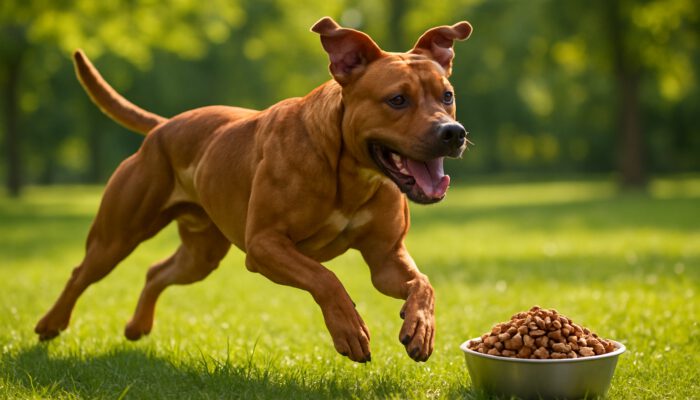
High-protein meals not only provide energy but also aid in muscle growth and recovery for active dogs, enhancing their overall performance and endurance. These meals help maintain a healthy weight and improve coat condition, though they must be complemented by regular exercise for optimal results. The benefits of a high-protein diet extend beyond muscle maintenance; they significantly bolster immune function and overall health.
When formulated correctly, high-protein meals can enhance vitality, enabling dogs to actively engage in enjoyable pursuits, whether that is running along scenic trails or competing in various events. the right protein sources can promote bone and joint health, supplying essential nutrients during periods of intense physical activity. This leads to a more vigorous, lively dog capable of enjoying a longer, higher-quality life.
What Are the Key Steps for Preparing High-Protein Meals at Home?
When crafting high-protein meals for dogs, use fresh ingredients such as chicken or fish, ensuring thorough cooking to eliminate harmful bacteria. Incorporating supplements as necessary can boost the meal’s nutritional profile, specifically addressing the needs of your active dog for optimal health and vitality. Homemade meals give pet owners precise control over ingredients, allowing customization to meet their dog’s specific dietary requirements.
It is vital to follow safe cooking practices, including thoroughly cooking meats to eradicate harmful bacteria and ensuring all vegetables are safe for canine consumption. incorporating supplements like fish oil can enhance the nutritional profile, particularly with omega-3s that support joint health. Preparing meals at home also offers an excellent opportunity to experiment with diverse recipes, ensuring dogs enjoy a varied diet that keeps them engaged and prevents boredom.
In What Ways Can High-Protein Meals Significantly Enhance the Lives of Active Dogs?
What Role Does Protein Play in Boosting Energy Levels?
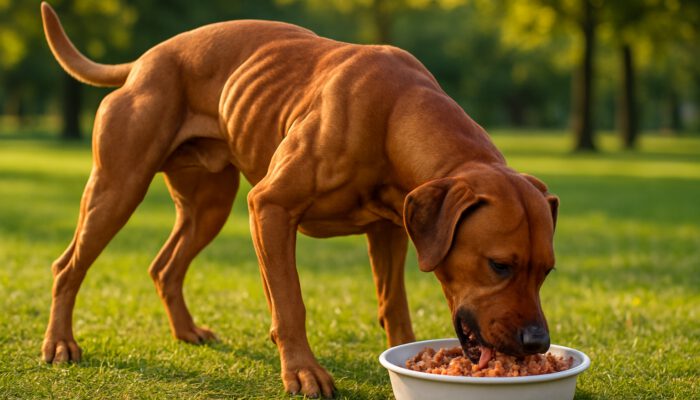
Protein is essential for increasing energy levels, as it aids muscle recovery after exercise, which is crucial for keeping active dogs energetic and enhancing their daily performance. Proper meal timing can significantly amplify the benefits of protein consumption, ensuring dogs have the energy they require when needed most. For example, feeding an active dog a high-protein meal promptly after intense activities can accelerate recovery and replenish their energy reserves.
Regularly including protein-rich meals in a dog’s diet can yield significant improvements in energy levels, stamina, and overall activity. The timing of these meals may differ based on the dog’s individual routines and activities. For instance, dogs that enjoy early morning hikes might benefit from a protein-rich breakfast, while those involved in late afternoon training sessions may require a high-protein meal as a pre-workout boost.
How Does Protein Impact Muscle Growth and Strength?
A high-protein diet supports the development of lean muscle, which is vital for active dogs involved in playful activities or training, enhancing their physical capabilities over time. A protein-rich diet enables dogs to build and maintain muscle mass critical for tasks ranging from agility courses to endurance runs.
Important benefits related to adequate protein intake for muscle health include:
- Faster muscle repair and recovery time.
- Increased strength and endurance during physical activities.
- Boosted metabolic rate, supporting effective weight management.
- Lowered risk of injury due to stronger muscles and joints.
These factors collectively enhance performance in your dog’s sporting activities and everyday adventures. It is crucial to monitor a dog’s protein intake and adjust it according to their activity levels to ensure they remain in peak physical condition.
What Risks Are Associated with Insufficient Protein Intake?
Inadequate protein intake can lead to fatigue and delayed recovery in dogs, making it essential to monitor their consumption closely to maintain optimal health. A deficiency in protein can result in muscle wasting and reduced energy levels, significantly impeding a dog’s ability to enjoy their favourite activities.
Recognising the signs of insufficient protein intake is vital for pet owners. For example, if a dog appears lethargic or takes longer to recover after exercise, it may indicate their protein consumption is lacking. Keeping a consistent diet log and making necessary adjustments will help dogs thrive. Ensuring adequate protein levels can greatly enhance a dog’s overall well-being and performance.
How Does Protein Foster Joint Health in Active Dogs?
High-protein diets provide essential amino acids that aid cartilage repair and reduce joint inflammation, which is crucial for active dogs to avoid injuries during vigorous activities. This can lead to improved mobility, decreased pain, and a longer active lifespan, significantly enhancing overall quality of life. Proteins are fundamental components of cartilage and joint tissue, making them essential for maintaining joint health.
To incorporating protein into the diet, selecting high-quality protein sources rich in glucosamine and chondroitin can further support joint health. Ingredients such as chicken feet or specific types of fish can naturally provide these compounds, ensuring that active dogs stay agile and free from joint discomfort. Regularly including these protein-rich foods in a dog’s diet can yield long-lasting positive effects on mobility and overall agility.
Expert Recommendations on High-Protein Meals for Active Dogs
Best Practices for Crafting High-Protein Meals
Implement effective strategies for creating high-protein meals, drawing from veterinary guidelines to optimise nutrition for active dogs. When formulating meals, it is crucial to consider each dog’s unique needs, including their age, weight, and activity level. Starting with high-quality protein sources is vital, and including a diverse mix of ingredients ensures comprehensive nutrition.
Incorporating whole foods such as lean meats, vegetables, and healthy fats creates balanced meals that meet the energetic demands of active dogs. For example, a meal could feature grilled chicken, brown rice, and steamed broccoli, providing a robust array of essential nutrients. Consulting with a veterinarian or a pet nutritionist can help tailor meals that address specific health concerns or dietary restrictions.
How to Identify Premium Protein Options for Dogs
Expert advice on selecting high-quality proteins that meet dietary needs ensures they are both digestible and effective for the active lifestyles of dogs. Quality is paramount when it comes to protein sources. Opting for whole meats over by-products guarantees that dogs receive higher levels of essential amino acids and nutrients.
Reading ingredient labels is crucial; proteins should be listed clearly at the beginning, with minimal additives or fillers. sourcing proteins from reputable suppliers who adhere to strict quality controls ensures safety and nutritional value. Observing dogs’ responses to different protein sources can assist owners in making informed dietary decisions.
How to Monitor Your Dog’s Dietary Response
Offer expert recommendations on assessing and adjusting meals based on a dog’s activity levels, employing strategies for fine-tuning protein quantities. Regularly evaluating a dog’s health and energy levels provides insights into the effectiveness of their current meal plan. Indicators such as increased energy, a shiny coat, and consistent weight suggest that the diet is working well.
Conversely, if a dog exhibits signs of lethargy or digestive issues, it may be necessary to adjust the protein levels or types of proteins being fed. Maintaining a food diary can be a valuable tool in this process, enabling owners to track dietary changes and responses over time. Consulting with a veterinarian can also provide additional guidance on necessary dietary adjustments for active dogs.
What Ingredients Are Optimal for High-Protein Meals?
How to Effectively Choose Lean Protein Sources?
Selecting lean proteins like turkey or beef is essential for creating meals that energise active dogs without unnecessary fat, fostering efficient energy utilisation. Lean meats offer the necessary amino acids for muscle repair while minimising the risk of weight gain. When choosing protein sources, it is crucial to consider the quality and sourcing of the meat.
For instance, grass-fed beef or free-range poultry not only provide superior nutritional profiles but also ensure that dogs receive higher quality fats and essential nutrients. incorporating alternative protein sources such as eggs or low-fat fish can diversify a dog’s diet while maintaining high protein levels.
How to Enhance Meals with Vegetables for Nutritional Balance
Vegetables complement proteins by supplying valuable vitamins, but prioritising low-starch options is crucial for keeping meals high-protein and suitable for active dogs. Vegetables serve as excellent sources of dietary fibre, vitamins, and minerals, improving overall health and aiding digestion. Some great choices include spinach, carrots, and green beans, which can be easily integrated into meals.
When adding vegetables, it is important to choose those lower in starch, as high-starch options can lead to unnecessary weight gain. Cooking vegetables can enhance digestibility, but ensure they are prepared safely for canine consumption. A balanced meal that combines the right mix of protein and vegetables can lead to improved energy levels and overall vitality for active dogs.
Are Supplements Necessary for High-Protein Meals?
In certain situations, supplements can augment protein meals if natural sources are lacking, ensuring active dogs receive complete nutrition for their routines. While many high-quality protein sources can provide the necessary nutrients, there may be circumstances where supplementation is beneficial. For example, fish oil supplements can help ensure sufficient omega-3 fatty acids, which support joint health and reduce inflammation.
Multivitamins tailored for active dogs can provide essential micronutrients that may be deficient in homemade diets. Consulting with a veterinarian can help determine if supplementation is necessary and which specific products would best support the dietary needs of active dogs.
Research-Backed Benefits of High-Protein Meals for Active Dogs
How Does Protein Impact Overall Health?
Research indicates that adequate protein intake bolsters immune function and coat health in active dogs, with studies showing long-term benefits. Sufficient protein levels support the formation of antibodies, enhancing the immune system’s ability to fight infections and other health challenges.
Proteins rich in essential amino acids contribute to maintaining a healthy coat, reducing shedding, and promoting skin health. Evidence-backed outcomes include:
- Enhanced immune responses in highly active dogs.
- Healthier skin and improved coat conditions.
- Accelerated muscle recovery and growth.
- Better overall vitality and longevity.
These findings underscore the importance of maintaining appropriate protein levels in the diets of active dogs, ensuring they remain healthy and vibrant.
What Are the Effects on Joint and Bone Strength?
Take actionable steps supported by research, such as incorporating proteins that promote joint integrity for active dogs during high-impact activities. Selecting protein sources containing natural nutrients beneficial for joint health can significantly enhance the well-being of active dogs. Ingredients such as chicken cartilage or fish can provide essential compounds like glucosamine, which is crucial for maintaining joint integrity.
In practice, incorporating these protein sources into a dog’s diet can help mitigate the risk of joint injuries and enhance overall mobility. a diet rich in calcium and other minerals is vital for bone health, particularly for dogs engaging in high-impact activities. Regular veterinary check-ups can ensure that dietary strategies align with a dog’s activity level and health needs.
Long-Term Dietary Considerations for Active Dogs
Expert analysis highlights the importance of sustaining high-protein diets while avoiding issues like weight gain, based on scientific findings for active dogs. While high-protein diets offer numerous benefits, monitoring caloric intake is crucial to prevent obesity. Maintaining an appropriate balance of protein, carbohydrates, and fats ensures dogs remain fit while receiving the necessary nutrients for their activity levels.
Regular exercise is equally important as diet in maintaining a healthy weight for active dogs. Implementing a structured training program can assist owners in effectively managing their dog’s weight while promoting muscle growth and stamina. Consulting with a nutritionist or veterinarian can provide tailored guidance on sustaining a high-protein diet without compromising overall health.
How Does Protein Affect Energy Metabolism?
Studies reveal that high-protein diets enhance energy metabolism in active dogs, resulting in improved endurance and reduced fatigue during physical activities. Research supports the notion of improved mitochondrial function and sustainable energy levels, ensuring optimal performance during daily exercises. The body’s ability to utilise protein effectively can lead to enhanced athletic performance, allowing dogs to partake in their favourite activities for longer periods without fatigue.
Incorporating high-protein meals before and after exercise can bolster energy metabolism, supplying the necessary nutrients for muscle recovery and growth. Maintaining a consistent feeding schedule aligned with activity levels ensures that active dogs have the energy needed to engage fully in their daily routines.
How to Prevent Nutritional Deficiencies in High-Activity Diets
Research-backed evidence suggests that high-protein meals help avert common nutritional deficiencies in active dogs, ensuring balanced nutrient intake. Key studies demonstrate that proteins supply essential amino acids, supporting overall vitality and preventing issues like anemia or weakened immunity in high-energy lifestyles.
By prioritising a varied diet rich in high-quality protein sources and monitoring for nutritional gaps, pet owners can ensure their active dogs remain vibrant and healthy. Regular veterinary check-ups can help identify potential deficiencies early, allowing for timely dietary adjustments. This proactive approach to nutrition is crucial for promoting long-term health and preventing common issues associated with high-activity lifestyles.
How to Prepare High-Protein Meals for Active Dogs Effectively?
What Essential Tools Are Required for Efficient Meal Preparation?
Basic kitchen tools facilitate the creation of high-protein meals, making it easy for pet owners to prepare fresh options tailored to their active dogs’ needs. Essential tools include a sharp knife, cutting board, pots for cooking, and storage containers for meal prep. These items streamline the safe and efficient preparation of nutritious meals.
Using a food processor can also be beneficial for chopping vegetables or blending ingredients, ensuring that meals are thoroughly mixed for optimal nutrition. a reliable kitchen scale can assist in accurately measuring portions, enabling pet owners to customise serving sizes based on their dog’s specific dietary requirements.
Simple and Nutritious Recipes for Daily Use
Quick and easy recipes using common ingredients ensure that active dogs receive the high-protein nutrition they require without complicating meal routines. For instance, a straightforward recipe might include grilled chicken, quinoa, and steamed green beans, providing a balanced meal rich in protein and vitamins. Another option could be a blend of ground turkey, sweet potatoes, and peas, creating a hearty meal packed with essential nutrients.
These recipes can be easily scaled up for meal prepping, ensuring that busy pet owners have nutritious meals ready to serve throughout the week. Experimenting with different ingredients can also keep meals exciting for dogs, preventing dietary boredom while promoting good health.
What Are the Best Practices for Storing and Serving Prepared Meals Safely?
Proper storage techniques are vital for maintaining meal freshness, ensuring that active dogs receive maximum benefit from their high-protein diets each day. After preparing meals, allow them to cool properly before storing in airtight containers to retain freshness. Refrigerating or freezing portions can help preserve food quality, making it convenient to serve when needed.
When serving meals, ensure that the food is adequately thawed and heated to a safe temperature to avoid any digestive issues. Regularly rotating stored meals can help maintain freshness, and keeping track of expiration dates is essential for ensuring that active dogs receive the best possible nutrition.
Maintaining a Balanced Diet with High-Protein Meals
How to Introduce Variety into Daily Meals for Optimal Nutrition?
To keep diets engaging and balanced, it is essential to vary protein sources, thereby supporting the ongoing needs of active dogs for optimal health. Regularly rotating between different protein sources can enhance nutrient intake and prevent dietary monotony. For example, alternating between chicken, beef, fish, and plant-based proteins ensures that dogs receive a diverse array of amino acids and nutrients.
Incorporating a variety of vegetables and grains can further enrich the dietary profile. This approach not only keeps meals interesting for dogs but also aids in preventing potential nutritional deficiencies, thus supporting long-term health and vitality.
What Symptoms Indicate a Dietary Imbalance to Monitor?
Be observant of symptoms such as lethargy that may indicate the need for protein adjustments, ensuring active dogs thrive through proper monitoring. Common signs of dietary imbalances can include noticeable changes in energy levels, coat quality, and overall vitality.
For instance, if a dog’s coat appears dull or they seem less energetic than usual, it may signify insufficient protein intake or an imbalance in their diet. Closely monitoring these indicators and adjusting meals accordingly is vital for maintaining optimal health and performance in active dogs.
What Is the Best Method for Transitioning to High-Protein Diets?
Gradually transitioning to high-protein meals helps active dogs adapt smoothly, avoiding digestive upset while enhancing their energy levels. The transition should occur over a period of 7-10 days, slowly increasing the proportion of high-protein foods while decreasing components of the previous diet. This method minimises potential gastrointestinal discomfort and allows the dog to adjust effectively to the new nutrient profile.
During the transition, pet owners should closely observe their dog’s responses and adjust the pace as necessary. If any signs of digestive upset arise, slowing the transition can facilitate a smoother adjustment process.
Common Questions About High-Protein Meals for Dogs
What Are the Best Protein Sources for Active Dogs?
Lean meats such as chicken, turkey, fish, and eggs are excellent protein sources for active dogs, providing essential amino acids necessary for muscle repair and sustained energy.
How Much Protein Should My Active Dog Consume Daily?
Active dogs typically require between 30-50 grams of protein per meal, depending on their size, age, and activity level, to adequately support their energy needs and muscle maintenance.
Is It Possible to Prepare High-Protein Meals at Home?
Absolutely, preparing high-protein meals at home is encouraged. Using fresh, quality ingredients and adhering to safe cooking practices ensures that meals are both nutritious and safe for your dog.
Are There Risks Associated with High-Protein Diets?
While high-protein diets can be beneficial, overfeeding protein without balancing other nutrients may lead to weight gain or kidney strain, so monitoring intake carefully is vital.
How Can I Determine If My Dog Is Receiving Enough Protein?
Indicators that your dog is receiving sufficient protein include a shiny coat, good muscle tone, high energy levels, and quick recovery after exercise. Regular veterinary check-ups can also provide insights into their nutritional health.
What Vegetables Can Be Included in My Dog’s High-Protein Meals?
Vegetables like green beans, spinach, carrots, and broccoli are excellent choices, providing vitamins and fibre that complement the protein sources in your dog’s diet.
What Is the Best Way to Store Prepared Meals for My Dog?
Prepared meals should be stored in airtight containers in the refrigerator for up to four days or frozen for longer storage to maintain freshness and nutritional quality.
Which Supplements Should I Consider for My Active Dog?
Supplements such as fish oil for omega-3 fatty acids and multivitamins specifically formulated for dogs can be beneficial in ensuring complete nutrition, especially in high-activity lifestyles.
How Should I Transition My Dog to a High-Protein Diet?
Gradually introduce high-protein meals over 7-10 days, slowly increasing the proportion of new food while monitoring for any digestive issues to ensure a smooth transition.
Can High-Protein Diets Contribute to Joint Health?
Yes, high-protein diets containing essential amino acids can facilitate cartilage repair and reduce inflammation, thus supporting joint health, particularly in active dogs.
Join Us on Facebook for More Tips!
The Article High-Protein Meals for Active Dogs: Boost Energy and Health First Published On https://elgatoencasa.com
The Article High-Protein Meals Boost Energy and Health for Active Dogs Was Found On https://limitsofstrategy.com