Comprehensive Overview of Concrete Drainage Services Available
Key Features to Understand About Concrete Drainage Solutions
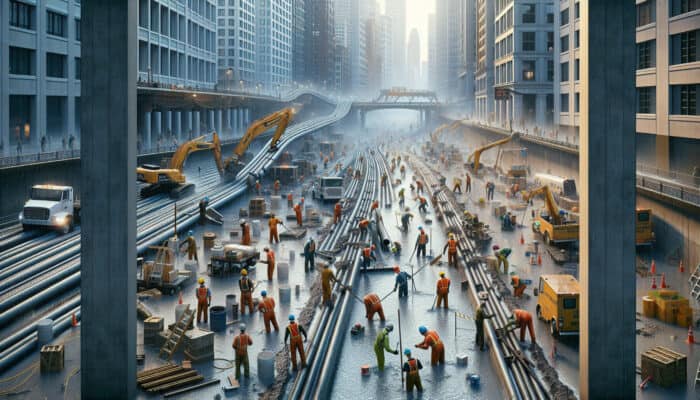
The range of concrete drainage services offered in New Westminster encompasses a diverse set of processes aimed at installing, maintaining, and repairing concrete drainage systems. These services are specifically designed for optimal water flow management and effective flood prevention. In urban settings like New Westminster, where heavy rainfall poses significant water management challenges, these systems play a crucial role. The key components of these services include:
- Site Assessment: Conducting a thorough evaluation of the area to ascertain specific drainage needs and identify any potential challenges.
- System Design: Crafting a bespoke drainage solution that takes into account environmental factors and conditions unique to the site.
- Installation: Carrying out the construction of drainage systems with meticulous detail and compliance with best practices.
- Maintenance: Performing regular inspections and servicing to ensure the system operates at its best.
- Repairs: Quickly addressing issues such as cracks or blockages to maintain system integrity and performance.
- Upgrades: Enhancing existing systems to align with evolving requirements and current building standards.
By offering these extensive services, we not only reduce the risk of flooding but also shield properties and infrastructure from water damage, ensuring that the city remains safe and functional, even during severe weather events.
The Critical Importance of Efficient Drainage in New Westminster
Efficient drainage systems are indispensable in New Westminster, given its unique geographical features and weather patterns. The city frequently experiences heavy rainfall, creating a pressing need for robust drainage solutions that protect both residential and commercial properties. The necessity of effective drainage in New Westminster is underscored by several key reasons:
- Flood Prevention: Well-designed drainage systems significantly lower the chances of flooding during heavy rain.
- Property Protection: Reliable drainage systems safeguard properties against water damage, maintaining their long-term value and structural integrity.
- Infrastructure Maintenance: Properly managed drainage systems contribute to the upkeep of roads and utilities, reducing the need for expensive repairs.
- Environmental Health: Effective water management is vital for protecting local ecosystems and waterways from contamination and pollution.
These factors highlight the urgent demand for effective drainage solutions that can adapt to the climatic challenges faced by New Westminster, ensuring public safety and environmental sustainability.
The Advantages of Concrete in Effective Drainage Solutions
Concrete is often the material of choice for numerous drainage systems due to its inherent properties and benefits that promote effective drainage. Some of the primary advantages of utilising concrete in drainage systems include:
- Durability: Concrete is designed to endure harsh weather conditions and heavy loads, ensuring a long-lasting solution.
- Low Maintenance: Unlike many other materials that may require frequent repairs, concrete systems demand minimal upkeep, saving time and resources.
- Versatility: Concrete can be shaped and moulded into various designs, enabling tailored drainage solutions that meet specific requirements.
- Cost-Effectiveness: Over time, the durability and low maintenance needs of concrete make it a financially astute choice.
By employing concrete for drainage, we not only address immediate water management needs but also align with the long-term infrastructure objectives of New Westminster, fostering sustainability and resilience in urban development.
In-Depth Analysis of Concrete Drainage Services in New Westminster
Unique Drainage Challenges Faced in New Westminster
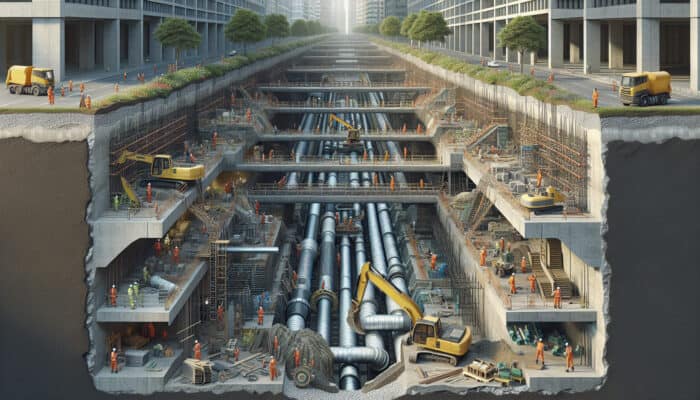
The drainage challenges prevalent in New Westminster are shaped by its distinctive geographical features, including its riverfront location and hilly terrain. The region experiences considerable rainfall that necessitates specialized drainage solutions to manage water effectively. Some of the primary challenges encountered in New Westminster include:
- High Water Table: Being close to the Fraser River can elevate the water table, complicating drainage efforts and necessitating innovative approaches.
- Urban Density: The compact nature of the city requires efficient drainage systems capable of managing runoff from impervious surfaces.
- Soil Composition: Variations in soil types and their absorption rates necessitate tailored solutions that account for local conditions.
- Old Infrastructure: Many existing drainage systems are outdated and require modern upgrades to meet current standards and demands.
Recognising these unique challenges is essential for designing drainage systems that effectively cater to the specific water management needs of the city.
Expert Approaches to Designing Effective Drainage Systems
The design of effective drainage systems involves a comprehensive assessment of various environmental factors, including topography, soil composition, and anticipated water flow patterns. Professionals in New Westminster adhere to the following actionable steps to ensure the efficiency and sustainability of drainage systems:
- Conduct a Detailed Site Assessment: Collect crucial data on the land’s slope, vegetation, and current drainage conditions to inform the design process.
- Analyze Soil Type: Evaluate the soil’s permeability to predict water absorption rates and determine the necessary drainage requirements.
- Design for Peak Flow: Calculate potential peak flow rates during intense rainfall to ensure systems can handle extreme weather events.
- Incorporate Sustainable Practices: Integrate green infrastructure solutions that enhance overall water management and environmental benefits.
By following these steps, experts can design drainage systems that not only fulfil immediate water management needs but also adapt to future environmental changes, ensuring resilience against flooding.
Innovative Technologies Revolutionising Drainage Solutions

The field of drainage services is constantly evolving, driven by innovations aimed at improving efficiency and sustainability. Recent advancements include the use of permeable concrete, which allows water to seep through its surface, and smart drainage systems equipped with sensors to monitor water levels in real-time. In New Westminster, these innovations are poised to create a significant impact:
- Permeable Concrete: This innovative material promotes groundwater recharge while reducing surface runoff, contributing to improved water management.
- Smart Drainage Systems: Equipped with advanced sensors, these systems provide real-time data on water flow, enabling proactive management and maintenance.
- Adaptive Design Techniques: Innovations facilitate the development of systems that can adjust to changing water levels and environmental conditions.
- Green Infrastructure Integration: Utilizing native vegetation and bioswales enhances ecological benefits while efficiently managing stormwater.
The adoption of these technologies not only enhances the effectiveness of drainage systems but also supports environmental sustainability within the urban landscape of New Westminster.
Effective Strategies for Selecting the Right Concrete Drainage Service Provider
Critical Qualifications to Look for in a Service Provider
Choosing a reliable concrete drainage service provider is crucial for ensuring quality workmanship and dependable results. Key qualifications to consider include:
- Certifications: Confirm that the provider possesses relevant civil engineering certifications and adheres to industry standards.
- Experience: Seek a proven track record of successful drainage projects that align with your specific requirements and conditions.
- Licensing: Ensure the provider is duly licensed to operate within New Westminster, complying with local regulations.
- Insurance: Verify that the provider has adequate insurance coverage to safeguard against potential liabilities.
By concentrating on these essential qualifications, homeowners and businesses can select a provider equipped with the expertise to fulfil their specific drainage needs.
Evaluating the Quality of Drainage Services
Assessing the quality of concrete drainage services involves reviewing various factors, including previous projects, customer testimonials, and adherence to industry standards. Key indicators of high-quality drainage services include:
- Portfolio of Past Work: Examining completed projects can offer insights into the provider’s capabilities and expertise in the field.
- Customer Reviews: Positive feedback from former clients reflects the reliability, professionalism, and quality of service provided.
- Industry Recognition: Awards or memberships in professional organisations signal a commitment to excellence and continuous improvement in their services.
- Response Times: Prompt communication and responsiveness demonstrate the provider’s dedication to client satisfaction and effective project management.
By thoroughly evaluating these factors, clients can make informed decisions about which service providers are best prepared to meet their drainage needs effectively.
Understanding Cost Considerations for Concrete Drainage Services
The costs associated with concrete drainage services can vary significantly based on the complexity of the project, materials used, and provider fees. To ensure value for money, clients should consider the following steps:
- Request Detailed Quotes: Obtain comprehensive quotes that clearly outline labour costs, materials, and any potential contingencies or additional charges.
- Compare Multiple Estimates: Evaluate quotes from various providers to determine a fair market price and the value of services offered.
- Consider Long-Term Value: Assess the durability and low maintenance costs of proposed solutions to understand their overall financial impact.
- Discuss Payment Plans: Inquire about flexible payment options that help manage costs effectively and accommodate budget constraints.
Understanding these cost factors enables clients to make informed financial decisions, ensuring they choose effective drainage solutions that align with their needs.
Assessing a Provider’s Reliability
Reliability is a critical factor in building a successful relationship with any service provider. To evaluate a provider’s reliability in concrete drainage services, consider the following criteria:
- Response Time: Assess how quickly the provider responds to inquiries or urgent situations, indicating their commitment to client service.
- Adherence to Timelines: Monitor their ability to complete projects within agreed timeframes, reflecting their organisational skills and professionalism.
- Client References: Check references from past clients to gauge the provider’s consistency and dependability in delivering quality services.
- Communication Skills: Effective communication illustrates a provider’s commitment to transparency and collaboration throughout the project.
By examining these factors, clients can select a provider with a proven track record of reliability and professionalism in their services.
Essential Questions to Ask a Potential Service Provider
Asking the right questions can significantly influence the quality of drainage services you receive. Important inquiries to consider include:
- What is your experience with similar drainage projects in New Westminster, and can you provide examples?
- What warranty do you offer on your work, and what does it cover?
- How do you manage unexpected issues that may arise during the project?
- Can you provide references from previous clients who can speak to your work quality?
These questions aid in clarifying the provider’s capabilities while ensuring they understand and can meet your specific drainage needs and expectations.
Step-by-Step Guide to Installing Concrete Drainage Systems
Initial Steps in the Installation Process
The process of installing concrete drainage systems begins with several crucial preliminary steps that lay the groundwork for a successful project. These initial steps include:
- Site Assessment: Conducting a comprehensive evaluation of the area to identify existing drainage issues and determine specific system requirements.
- Planning and Design: Developing a detailed plan that addresses site-specific challenges and drainage needs, ensuring all aspects are considered.
- Permitting: Securing necessary permits and approvals from local authorities to ensure compliance with regulations and industry standards.
- Stakeholder Communication: Engaging with property owners and stakeholders to discuss plans and align expectations, addressing any concerns or questions.
By focusing on these preliminary steps, the installation process can commence with clarity and direction, establishing a solid foundation for effective water management solutions.
Ensuring Accuracy in Concrete Drainage System Installation
The installation of a concrete drainage system involves a series of precise, methodical steps to guarantee functionality and durability. Key stages in the installation process include:
- Excavation: Carefully digging trenches or basins in accordance with design specifications to prepare the site for installation.
- Concrete Preparation: Properly mixing and pouring the concrete, ensuring the right consistency to achieve optimal strength and durability.
- Placement and Alignment: Accurately positioning drainage components and checking their alignment to ensure they follow the intended slope for efficient water flow.
- Testing: Conducting initial tests to confirm that the system functions correctly before backfilling the trenches or basins.
Precision during these installation phases is critical since even minor errors can result in significant drainage issues later, leading to expensive repairs and maintenance.
Finalisation and Testing Steps After Installation
Upon completing the installation of a concrete drainage system, finalisation and testing are vital to verify that everything operates as intended. This process includes several key steps:
- Inspection for Leaks: Thoroughly checking the entire system for any signs of leaks or deficiencies that could compromise efficiency and functionality.
- Adjustment: Ensuring proper alignment, slope, and water flow throughout the system, making any necessary adjustments to optimise performance.
- Site Restoration: Restoring the installation area to its original condition, ensuring minimal disruption to the surrounding environment and landscaping.
- Final Testing: Conducting comprehensive tests to verify system performance under expected loads and conditions, confirming reliability and effectiveness.
These final steps are essential in ensuring that the drainage system meets industry standards and client expectations, providing a dependable water management solution.
Maintenance and Repair Best Practices for Concrete Drainage Systems
Essential Regular Maintenance Tasks
Routine maintenance of concrete drainage systems is crucial for ensuring their longevity and operational effectiveness. Regular maintenance tasks encompass:
- Cleaning: Removing debris, leaves, and sediment that may obstruct water flow and compromise system performance.
- Inspection: Regularly checking for cracks, blockages, or signs of wear that could indicate underlying issues needing attention.
- Water Flow Monitoring: Observing water flow patterns to identify irregularities or potential problems that may arise.
- Documentation: Maintaining records of maintenance activities to track system performance over time and identify recurring issues or necessary repairs.
By committing to these routine maintenance tasks, property owners can considerably extend the life of their drainage systems while ensuring they operate efficiently and effectively.
Identifying and Resolving Common Issues
Promptly recognising and addressing common drainage issues can prevent significant problems from developing in the future. Common issues to be aware of include:
- Cracks: Small cracks may appear due to settling or freeze-thaw cycles; they should be monitored and repaired promptly to prevent escalation.
- Blockages: Accumulation of debris can obstruct flow, necessitating regular cleaning efforts to maintain optimal functionality.
- Erosion: Soil erosion around drainage systems can compromise stability; immediate action is required to address and prevent further damage.
- Pooling Water: Standing water may indicate inadequate drainage; further investigation is essential to identify and rectify the issue before it exacerbates.
Recognising these signs early allows for timely interventions that preserve system integrity and prevent costly repairs down the line.
When to Seek Professional Repair Services
While routine maintenance can address many issues, certain situations require the expertise of professionals. Indicators that professional repair is necessary include:
- Significant Structural Damage: Large cracks or shifts in the drainage system necessitate expert assessment and repair to ensure long-term functionality and prevent further deterioration.
- Frequent Blockages: Ongoing drainage issues that routine maintenance cannot resolve may indicate deeper underlying problems needing professional intervention.
- System Failure: A complete failure of the drainage system during heavy rainfall demands immediate professional attention to avoid extensive property damage.
- Complex Repairs: Any repairs involving significant excavation or structural modifications should be handled by experienced professionals to ensure safety and effectiveness.
Understanding when to enlist experts ensures that drainage systems remain effective and safe, preventing the consequences of neglect and costly repairs.
Preventive Measures to Avert Future Drainage Problems
Preventing future drainage issues is essential for maintaining efficient and functional water management systems. Effective preventive measures include:
- Regular Inspections: Schedule professional inspections to catch potential issues before they escalate into significant problems that require extensive repairs.
- Timely Repairs: Address minor issues promptly to prevent them from developing into major repairs that could disrupt functionality and lead to costly interventions.
- Proper Design: Ensure that drainage systems are designed to accommodate local conditions and anticipated water flow effectively, considering potential changes in rainfall patterns.
- Community Engagement: Collaborate with local authorities to address broader drainage issues that may impact your property and the surrounding area.
Implementing these proactive strategies helps minimise future drainage challenges and extends the lifespan of concrete drainage systems, ensuring long-term effectiveness and reliability.
Environmental Implications of Concrete Drainage Systems
The Influence of Concrete Drainage Systems on Environmental Conditions
Concrete drainage systems can significantly impact the environment, particularly in urban areas like New Westminster. They can alter natural water flow patterns, potentially leading to erosion and habitat disruption. Key environmental considerations include:
- Water Flow Alteration: Concrete can change the natural pathways of water, impacting local ecosystems and wildlife habitats.
- Erosion Risks: Poorly designed systems may exacerbate soil erosion in adjacent areas, threatening landscapes and local biodiversity.
- Pollution Runoff: If not managed properly, drainage systems can contribute to water pollution, affecting local watersheds and water quality.
- Heat Island Effect: Concrete surfaces can absorb and retain heat, affecting local microclimates and contributing to elevated temperatures.
By acknowledging these impacts, designers can create drainage systems that balance functionality with environmental stewardship, promoting ecological health and sustainability.
Implementing Sustainable Drainage Practices
Sustainable drainage practices focus on minimising environmental impacts while effectively managing stormwater. These practices may include:
- Permeable Surfaces: Utilizing permeable concrete allows water to infiltrate, reducing runoff and facilitating groundwater recharge.
- Green Infrastructure: Integrating vegetation and natural landscapes into drainage design helps manage water while enhancing biodiversity and ecological health.
- Retention Basins: Designated areas for water retention can slow runoff and provide habitats for wildlife, promoting ecological balance.
- Regular Maintenance: Ensuring drainage systems are free from debris and functioning optimally helps maintain their efficiency and environmental benefits.
By adopting these sustainable practices, we can enhance the effectiveness of drainage systems while promoting ecological health in New Westminster.
Strategies to Reduce Environmental Impact
Minimising the environmental impact of concrete drainage systems requires careful planning and execution. Key strategies include:
- Eco-Friendly Materials: Utilise sustainable materials that minimise environmental footprints during construction and installation.
- Integrated Design: Plan drainage systems in a manner that harmonises with natural land features and local ecosystems, preserving ecological integrity.
- Regular Monitoring: Conduct routine assessments to efficiently identify and mitigate environmental impacts.
- Education: Engage with the community to raise awareness about the importance of sustainable drainage practices and their benefits.
These strategies not only help protect the environment but also create resilient drainage systems that can adapt to changing conditions, promoting long-term sustainability and ecological health.
Case Studies of Concrete Drainage Projects in New Westminster
Notable Successful Drainage Projects in New Westminster
New Westminster has undertaken several successful drainage projects that effectively manage water flow and mitigate flooding. Notable examples include:
- The Quayside Drainage Improvement Project: This initiative upgraded existing drainage infrastructure, significantly reducing flood risks along the riverfront and enhancing community safety.
- Royal City Centre Drainage Enhancements: Targeted improvements in this commercial area successfully mitigated flooding during heavy rain events, benefiting local businesses.
- Brow of the Hill Drainage Solutions: This project integrated innovative design elements to address specific topographical challenges, improving overall drainage efficiency in the area.
- Columbia Street Improvements: Upgrades to drainage along this key thoroughfare enhanced both functionality and aesthetics, positively impacting the community’s quality of life.
These projects serve as exemplary models for future drainage initiatives, highlighting the importance of effective water management in urban environments.
Community Benefits from Successful Drainage Projects
The successful execution of drainage projects in New Westminster has provided numerous advantages for the local community, including:
- Flood Risk Reduction: These initiatives have significantly lowered the likelihood of flooding, thereby protecting homes and businesses from potential water damage.
- Infrastructure Improvement: Enhanced drainage systems improve road conditions and reduce maintenance costs, benefiting the entire community.
- Enhanced Quality of Life: Residents enjoy increased safety and confidence during heavy rainfall events, fostering a sense of community resilience and well-being.
- Environmental Preservation: Properly managed drainage systems help protect local waterways and ecosystems, contributing to overall environmental health.
These benefits underscore the vital role of effective drainage systems in promoting community resilience, safety, and environmental sustainability.
Valuable Lessons from These Case Studies
Examining successful drainage projects in New Westminster reveals several important lessons for future initiatives:
- Thorough Planning is Essential: Comprehensive assessments ensure projects effectively address specific local challenges and community needs.
- Community Engagement is Key: Involving stakeholders in the process fosters support and increases the likelihood of project success and sustainability.
- Innovation Leads to Better Solutions: Embracing new technologies and materials can enhance system resilience and operational efficiency for improved water management.
- Monitoring and Maintenance are Crucial: Ongoing oversight is vital to ensure systems function optimally and adapt to changing environmental conditions.
These insights provide invaluable guidance for future drainage projects, emphasising the importance of strategic planning and community collaboration to achieve successful outcomes.
Research Insights on the Benefits of Concrete Drainage Services in New Westminster
Proven Benefits of Concrete Drainage Systems
Research indicates that concrete drainage systems offer distinct advantages in managing water flow and preventing flooding. Key benefits include:
- Effective Water Management: Concrete systems excel at directing water away from vulnerable areas, significantly reducing flood risks and protecting infrastructure.
- Cost-Effectiveness: Although initial costs may be higher, concrete systems yield long-term savings through durability and low maintenance requirements.
- Enhanced Property Value: Properties equipped with effective drainage solutions tend to have higher market values due to reduced flood risks and water damage prevention.
- Environmental Sustainability: Concrete drainage systems can be designed to incorporate sustainable practices, positively impacting local ecosystems and water quality.
These research-backed insights affirm the value of investing in concrete drainage services for long-term benefits within New Westminster.
Impact of Effective Drainage Systems on Property Value
Effective drainage systems significantly contribute to increased property value in several ways:
- Reduced Flood Risk: Properties equipped with reliable drainage solutions are less prone to water damage, thereby protecting investments and property values.
- Improved Curb Appeal: Well-maintained drainage systems enhance property appearance, making them more appealing to potential buyers and investors.
- Lower Insurance Costs: Insurance companies may offer reduced premiums for properties with proven drainage systems, reflecting lower risk factors for water-related damage.
- Increased Market Demand: Properties with effective drainage solutions often see higher demand, potentially leading to price appreciation and investment returns.
These factors highlight how investing in concrete drainage systems can yield significant financial returns for property owners in New Westminster.
Long-Term Advantages of Concrete Drainage Systems
The long-term benefits of concrete drainage systems are substantial and encompass:
- Durability: Concrete systems are built to withstand heavy loads and harsh conditions, ensuring a long lifespan and reliability.
- Low Maintenance Costs: Once installed, concrete systems require minimal upkeep, saving property owners money over time and reducing long-term expenses.
- Adaptability: Concrete drainage systems can be redesigned and upgraded to meet changing environmental conditions and community needs effectively.
- Reliability: Proven performance under varying weather conditions ensures consistent water management, preventing flooding and associated damages.
These long-term benefits make concrete drainage systems a wise investment for residents of New Westminster, helping protect against future flooding events and ensuring community resilience.
Environmental Contributions of Concrete Drainage Systems
Concrete drainage systems positively impact the environment in several ways:
- Reduced Erosion: Effective drainage prevents soil erosion, protecting local landscapes and ecosystems from degradation and loss.
- Pollution Control: Properly designed systems can mitigate runoff pollution, improving water quality in local waterways and protecting aquatic life.
- Habitat Preservation: Sustainable drainage practices can create habitats for wildlife, promoting biodiversity and ecological balance within the area.
- Effective Water Management: Concrete systems support sustainable water management practices, ensuring ecological balance and health in urban settings.
By implementing responsible concrete drainage solutions, New Westminster can enhance environmental health, effectively manage stormwater, and contribute to community resilience.
Concrete Drainage Systems in Urban Planning
Concrete drainage systems are integral to urban planning in New Westminster, as they facilitate effective water management while supporting infrastructure development. Their importance encompasses:
- Safety Assurance: Effective drainage systems mitigate flooding risks, ensuring public safety during heavy rain events and protecting infrastructure.
- Infrastructure Support: Proper drainage enhances road safety and extends the lifespan of urban infrastructure, benefiting the entire community.
- Land Use Optimization: Thoughtful drainage planning enables more efficient land use, promoting sustainable development and community growth.
- Environmental Integration: Urban planning can incorporate green spaces through effective drainage management, enhancing aesthetics and livability.
These roles underscore the critical function of concrete drainage systems within the broader context of urban planning efforts in New Westminster.
Emerging Trends in Concrete Drainage Services
Innovations Shaping the Future of Drainage Solutions
The future of concrete drainage services is poised to be shaped by several exciting innovations that aim to enhance efficiency and sustainability. Emerging trends include:
- Advanced Materials: Development of new concrete mixtures that optimize strength, durability, and permeability, leading to enhanced performance in drainage.
- Smart Technologies: Integration of sensors and IoT devices to monitor drainage performance in real-time, enabling proactive management and maintenance.
- Modular Systems: Prefabricated drainage components that facilitate quicker and more efficient installations, reducing project timelines and labour costs.
- Green Infrastructure Solutions: Increasing emphasis on integrating natural elements into drainage designs to promote ecological benefits and resilience.
These innovations will not only improve the performance of drainage systems but also align them more closely with sustainable urban development goals, fostering a healthier environment for all.
Climate Change and Future Drainage Needs
Climate change is expected to significantly affect drainage needs in New Westminster, as evolving weather patterns will demand more robust and adaptable systems. Key considerations include:
- Increased Rainfall: Anticipated heavier rainfall will require drainage systems capable of handling larger volumes of water effectively.
- Frequent Flooding Events: More regular flooding demands proactive planning and enhanced system capacities to mitigate risks and protect infrastructure.
- Temperature Variability: Changes in temperature may affect soil drainage characteristics, necessitating adjustments to existing systems to maintain effectiveness.
- Long-Term Resilience: Future drainage solutions must be designed with flexibility and adaptability in mind to accommodate evolving climate conditions.
By acknowledging these factors, urban planners and drainage professionals can better prepare for the challenges posed by climate change, ensuring effective water management in the future.
The Importance of Community Engagement in Drainage Solutions
Frequently Asked Questions about Concrete Drainage Services
What is the definition of concrete drainage?
Concrete drainage systems are designed to effectively manage water flow, preventing flooding and protecting infrastructure from water damage.
Why is effective drainage crucial in New Westminster?
Effective drainage is essential in New Westminster to manage heavy rainfall, safeguard properties from water damage, and maintain the integrity of urban infrastructure.
What advantages do concrete drainage systems provide?
Concrete drainage systems are known for their durability, low maintenance requirements, cost-effectiveness, and versatility, making them ideal for efficient water management solutions.
How should I select a drainage service provider?
Consider qualifications such as relevant certifications, experience, and insurance coverage, and evaluate past project successes and customer reviews to identify a reputable provider.
What maintenance tasks are essential for concrete drainage systems?
Routine maintenance involves cleaning debris, inspecting for cracks, monitoring water flow, and documenting maintenance activities to ensure optimal system performance.
When should I seek professional repair services?
Professional repair is necessary for significant structural damage, persistent issues that routine maintenance cannot resolve, or complete system failures during heavy rainfall.
How do concrete drainage systems influence the environment?
Concrete drainage can alter natural water flow and contribute to erosion; however, with proper design, it can also yield positive outcomes for local ecosystems and water quality.
What are some sustainable drainage practices?
Sustainable practices include using permeable surfaces, integrating green infrastructure, and implementing retention basins to manage stormwater responsibly while enhancing ecological health.
What emerging trends are shaping concrete drainage services?
Emerging trends encompass advanced materials, smart technologies, modular systems, and the integration of green infrastructure into drainage designs to promote sustainability.
How might climate change impact drainage needs in the future?
Climate change may lead to increased rainfall and more frequent flooding, necessitating the development of more robust, adaptable drainage systems to manage these changing conditions effectively. Join us on Facebook!
Presented By: Concrete Drainage in New Westminster
The Article: Concrete Drainage Services in New Westminster: Expert Solutions First Published On: https://pacificbluemechanical.ca/
The Article Concrete Drainage Services: Expert Solutions in New Westminster Was Found On https://limitsofstrategy.com
References:
Concrete Drainage Services: Expert Solutions in New Westminster