Your Comprehensive Guide to Mastering Perimeter Drainage Systems
What Key Features Characterise Effective Perimeter Drainage Systems?

Perimeter drainage systems play a vital role in protecting a building’s foundation by effectively controlling the flow of water around the structure. In areas like Port Coquitlam, known for its significant rainfall and diverse soil types, these systems are essential for averting water accumulation that can lead to serious structural damage. The fundamental components that constitute perimeter drainage systems include:
- Drainage pipes
- Gravel or rock fill
- Filter fabric
- Catch basins
- Sump pumps
- Inspection ports
- Waterproof barriers
- Drainage channels
These elements work in concert to divert water away from the building’s foundation, safeguarding its structural integrity. Proper installation and regular maintenance of these systems are crucial, as they significantly reduce the chances of flooding and the expensive repairs that accompany water-related damage.
How Do Perimeter Drainage Systems Work to Protect Your Home?
Perimeter drainage systems operate by capturing water that accumulates around a building’s foundation and directing it away from the property. This process involves a network of pipes and channels designed specifically to transport excess water to designated drainage areas, such as storm drains or dry wells. Understanding the operational mechanisms of these systems is key to their overall effectiveness.
Initially, drainage pipes positioned below ground level collect water that seeps into the area before it can reach the foundation. As this water flows into the drainage system, it passes through the surrounding gravel or rock fill, which serves as a filter, removing debris and sediment. Typically, the system includes a sump pump that actively removes the collected water, directing it to a safe drainage outlet. This proactive approach significantly mitigates the risk of basement flooding, thereby protecting the building’s structural integrity from long-term water damage.
What Are the Key Advantages of Installing a Perimeter Drainage System?
Investing in a perimeter drainage system provides numerous benefits that extend far beyond mere water management. These advantages encompass:
- Prevention of water damage to the foundation
- Reduction in mold and mildew growth
- Improvement of indoor air quality
- Increase in property value
- Extended lifespan of the building structure
- Protection of landscaping and outdoor features
- Compliance with local building codes
- Peace of mind for homeowners
By installing a perimeter drainage system, homeowners not only protect their property from potential damage but also enhance the aesthetic appeal and durability of their homes. Furthermore, these systems generally require less upkeep compared to the costs associated with extensive water damage repairs, making them a smart investment for property owners in Port Coquitlam.
What Types of Perimeter Drainage Systems Should You Explore?

A range of perimeter drainage systems exist, each designed to address specific soil conditions and water management needs. Understanding these options is crucial for developing effective drainage solutions, especially in a region like Port Coquitlam. The primary types include:
- French Drains: These consist of trenches filled with gravel or rock, featuring a perforated pipe at the base, specifically engineered to redirect both surface and groundwater away from the foundation.
- Surface Drains: Commonly found in areas experiencing heavy rainfall, surface drains collect water from the surrounding landscape and channel it through a network of pipes.
- Interceptor Drains: Placed parallel to the foundation, these drains primarily intercept water before it can accumulate around the building, ensuring low moisture levels.
- Channel Drains: Also known as trench drains, these systems are typically installed in driveways or patios to capture surface water and guide it away from the foundation.
Each type serves a specific function and is chosen based on factors such as property layout, soil type, and local drainage regulations. Consulting with a perimeter drainage expert can help clarify the most suitable system for your property.
How Can You Maximise the Efficiency of Your Perimeter Drainage Systems?
Ongoing maintenance of perimeter drainage systems is essential for ensuring their long-term effectiveness. Failing to perform regular maintenance can lead to clogs and system failures, resulting in costly repairs and extensive water damage. To keep your perimeter drainage system operating optimally, establishing a routine maintenance schedule is vital.
Essential maintenance practices include cleaning the drainage pipes to eliminate debris and sediment buildup that can obstruct water flow. Homeowners should also check for any signs of blockages or leaks, ensuring that water can flow freely away from the foundation. Regularly inspecting sump pumps and confirming their operational status can prevent water accumulation during heavy rainfall events. Lastly, maintaining a clear path around the drainage system by trimming vegetation and removing debris will enhance its overall performance, allowing it to function as intended.
Expert Insights on Perimeter Drainage Services in Port Coquitlam
What Unique Factors Influence Perimeter Drainage Performance in Port Coquitlam?

The distinct climate and soil characteristics in Port Coquitlam significantly affect the functionality of perimeter drainage systems. The region experiences high levels of precipitation, especially during winter, which increases the risk of water accumulation around building foundations. Additionally, the soil composition in Port Coquitlam often includes clay and silt, which can exacerbate drainage issues due to their low permeability.
Successfully installing perimeter drainage systems in this area necessitates an understanding of these local environmental conditions. For instance, one successful project involved the installation of a French drain system for a residential property that had suffered from chronic basement flooding. By assessing the drainage patterns and soil type, contractors were able to create a system that effectively diverted excess water away from the property, alleviating flooding concerns. These real-world examples highlight the importance of tailored solutions to address the unique challenges posed by the environment in Port Coquitlam.
What Should Homeowners Consider When Selecting a Perimeter Drainage Contractor?
Choosing a qualified contractor is crucial for ensuring the quality and effectiveness of your perimeter drainage system. When searching for a contractor in Port Coquitlam, consider the following actionable steps:
1. Conduct Research and Read Reviews: Begin by researching local contractors and reviewing customer feedback and testimonials to assess their reputation.
2. Evaluate Experience and Expertise: Seek contractors with significant experience specifically in perimeter drainage installations, as local knowledge is essential.
3. Confirm Certifications and Licenses: Ensure the contractor possesses the necessary certifications and licenses, which reflect professionalism and adherence to local regulations.
4. Request Multiple Quotes: Collect quotes from various contractors to gain insights into market rates and facilitate a well-informed decision.
5. Ask for References: Do not hesitate to request references from previous clients, allowing you to judge the contractor’s work quality firsthand.
By following these steps, homeowners can confidently choose a contractor capable of delivering top-tier perimeter drainage services, safeguarding their properties effectively.
What Common Installation Challenges Are Faced in Port Coquitlam?
When installing perimeter drainage systems in Port Coquitlam, various common challenges may arise, each requiring targeted solutions. One significant hurdle is the region’s varied soil composition. Areas with dense clay soil can complicate drainage, as this type of soil’s low porosity hampers effective water absorption. To mitigate this issue, contractors often recommend installing drainage systems with larger gravel aggregates or specially designed pipes that enhance water flow.
Another challenge involves managing surface water runoff from neighbouring landscapes, which can overwhelm drainage systems during heavy rainfall. In such situations, implementing additional surface drains or bioswales can effectively manage runoff by directing excess water away from the foundation. Homeowners may also encounter challenges related to existing landscaping that obstructs drainage. Addressing these challenges requires thorough planning and site assessment during the installation process to ensure that the drainage system is appropriately designed for local conditions.
What Innovative Technologies Are Transforming Perimeter Drainage Solutions?
The perimeter drainage industry is continuously evolving, with various technological advancements enhancing the efficiency and resilience of drainage systems. One notable innovation is the emergence of smart drainage solutions that incorporate sensors and IoT technology. These systems can monitor water levels in real-time, alerting homeowners to potential issues before they escalate.
Another exciting development is the introduction of permeable paving materials that allow water to infiltrate surfaces such as driveways and patios, thereby reducing runoff and encouraging natural ground absorption. These materials not only improve drainage but also promote sustainable landscaping practices.
Additionally, advanced materials like high-density polyethylene (HDPE) pipes have gained popularity due to their corrosion resistance and exceptional durability. Techniques like hydro-excavation enable precise installation of drainage systems, minimising disruption to existing landscaping and infrastructure. These innovations represent a significant advancement in perimeter drainage technology and highlight the importance of staying updated on industry trends.
Step-by-Step Guide to Installing a Perimeter Drainage System
What Are the Essential Steps Involved in Installing a Perimeter Drainage System?
The installation of a perimeter drainage system encompasses several critical steps, each playing a crucial role in ensuring the system operates effectively. The first step involves excavation to create a trench around the building’s foundation. This trench will accommodate the drainage pipes and is typically excavated to a depth that allows for proper water flow away from the foundation.
Following excavation, a layer of gravel or rock fill is placed in the trench, acting as a filtration medium that directs water towards the drainage pipes. Next, perforated drainage pipes are installed, ensuring they are properly sloped to facilitate optimal water movement. Once the pipes are positioned, the trench is backfilled with additional gravel to cover the pipes and provide further filtration. Finally, a layer of soil or sod is placed on top to restore the landscape and prevent erosion.
Each step must be executed with precision, as improper installation can result in system failure and an increased risk of water damage. Engaging a professional contractor familiar with local conditions will ensure that these steps are completed according to industry standards, maximising the effectiveness of the perimeter drainage system.
How Long Does It Usually Take to Complete the Installation of a Perimeter Drainage System?
The timeframe for installing a perimeter drainage system can vary significantly based on several factors, including the size of the property and the complexity of the project. On average, homeowners can expect the installation process to take anywhere from a few days to a week. Smaller residential projects may be finished within two to three days if conditions are favourable, while larger properties with more extensive drainage needs could require a full week or longer.
Factors that influence the timeline include the type of drainage system being installed, weather conditions during installation, and any necessary preparatory work such as excavation or site grading. Additionally, coordinating with local utilities may prolong the timeline if any underground infrastructure needs relocation. Overall, homeowners should plan accordingly and maintain open communication with their contractor to establish realistic expectations regarding the installation timeline.
What Should Homeowners Expect During and After the Installation Process?
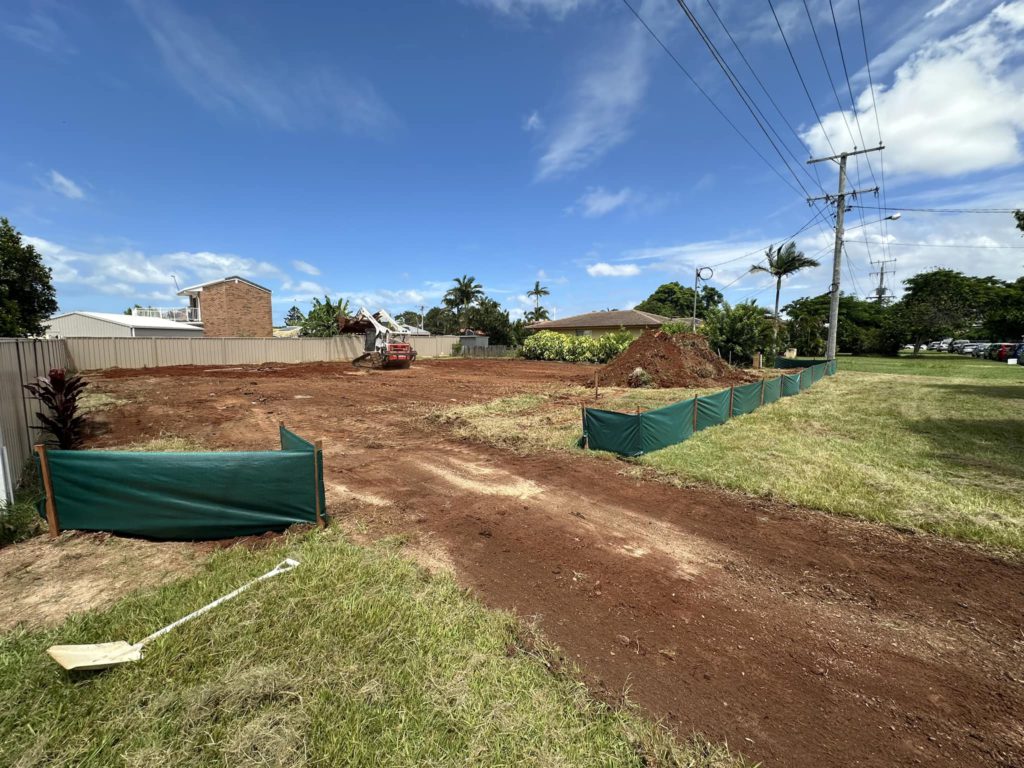
During the installation of a perimeter drainage system, homeowners should prepare for some degree of disruption to their property. Excavation work will create visible trenches around the foundation, and equipment may be present, affecting the surrounding landscape. It is crucial to discuss any concerns with your contractor and ensure that measures are in place to minimise disruptions to your daily routine.
After installation, homeowners can anticipate noticeable enhancements in water management around their foundation. Ideally, the system will effectively redirect water away, significantly reducing the risk of water pooling near the building. Homeowners should remain observant during heavy rainfall, monitoring the system’s performance to verify it operates as intended. Over time, proper maintenance will be essential for keeping the system in optimal working order, including regular inspections and cleaning to prevent clogs and ensure efficient drainage.
Essential Maintenance Practices for Perimeter Drainage Systems
What Regular Maintenance Is Necessary for Perimeter Drainage Systems?
Conducting regular maintenance on your perimeter drainage system is crucial for its longevity and performance. Neglecting maintenance can lead to reduced efficiency and costly repairs down the line. Key maintenance practices include routine inspections to identify signs of blockage, such as standing water or debris accumulation around drainage outlets. A thorough cleaning of the drainage pipes at least once a year can clear clogs and enhance water flow.
Homeowners should also monitor the system’s components, such as sump pumps and catch basins, to ensure they are operating correctly. Checking for any leaks or cracks in the drainage pipes is vital, as these can hinder the system’s performance. Furthermore, maintaining a clear area around the drainage system by removing leaves, branches, and other debris will prevent them from entering the system. By implementing these practices, homeowners can preserve the efficiency of their perimeter drainage systems and extend their lifespan.
How Frequently Should You Inspect Your Perimeter Drainage System?
Perimeter drainage systems should be inspected at least once a year, with more frequent checks recommended during heavy rainfall seasons or when signs of water accumulation are evident. Regular inspections help identify potential issues before they escalate, allowing for timely intervention. Homeowners should pay close attention to drainage outlets and sump pumps, as these components are critical for maintaining proper water flow.
During inspections, homeowners should look for signs of soil erosion around the foundation, as this may indicate that the drainage system is not functioning optimally. If any issues arise, such as reduced water flow or pooling water, it is advisable to consult with a perimeter drainage professional to assess the situation. Regular inspections not only help maintain the system’s efficiency but also provide peace of mind to homeowners, knowing their property is protected against water damage.
What Are the Warning Signs Indicating a Failing Perimeter Drainage System?
Early recognition of a failing perimeter drainage system is crucial to prevent more severe issues in the future. Common indicators include water pooling around the foundation, dampness or moisture in the basement, and visible cracks in the foundation walls. These signs suggest that water is not being effectively redirected away from the building, posing a risk of significant structural damage.
Additionally, homeowners may notice musty odours or mould growth in areas like basements or crawl spaces, indicating prolonged exposure to moisture. If any of these symptoms are present, it is essential to act promptly by consulting with a drainage expert to evaluate the situation and recommend appropriate solutions. Early intervention can help prevent further damage and restore the functionality of the perimeter drainage system.
Research-Driven Benefits of Perimeter Drainage Services in Port Coquitlam
How Does Perimeter Drainage Enhance Property Value?
Perimeter drainage systems can significantly boost property value by safeguarding the building’s foundation and preventing water-related damage. Research indicates that properties equipped with effective drainage solutions are more appealing to potential buyers, as they considerably lessen the risk of costly repairs associated with flooding or structural issues.
In Port Coquitlam, where local climate conditions can lead to water-related challenges, having a well-installed drainage system can serve as a strong selling point. Homeowners can command higher prices and find it easier to sell their properties, knowing that the drainage system offers essential protection. Moreover, prospective buyers often express a willingness to pay a premium for homes with established perimeter drainage, recognising it as a valuable investment for their future.
What Role Does Perimeter Drainage Play in Maintaining Structural Integrity?
Effective perimeter drainage systems are crucial for preserving the structural integrity of buildings, particularly in areas susceptible to heavy rainfall. By preventing water from infiltrating the foundation, these systems mitigate the risks of settling, cracking, and other structural issues that can arise from prolonged exposure to moisture.
In Port Coquitlam, where soil conditions may exacerbate these issues, a well-designed drainage system acts as a vital safeguard. Homeowners who invest in perimeter drainage are likely to incur lower repair costs over time, as these systems enhance the lifespan of their properties. Proper drainage ensures that the foundation remains solid, enabling the overall structure to withstand the elements, thus preserving both the safety and value of the property.
What Environmental Benefits Are Associated with Perimeter Drainage Systems?
Perimeter drainage systems contribute to environmental sustainability by effectively managing water runoff and mitigating the risk of soil erosion. In urban areas like Port Coquitlam, where development can disrupt natural water flow, these systems help maintain the natural water cycle by directing excess water to appropriate drainage areas.
Moreover, implementing efficient drainage systems reduces the likelihood of flooding, which can adversely impact local ecosystems. By controlling water runoff, these systems help safeguard nearby waterways and prevent contaminants from entering the environment. Homeowners who prioritise perimeter drainage solutions not only protect their properties but also contribute positively to the surrounding community and natural landscape, fostering a more sustainable environment for all.
Key Financial Considerations for Perimeter Drainage Services
What Factors Influence the Costs of Installing Perimeter Drainage?
The cost of installing a perimeter drainage system can be influenced by several factors, making it essential for homeowners to understand the variables involved in budgeting for the project. One of the primary factors is the size of the property; larger properties typically require more extensive drainage solutions, leading to higher material and labour costs.
The complexity of the installation can also impact pricing. If the project necessitates significant excavation, removal of obstacles, or advanced drainage technologies, costs may increase accordingly. Additionally, the quality of materials used, such as high-grade drainage pipes and filters, can affect the overall price. Local labour rates in Port Coquitlam and the contractor’s level of experience may also play a role in determining the final cost. By considering these factors, homeowners can make informed decisions and prepare a realistic budget for their perimeter drainage installation.
What Are the Average Costs for Perimeter Drainage in Port Coquitlam?
The average cost of installing a perimeter drainage system in Port Coquitlam can vary significantly, typically ranging from several thousand to tens of thousands of dollars. Smaller residential projects may incur costs around $3,000 to $5,000 for basic installations using standard materials. However, more complex systems or larger properties might require budgets exceeding $10,000, especially if specialised drainage solutions are necessary.
To ensure homeowners receive competitive pricing, it is advisable to gather multiple quotes from local contractors. This comparison enables homeowners to evaluate costs based on their specific project requirements, ensuring they select a contractor that delivers quality and value. Moreover, understanding the specifics of each quote will clarify what is included in the installation, such as warranties or maintenance services.
Are Financing Options Available for Perimeter Drainage Installation?
Many contractors offer financing options for perimeter drainage services to accommodate homeowners wishing to spread the cost over time. Financing plans may include structured payment options, enabling homeowners to manage their budgets more effectively without sacrificing essential installations.
It is advisable to inquire about available financing arrangements when discussing project details with contractors. Some may provide low- or no-interest financing for a specified duration, making it easier for homeowners to invest in perimeter drainage solutions without facing immediate financial strain. Exploring these options allows homeowners in Port Coquitlam to pursue necessary drainage installations while maintaining financial flexibility.
How Can Homeowners Reduce Costs on Perimeter Drainage Installation?
Homeowners can save money on perimeter drainage installation by adopting several strategies. First, selecting cost-effective materials can significantly reduce expenses without compromising quality. Undertaking some installation tasks personally, such as site preparation or basic landscaping, can also lower labour costs.
Timing plays a critical role in budgeting; securing services during off-peak seasons may yield discounts, as contractors often offer promotions during slower periods. Additionally, obtaining multiple quotes can help identify competitive pricing, ensuring that homeowners receive the best value for their investment. By implementing these strategies, property owners can effectively manage costs while ensuring they receive a high-quality perimeter drainage solution.
Real-Life Accounts and Testimonials from Port Coquitlam Residents
Success Stories Showcasing Perimeter Drainage in Port Coquitlam
Success stories from residents in Port Coquitlam demonstrate the effectiveness of perimeter drainage systems in preventing water damage and enhancing property value. For instance, one local family experienced recurring basement flooding during heavy rains, leading to significant damage and costly repairs. After installing a comprehensive perimeter drainage system, they reported a dramatic decrease in water accumulation, providing peace of mind and increasing their property’s value.
Another case involved a commercial property that struggled with water pooling in its parking lot, creating safety hazards and limiting usability. Following the installation of surface drains and an interceptor drain, the property manager noted a marked improvement in drainage efficiency, resulting in increased customer satisfaction and enhanced property appeal. These real-world insights highlight the tangible benefits of perimeter drainage systems in Port Coquitlam and their ability to address specific challenges faced by homeowners and businesses alike.
What Feedback Do Local Residents Share About Perimeter Drainage Systems?
Residents in Port Coquitlam often share positive experiences with perimeter drainage systems, highlighting the peace of mind and protection they provide against water-related issues. Common testimonials include:
- “Since our perimeter drainage was installed, we haven’t faced any water problems in the basement—it’s such a relief!”
- “The contractors were professional, and the installation was efficient—we’re thrilled with the results.”
- “Our property value has risen, and we feel secure knowing our home is now protected against flooding.”
- “I appreciate how the drainage system was customised to our unique landscape—it has made a significant difference.”
These testimonials reflect the satisfaction of homeowners who have invested in perimeter drainage solutions, emphasising the systems’ effectiveness in addressing local water management challenges.
How Have Perimeter Drainage Services Evolved in Port Coquitlam Over Time?
Perimeter drainage services in Port Coquitlam have undergone substantial evolution, primarily driven by advancements in technology and techniques that enhance efficiency and effectiveness. What once relied on basic trench systems has now transformed into sophisticated drainage solutions that incorporate modern materials and design strategies.
Contractors now utilise advanced drainage technologies, including high-density polyethylene pipes, which offer superior durability and flow performance. Furthermore, the integration of smart technologies into drainage systems facilitates real-time monitoring and maintenance, ensuring homeowners are alerted to any potential issues before they escalate. This evolution reflects a growing understanding of local water management challenges and a commitment to providing innovative, reliable solutions tailored to the specific needs of Port Coquitlam.
How Does Perimeter Drainage Influence Property Values in Port Coquitlam?
Case studies illustrate how perimeter drainage systems have positively impacted property values in Port Coquitlam by mitigating risks associated with water damage. Homes equipped with effective drainage solutions are perceived as safer investments by potential buyers, often commanding higher sales prices compared to similar properties without such installations.
One notable instance involved a neighbourhood where multiple homes faced flooding issues. Those that invested in perimeter drainage not only experienced a decrease in water-related problems but also observed an increase in property values, as buyers recognised the added protection. Such examples underscore the significance of perimeter drainage systems in enhancing property value, particularly in areas prone to heavy rainfall and variable soil conditions.
Future Trends in Perimeter Drainage Services
What Innovations Are on the Horizon for Perimeter Drainage Solutions?
Innovations in perimeter drainage technology are expected to enhance the efficiency and effectiveness of these systems. One notable trend is the development of eco-friendly materials that improve drainage performance while minimising environmental impact. These sustainable materials align with the increasing focus on green building practices.
Moreover, the integration of smart technology is becoming more common in drainage solutions. Sensors that monitor water levels and alert homeowners to potential issues can significantly boost the functionality of perimeter drainage systems. These advancements not only improve system performance but also provide homeowners with greater control and peace of mind.
Additionally, improvements in drainage design techniques, such as modular drainage systems that can be easily expanded or modified, offer greater flexibility for homeowners looking to adapt their drainage solutions in response to changing environmental conditions. These innovations represent a progressive step forward in the perimeter drainage industry.
How Might Climate Change Affect Perimeter Drainage Requirements?
Climate change is anticipated to significantly impact perimeter drainage needs as weather patterns become increasingly extreme. In regions like Port Coquitlam, heightened rainfall and the potential for more frequent flooding events necessitate a reevaluation of existing drainage systems. Homeowners may need to upgrade their drainage solutions to accommodate these changes, ensuring their properties remain protected.
As precipitation intensifies, the demand for efficient drainage systems is likely to grow. This will require a greater focus on designing systems capable of handling sudden surges of water, including the implementation of overflow systems and improved filtration techniques. Preparing for these shifts can help safeguard properties against future water-related challenges, underscoring the importance of proactive planning in drainage design.
What Role Will Sustainability Play in Future Perimeter Drainage Solutions?
Sustainability is poised to become a critical consideration in future perimeter drainage solutions, with a focus on eco-friendly materials and practices that support environmental conservation efforts. Homeowners and contractors are increasingly aware of the impact drainage systems have on the surrounding ecosystem, prompting a shift towards more sustainable practices.
Innovative strategies like green roofs, permeable paving, and bio-retention systems are gaining popularity as effective methods for managing stormwater. These systems not only enhance drainage but also contribute positively to local ecosystems by improving water absorption and reducing runoff. As the industry evolves, it is likely that sustainability will become a standard consideration in perimeter drainage design and installation, ensuring that new systems promote both property protection and environmental stewardship.
Frequently Asked Questions About Perimeter Drainage
What purpose does a perimeter drainage system serve?
A perimeter drainage system is designed to manage water flow around a building’s foundation, preventing water accumulation and potential damage.
How can I determine if I need a perimeter drainage system?
Indicators that suggest the necessity for a perimeter drainage system include water pooling around the foundation, dampness in the basement, or visible cracks in the walls.
What is the typical duration for a perimeter drainage installation?
Installation typically takes a few days to a week, depending on the size of the property and the complexity of the project.
What maintenance is required for a perimeter drainage system?
Regular maintenance includes inspecting for blockages, cleaning pipes, and ensuring sump pumps are operational.
How can I select the right contractor for drainage services?
Research local contractors, check reviews, ask for references, and obtain multiple quotes to find the best fit for your needs.
Are financing options available for perimeter drainage installation?
Yes, many contractors offer financing options to help homeowners spread out installation costs over time.
What are the common types of perimeter drainage systems?
Common types include French drains, surface drains, interceptor drains, and channel drains, each suited for specific drainage needs.
What signs indicate a failing perimeter drainage system?
Signs of a failing system include water pooling, damp basements, visible cracks in walls, and musty odours, indicating inadequate drainage performance.
How does perimeter drainage impact property value?
Effective perimeter drainage systems enhance property value by preventing water damage and making homes more appealing to buyers.
What innovative technologies are being utilised in perimeter drainage?
Innovations include smart drainage systems with monitoring sensors and eco-friendly materials that improve performance while reducing environmental impact.
Connect with us on Facebook!
The Article: Perimeter Drainage Services in Port Coquitlam: Your Guide First Published On: https://pacificbluemechanical.ca/
The Article Perimeter Drainage Services: A Guide for Port Coquitlam Residents Was Found On https://limitsofstrategy.com
References:
Perimeter Drainage Services: A Guide for Port Coquitlam Residents