To conduct a thorough inspection for bed bugs, closely examine the seams of your mattress, the bed frame, and the headboard for signs such as small blood spots, dark droppings, shed skins, and the bugs themselves. Itchy bites that surface overnight often serve as an early indication of an infestation. We provide extensive bed bug treatment services for homes, apartments, and rental properties throughout the Hills District and the wider Sydney region. This comprehensive guide details what to look for, how infestations occur, and the specifics of our treatment methods.
- Key Indicators of Infestation: Stay alert for blood stains, dark droppings, shed skins, live bugs, and a sweet musty smell in advanced cases.
- Health Risks: As per NSW Health, bed bugs are not known to transmit diseases; however, their bites can lead to significant itching and disturb sleep.
- Steps to Take Before Contacting Professionals: Refrain from using insecticides, stripping the bed, or moving belongings out of the affected area.
What Steps Should You Take to Inspect for Bed Bugs in Your Home?
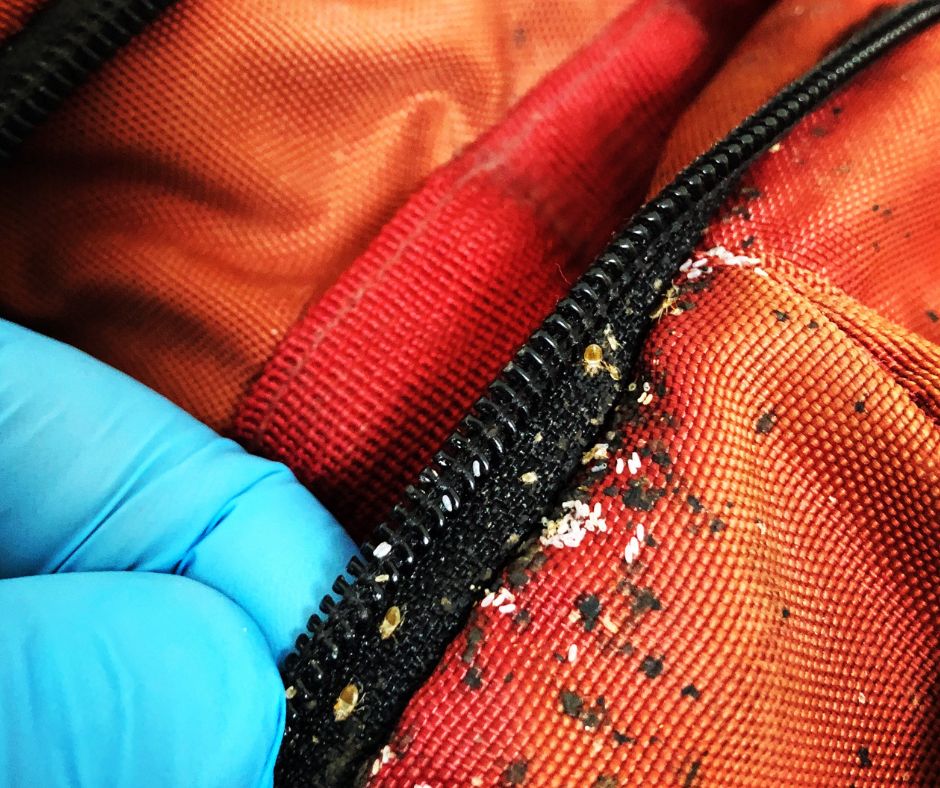
Begin your inspection with the bed, as bed bugs generally reside close to where people sleep. The Better Health Channel, a resource from the Victorian Government, identifies four essential signs to check: the bugs themselves, small blood stains on sheets or mattresses from crushed bugs, rusty or dark droppings on mattresses, bedding, or walls, and a sweet, musty odour in severe infestations.
Carefully peel back the bedding and shine a torch on the mattress piping, corners, and tags. Next, examine the joints of the bed frame, behind the headboard, and along the skirting boards near the bed. Pale, empty casings signify shed skins left behind as the bugs grow. If you predominantly find these casings, consult our guide on dead bed bug shells to understand their implications for the infestation.
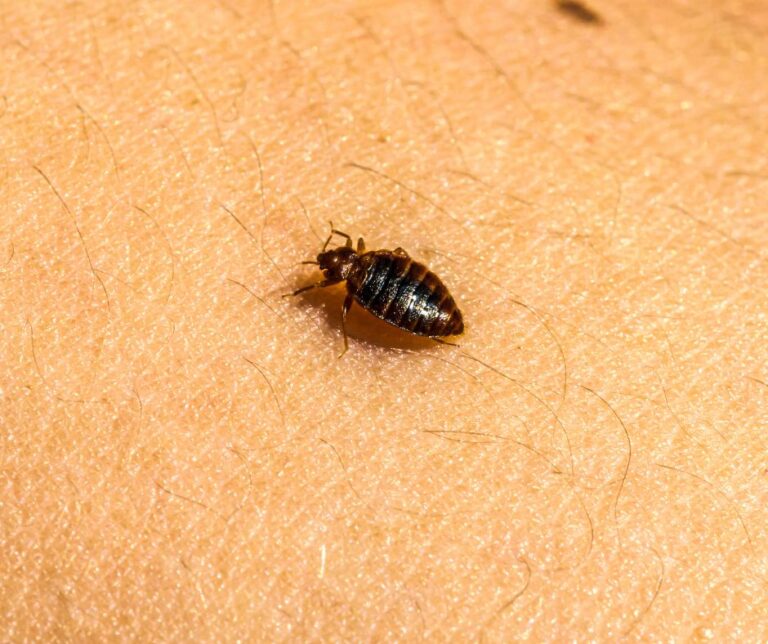
What Distinguishes Bed Bugs from Other Pests?
An adult bed bug is roughly the size of an apple seed, as described by the Australian Environmental Pest Managers Association (AEPMA). These insects are flat, wingless, and reddish-brown. Younger bugs, known as nymphs, are smaller and lighter in colour, while the eggs are translucent white and about 1 mm in length, making them easy to overlook in mattress seams.
If you are uncertain about what you have discovered, take a clear photograph or place the insect in a sealed bag or jar and bring it to us during your inspection.
Where Do Bed Bugs Typically Hide in a Sydney Home?
Bed bugs primarily conceal themselves in cracks and crevices, as noted by AEPMA. They are most active between midnight and 5 AM, feeding while individuals are in deep sleep. These pests require a blood meal every three to seven days, which means they spend most of their time digesting their previous meal out of sight.
In the residences we treat, common hiding spots include:
- Seams and tufts of mattresses
- Bed frames and the back of the headboard
- Furniture joints and clothing stored close to the bed
- Cracks along skirting boards and edges of carpets
- Sofas, cushions, and curtains
- Suitcases, backpacks, and clothing
Bed bugs cannot fly or jump. They travel with humans, hidden in luggage, clothing, and second-hand furniture, which is why short-term rentals, holiday accommodations, and properties with high tenant turnover often become the initial sources of infestations.
How Rapidly Can a Bed Bug Infestation Expand?
A bed bug infestation can grow quickly once established. According to AEPMA, a female bed bug lays between one and seven eggs daily for up to ten days after each blood meal, with the transition from egg to adult taking as little as 37 days. At an average temperature of 22°C, adult bed bugs can live for around five months.
Each young bug needs a blood meal to progress to the next developmental stage, going through five stages before reaching maturity. This rapid growth is a significant factor in the swift increase of their populations, highlighting the importance of scheduling an inspection at the first signs of trouble.
Are Bed Bug Bites Harmful to Your Health?
NSW Health confirms that bed bugs do not pose a public health threat and are not known to transmit diseases. their bites can lead to considerable itching and sleep disruption, with excessive scratching potentially resulting in skin infections. The Better Health Channel describes the bites as large welts that develop into red marks, fading over several days, often accompanied by swelling or blisters.
To alleviate itching, the Better Health Channel suggests avoiding scratching, applying calamine lotion or an anaesthetic cream, washing the bites with antiseptic soap, and using an ice pack. If a bite shows signs of infection, seek medical advice promptly.
Why Are DIY Bed Bug Sprays Often Unsuccessful?
Many bed bugs in Australia have developed resistance to commonly used pyrethroid insecticides, making them difficult to control, as highlighted by AEPMA. These pests usually remain hidden in cracks, often avoiding contact with newly applied sprays. The Better Health Channel states that maintaining good hygiene and cleanliness alone is unlikely to eliminate an infestation.
Attempting to spray the bed on your own can spread the bugs to other areas, reducing the effectiveness of professional treatments. If you suspect a bed bug presence, avoid spraying, stripping the bed, or washing linens, and keep the bedroom door closed to prevent items from being moved out. Open windows to ventilate the room and contact us to arrange an inspection.
What Can You Expect During a Bed Bug Treatment by So Pest Off?
Our bed bug treatment encompasses every room in your home, not merely the bedroom where the initial discovery was made, as bed bugs can also hide in lounges, curtains, and carpets. AEPMA advises that effective bed bug control requires a combination of chemical and non-chemical methods alongside good hygiene practices, so our treatment includes specific steps for both our technicians and you.
Assessing the Bed Bug Infestation
We commence with an inspection of the bedrooms and living areas to pinpoint active bed bug hotspots and evaluate the extent of the infestation. Following this, we will outline our suggested treatment plan and inform you of the necessary actions to take before and after the procedure.
Applying Treatments to Beds, Furniture, and Skirting Boards
Our trained technicians treat beds, mattresses, skirting boards, furniture, and clothing throughout the entire property. After treatment, we seal items such as sheets and clothing in bags to contain the treatment product, and we restrict access to each treated room. It is best to remain outside these rooms for six to eight hours, or preferably overnight, to ensure optimal results.
Cleaning After Treatment
Once it is safe to return, wear gloves to open the sealed bags, wash the contents on a hot cycle, and dry them in a dryer on high heat. Avoid vacuuming for at least 10 days, as it can remove the treatment product before it has had a chance to work effectively. The Better Health Channel provides the same advice regarding vacuuming immediately after treatment. After two weeks, we recommend arranging a professional carpet or upholstery cleaning to eliminate any dead bugs and residual product.
It is common to continue finding dead bed bugs for up to six weeks post-treatment; this is a sign that the treatment remains effective against bugs emerging from their hiding spots.
Ongoing Pest Management Suggestions
We recommend scheduling a general pest control treatment six to eight weeks after the initial visit to capture any surviving bed bugs and protect your home from future infestations. Current pricing details can be found on our pricing page.
How Can You Prevent Bed Bugs from Returning?
Bed bugs typically enter homes via luggage, clothing, or second-hand furniture. By implementing the following practices, you can reduce the risk of inadvertently bringing them home:
- Avoid placing suitcases on the bed or near curtains while travelling; use a luggage rack or set them on a hard floor instead.
- Wash and dry your clothes on the hottest setting as soon as you return home.
- Carefully inspect used furniture and mattresses before bringing them indoors.
- Use a fitted mattress protector and change your sheets regularly.
- Keep curtains off the floor and minimise clutter around the bed to reduce potential hiding spots for bed bugs.
Reliable Bed Bug Pest Control Services in NSW
In New South Wales, anyone providing pest control services must hold a pest management technician licence, issued by the NSW Environment Protection Authority under the Pesticides Act 1999 and the Pesticides Regulation 2017. Professional bed bug management in Australia adheres to the Code of Practice for the Control of Bed Bug Infestations in Australia, developed by the Department of Medical Entomology at Westmead Hospital in collaboration with AEPMA, and endorsed by NSW Health.
So Pest Off’s technicians possess the required licences, and our bed bug treatment process aligns with these guidelines. If you have noticed bites, stains, or live bugs, please share your findings and the affected areas with us, and we will guide you through the inspection and treatment options available. Learn more about our bed bug pest control services in Sydney.
Pest Control Near Me
Original Article First Published At: How to Identify, Treat and Prevent Bed Bugs in Sydney: A Guide from So Pest Off
The Article: Identify and Prevent Bed Bugs in Sydney: A Pest Off Guide first appeared on https://writebuff.com
The post Bed Bugs in Sydney: Essential Prevention and Identification Tips appeared first on Limits Of Strategy.
References:
Bed Bugs in Sydney: Essential Prevention and Identification Tips