Last Updated on July 2, 2026 by David
Slate floor damage can manifest in various ways, including cracks, chips, flaking, dull spots, inconsistent colour, worn grout, raised edges, outdated sealers, or broken tiles. The floor’s layered structure, rough texture, moisture absorption, failed sealants, and wear from foot traffic make assessing its condition challenging. It is vital to seek a professional evaluation to distinguish between superficial cleaning issues and deeper structural problems, which will help you determine the most effective repair method.
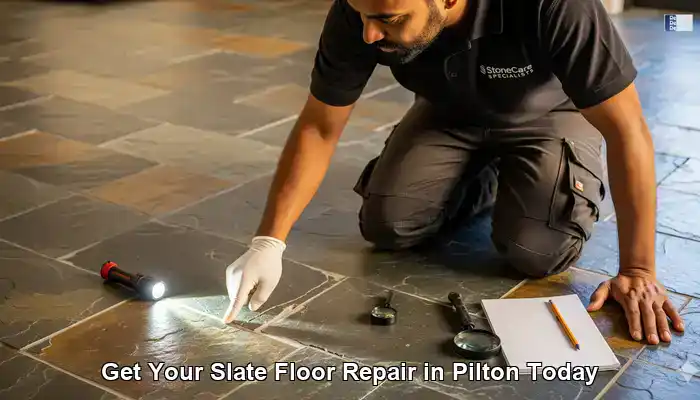
In Pilton, obtaining a professional assessment of your slate floors is crucial before undertaking any repair work. This is essential because similar-looking marks can result from factors such as traffic abrasion, layer separation, moisture retention, coating build-up, grout degradation, or unevenly installed stone tiles.
How to Identify Slate Floor Damage: Spotting Cracks, Chips, and Worn Grout
Slate floor issues often arise from uncertainty about the floor’s condition. The surface may appear marked, uneven, or damaged, making it difficult to ascertain whether these issues are superficial or indicative of deeper damage to the stone. Common signs include cracks, chips, loose grit, lightened pathways, dark grout joints, height discrepancies, and faded patches, especially in high-traffic areas like kitchens, hallways, and entrances. The first step in assessing the damage is to differentiate visible dirt from signs of deterioration in the slate surface, grout, pointing, or protective layer.
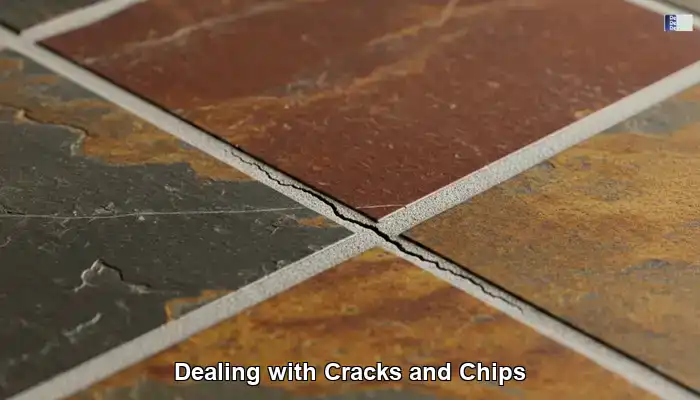
What Are the Signs of Cracks and Chips?
Cracks and chips in slate tiles are typically quite visible, as the damaged edges often sit lower than the surrounding surface. This creates shadows and traps dark soil during cleaning. A hairline fracture can develop into a prominent dark line as dirt accumulates within the fissure.
Identifying the Issue is Essential: just because a crack or chipped corner is visible does not mean the entire floor requires replacement. it does indicate that the issue has progressed beyond a simple cleaning solution. The natural ridges of the riven surface can complicate the determination of whether a rough patch is part of the original texture or is indicative of damage.
Uneven tiles, raised edges, and slight height variations can create an unpredictable sensation underfoot, particularly near thresholds and doorways. Recognising these signs is critical, as they may dictate whether repair materials, grout repairs, colour matching, or replacement tiles will be necessary.
How to Identify Flaking, Grit, and Thin Layers on Slate
Flaking slate poses a unique challenge, as it may appear to be losing material. Fine, gritty debris can often emerge right after sweeping, or thin, wafer-like pieces may lift from the corner of a tile. Homeowners might mistake this for dirt returning, but the key difference lies in the texture: soil can be wiped away, whereas a weakened surface feels gritty and uneven.
Flaking and rough layers generally occur in areas exposed to water, heat, or heavy foot traffic — such as entryways, utility rooms, and kitchen paths. These locations endure more stress than quieter areas of the home, resulting in a pristine look in one zone while another appears worn. Flaking does not indicate a lack of durability in the slate; it requires context assessment, taking into account the stone type, finish, condition of the old coating, state of the grout, and any moisture effects.
How to Address Fading, Dull Spots, and Colour Changes Beyond Cleaning
Faded slate may look clean but still lack vibrancy, as the colour may have lost its depth. Pale, chalky lines often trace the paths where people walk, with fine grit brought in on shoes gradually eroding the surface like sandpaper. Homeowners frequently experiment with various cleaning products, believing the floor remains dirty, yet dull patches can linger even after cleaning. The underlying cause may not solely be removable soil; it may also represent the visible effects of surface wear, old sealant failure, or uneven protection.
Colour variation can be particularly perplexing on riven slate, where natural mineral tones already vary from tile to tile. Welsh slate, Indian slate, Chinese slate, and Brazilian slate all respond differently to aging, moisture, wear, and old sealers, leading to some tiles remaining dark while others fade or change appearance based on lighting. This pattern is vital for diagnosis, as genuine natural variation appears settled and consistent, while wear-induced fading typically clusters around high-traffic areas, such as pathways, sinks, and doorways.
How to Evaluate Worn Grout, Dark Joints, and Uneven Slate Edges
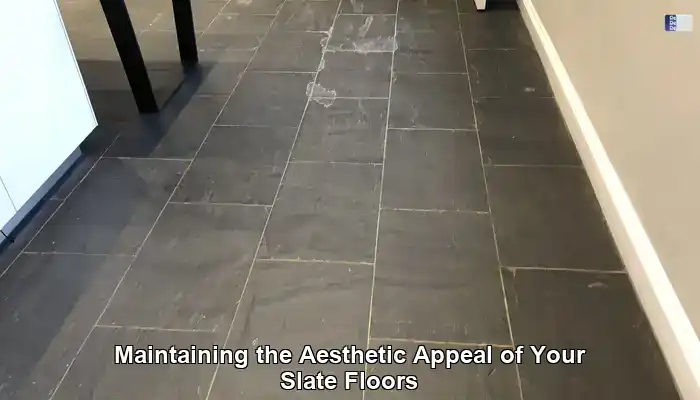
Worn grout can drastically change the appearance of a slate floor, as the joints may overshadow the tiles’ condition. Dark grout lines can emerge from contaminated mop water, worn joint surfaces, recessed pointing, or moisture retention at the edges. Recessed joints can cast shadows, making an otherwise clean floor look fatigued. Tiles often appear brighter after mopping, while the grout remains discoloured.
Raised tile edges and uneven slabs complicate the assessment further. Older floors, particularly in UK cottages, farmhouses, and extended kitchens, may exhibit slight movement, variable bedding, or installation height discrepancies that a modern floor would not show. A breathable sealer can protect a suitable surface, but it cannot eliminate trip hazards or level stone tiles without altering the floor structure. These indicators are essential in diagnosis, as unevenness, worn pointing, and historical floor movement can help determine whether home care is sufficient or if a professional evaluation is needed.
What Are the Cleaning Challenges: When Standard Methods Are Insufficient
Routine cleaning becomes ineffective as a diagnostic tool when the same marks keep reappearing. While a mop can remove loose soil, it cannot reveal the stability of a crack, whether a flaking area continues to shed, if old sealants are retaining residue, or if pale pathways stem from surface wear. The floor may seem to reflect a failure of the cleaning routine, but the underlying issue often lies within the condition of the slate, the grout, or the protective finish beneath.
Consistent maintenance is crucial. Using pH-neutral cleaning products, removing grit before wet mopping, and resealing at appropriate intervals can extend the lifespan of slate by minimising wear and preserving its surface character. A professionally restored and correctly sealed floor is significantly easier to clean and maintain than one that is worn or improperly treated. Avoid steam cleaning, as heat and moisture can soften old coatings, push water into the riven texture, and complicate the surface’s readability afterwards. Practical maintenance principles are outlined in the slate cleaning and maintenance guide, which highlights the importance of ongoing care.
What Causes Variations in Slate Floor Wear and Damage?
A slate floor may exhibit a range of wear, with some sections appearing pale, while others darken around the joints and edges appear rough, even when subjected to the same cleaning routine. Wear on slate seldom distributes evenly due to factors such as foot traffic, moisture exposure, the age of the coating, and the stone’s origin. Busy pathways leave light trails, loose grit results in microscopic damage, and surface dulling occurs where foot traffic repeatedly abrades the upper colour. Build-up from old sealants can trap residue in recessed areas, while open joints may retain moisture, leading to chalky deposits or uneven finishes after drying.
The layered structure of slate is a key reason for the diverse symptoms observed. Slate is a fine-grained metamorphic rock that cleaves along natural planes; its layered composition limits mechanical polishing and restoration to cleaning and sealing, making the stone sensitive to harsh cleaning agents. Elements such as mineral planes, cleavage separation, geological formation, and structural attributes are significant, as weak boundaries can lead to layer separation, lamination loss, flaking, and localised structural breakdown.
Slate issues often appear uneven because the floor does not fail uniformly.
Moisture movement can link several seemingly unrelated symptoms. High moisture levels, premature sealing, substrate moisture, vapour movement, and inadequate drying can trap water beneath a surface layer or result in chalky residue. Sealant failure indicates the loss of bond, balance of permeability, or protective function of an old slate finish. Homeowners may notice dull patches, dark build-up at the edges, uneven sheen, residue trapped in the texture, or areas that appear patchy shortly after cleaning. Professional intervention can remove unstable coatings as needed, allowing the floor to dry properly before resealing with a compatible breathable finish once the slate is both clean and stable. For a deeper understanding of why some slate floors fade, darken, or remain patchy, refer to the guide on slate floors that change colour from within, which focuses on the causes of damage rather than cleaner selection.
How Can You Tell When Slate Damage Exceeds Simple Surface Dirt?
Repeated scrubbing of flaking slate can obscure the true state of the floor, as loose edges, peeling layers, and widening cracks generate fresh debris when fragile edges are stressed. Surface dirt typically shifts, lightens, or changes position after careful cleaning. Physical damage, however, returns to the same shape and position once the floor dries, especially when flaking surfaces, moisture stress, heat exposure, weakened areas, or sealant failure have already impacted the riven texture.
Coating build-up introduces another layer of complexity, as excess application, edge build-up, residue from previous treatments, and uneven finishes can conceal the true surface of the slate. A floor may appear dark in recessed areas, light in traffic lanes, and glossy at the edges due to old sealants and waxes not wearing uniformly. This pattern is crucial, as adding more products can compromise adhesion, trap contaminants, and create a visually unstable floor.
Moisture-related symptoms must be handled with care, as trapped water can lift residues, encourage chalky deposits, and keep grout looking dark while the rest of the floor dries. Surface breakdown that widens, sheds grit, or reappears after standard cleaning should be classified as damage rather than routine cleaning; the dedicated guide to slate floors that continue to shed grit provides deeper insights into that specific issue. Accurate diagnosis significantly enhances the floor’s appearance following appropriate professional intervention, often resulting in a dramatic improvement compared to the original installation.
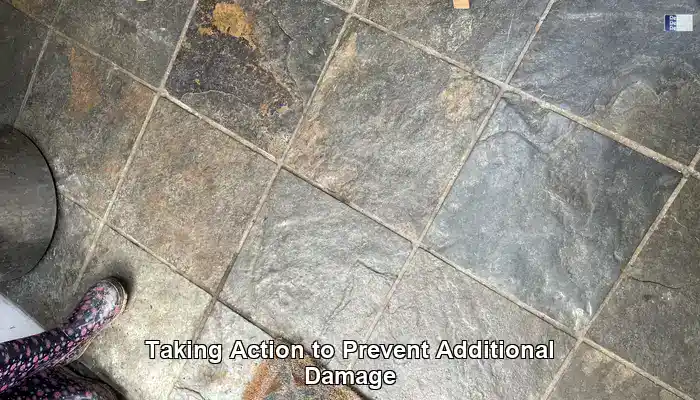
How Does Visual Diagnosis Inform the Need for Home Care or Professional Assessment of Slate?
When cracks, chips, dark grout, worn areas, failed coatings, or uneven tile heights are observed collectively, it is essential to assess the floor as a whole rather than as individual marks. Visual diagnosis considers the entire slate floor before any treatment, as these symptoms can interact with one another. Factors like raised slabs, historical floor movement, the condition of pointing, damp proof membrane limitations, and breathable sealer requirements are vital when the stone tiles exhibit height differences or potential trip hazards. A finely honed slate floor maintains a smooth, consistent surface that diffuses light evenly; an impregnating sealer preserves the natural riven texture, while a topical sealer adds a subtle sheen.
Diagnostic checks should focus on observation rather than instruction, as this page aims to assist the reader in recognising the condition prior to selecting a remedy. The following sequence offers a reliable framework for recognition:
- Visible cracks and chipped edges help indicate if the damage is due to impact, subfloor movement, or isolated edge wear.
- Flaking, peeling layers, and loose grit suggest whether the surface continues to shed after cleaning.
- Recessed grout and dark joints reveal if contaminated water, worn pointing, or moisture at the edges is altering the floor’s appearance.
- Dull patches and colour variation indicate if high-traffic areas, surface wear, colour fading, or old coating build-up follow a recurring pattern.
- Uneven tile heights suggest whether raised edges, old slabs, or installation movement require professional assessment before deciding on any finish.
- Repeated returns of marks after cleaning indicate whether the issue behaves like removable soil or a deeper slate condition.
Professional evaluation becomes more likely when multiple signs present together rather than as isolated marks. Flexible bedding, compatible filling materials, sanded grout, grout repairs, colour matching, replacement slate tiles, and localised tile replacement all depend on the findings of the diagnosis; these are decisions regarding repairs rather than cleaning. Accurate assessment also ensures longevity, as pH-neutral care, dry grit removal, and complete drying before resealing practices maintain permeability, adhesion, and the protective layer that keeps slate cleaner for longer.
What Steps Should You Take When Slate Symptoms Indicate the Need for More Than Basic Cleaning?
If cracks, chips, flaking, dull patches, inconsistent colour, dark grout, or height differences persist after regular cleaning, the subsequent steps should align with the observed condition. These issues do not all necessitate the same response; thus, advice regarding cleaner selection and cross-material treatments could obscure the diagnosis. Broader slate behaviour, historical moisture in the floor, limits of the riven surface, choices for breathable sealers, and long-term repair considerations are consolidated in the primary slate floors guide for UK homes, providing the reader with essential context.
The appropriate next steps depend on whether the floor exhibits characteristics of a maintenance issue, a coating problem, moisture-related concerns, or structural changes. Professional restoration can significantly simplify the cleaning and maintenance process after an accurate diagnosis. Raised edges, active fissures, and deep structural movement necessitate careful judgement before any cosmetic improvements are promised. A clear diagnosis provides homeowners with practical reassurance, helping them decide whether home care is sensible or if a specialist assessment is the safer course of action.

David Allen — Abbey Floor Care
David Allen has over two decades of experience in diagnosing and restoring natural stone and tile floors in UK residences. His expertise lies in clarifying the condition of a floor before recommending a treatment pathway, enabling homeowners to distinguish between cleaning, sealing, repair, and restoration options.
The Article Slate Floor Repair Diagnosis in Pilton: Reading the Signs first appeared on https://www.abbeyfloorcare.co.uk
The Article Slate Floor Repair Diagnosis: Recognising the Signs in Pilton appeared first on https://fabritec.org
The Article Slate Floor Repair: Identifying Issues in Pilton Was Found On https://limitsofstrategy.com
References:
Https://limitsofstrategy.com/slate-floor-repair-identifying-issues-in-pilton/