Choosing the Best Equipment for Monitoring Your Pets Remotely
Essential Features to Consider for Optimal Performance
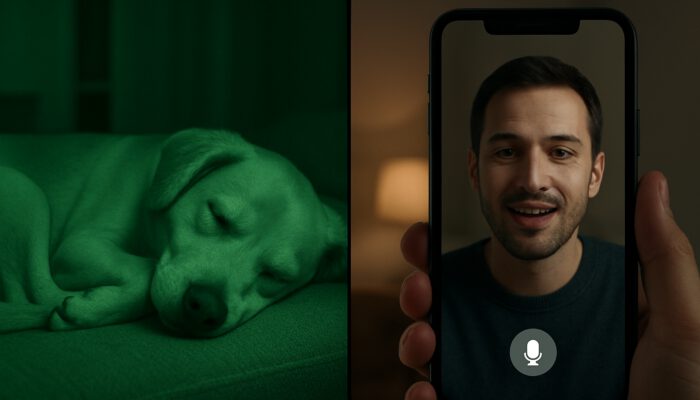
When choosing video monitors for remote pet surveillance, prioritising features like resolution quality, night vision capabilities, and two-way audio functionality is vital. Monitors with high resolution provide sharp images of your pets, and dependable night vision allows you to monitor them even in low-light conditions. The two-way audio feature is especially useful, enabling you to communicate with and comfort your pets when you are not at home.
Take into account the field of view and pan-tilt functions. A broad field of view guarantees extensive coverage of the room, while the capability to pan and tilt the camera remotely offers the flexibility to adjust the angle as required. This feature is crucial for tracking active pets that move around frequently, ensuring you capture every important moment while you are away.
Understanding Connectivity and Compatibility Needs
It is essential to check wifi standards, power source options, and compatibility with your existing home network to ensure smooth operation of video monitors for remote pet surveillance. Choose devices that support contemporary Wi-Fi standards such as 802.11ac to enable faster data transmission, particularly beneficial if multiple devices are active on the same network to avoid bandwidth issues.
Another key consideration is compatibility with smart home systems. Many pet owners prefer monitors that easily integrate with other smart devices, like smart speakers or home automation systems. This integration not only enhances functionality but also simplifies the user experience, allowing you to manage your home monitoring setup from one central platform.
Evaluating Your Budget and Assessing Value
When assessing video monitors for remote pet surveillance, it is crucial to balance initial costs with long-term durability and features. While it might be tempting to opt for the least expensive option, investing in a high-quality product can lead to savings over time. Pay attention to warranty periods and customer support options, as these often reflect the manufacturer’s confidence in their product’s longevity.
Evaluate the overall value by considering how well the monitor fits into your lifestyle. A more expensive model that includes advanced features may provide greater peace of mind and improved functionality, making it a worthwhile investment. Weighing these aspects against your budget will help guide you to a purchase that meets your needs without compromising quality.
Assessing Security Measures and Privacy Protections
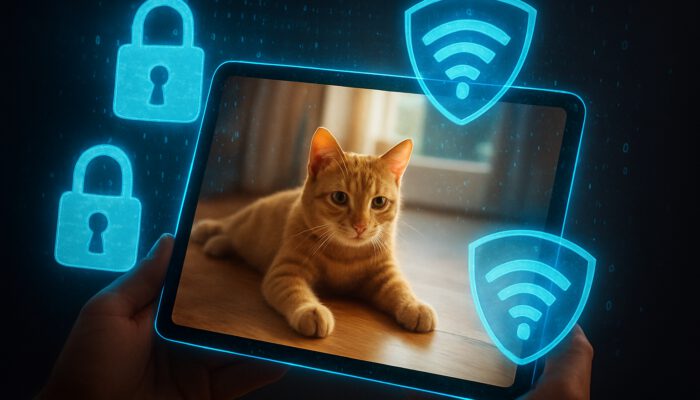
Choosing video monitors for remote pet surveillance requires a careful evaluation of encryption methods, data storage practices, and access controls. Select devices that provide end-to-end encryption to ensure your video feed remains secure from unauthorised access. This is particularly important when using Wi-Fi networks, which may be susceptible to hacking.
Investigate the data storage options available. Some monitors offer cloud storage solutions, while others save footage locally. Each method has its pros and cons regarding accessibility and security. Understanding these differences will aid you in selecting a monitor that prioritises your privacy while delivering reliable pet monitoring capabilities.
Expert Insights on Video Monitors for Remote Pet Surveillance
Successful Real-World Applications of Pet Monitoring
Implementing video monitors for remote pet surveillance demands careful planning to maximise coverage and minimise blind spots. For instance, positioning cameras in the corners of rooms can provide a wider view, allowing you to monitor multiple areas at once. In homes with several pets, using multiple cameras ensures that each pet receives the attention they need.
The layout of your home plays a significant role in your setup. In an open floor plan, a single camera may suffice, but in divided spaces, strategic positioning becomes essential. Experimenting with various angles and heights can help pinpoint the best locations for observing your pets’ activities, ensuring a comprehensive view during longer monitoring sessions.
Expert Analysis of Device Longevity
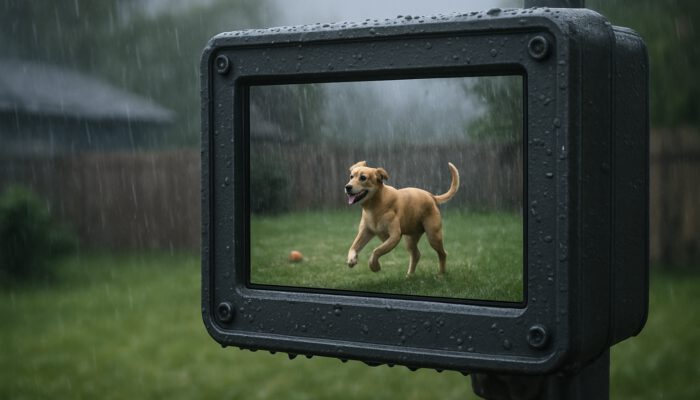
Evaluating material quality and weather resistance is crucial for ensuring the longevity of video monitors for remote pet surveillance. Look for monitors constructed from durable materials that can withstand wear and tear, especially if they will be placed in high-traffic areas. Weather-resistant models are particularly beneficial for monitoring pets in outdoor settings.
Regular use can impact devices, so selecting a monitor known for its durability can prevent frequent replacements. Reading reviews and expert recommendations can provide insights into which models have proven their resilience over time, ensuring reliable performance throughout various seasonal conditions and regular use.
What Maintenance Practices Do Experts Recommend?
To maintain optimal functionality in video monitors for remote pet surveillance, consistently cleaning lenses and updating firmware is necessary. Dust and smudges can obscure camera views, so regular cleaning with a soft, dry cloth is vital for preserving clarity. Many manufacturers release firmware updates that enhance functionality and security, making it essential to keep your device current.
Experts recommend routinely checking the camera’s positioning and functionality. Ensuring the camera remains properly aligned and that all features function well can prevent issues later on. By adhering to these maintenance tips, you can extend the life of your video monitor and ensure consistent performance.
How Does Remote Viewing Technology Operate?
Understanding Data Transmission Methods
Video monitors for remote pet surveillance depend on secure wireless protocols to relay live footage from cameras to mobile devices. Most modern monitors employ Wi-Fi technology for data transmission, enabling pet owners to check on their furry friends from nearly anywhere with an internet connection. This feature is particularly valuable for individuals who travel frequently or work long hours away from home.
To maintain a reliable connection, a strong Wi-Fi signal in the vicinity of the monitor is crucial. Weak signals can lead to interruptions or subpar streaming quality. Using Wi-Fi extenders or mesh networks can enhance coverage, ensuring uninterrupted video feeds.
Utilising Sensors and Alerts for Enhanced Monitoring
Motion detection capabilities in video monitors for remote pet surveillance send alerts to users about activity, enabling them to promptly address their pets’ needs or behaviours. Many monitors are designed with advanced sensors that can differentiate between human and pet movements, reducing false alarms. This functionality allows pet owners to monitor their pets more effectively without being inundated with unnecessary notifications.
Alerts can be directed to your smartphone or other connected devices, keeping you informed about your pet’s activities in real-time. Customising alert settings enhances the user experience, allowing you to adjust sensitivity levels based on your pet’s behaviour and environment, resulting in a more personalised monitoring experience.
Optimising Power Management Techniques
Effective battery or wired power designs ensure video monitors for remote pet surveillance function efficiently without frequent recharging or power-related issues. Many modern monitors provide both battery and plug-in options, offering flexibility based on your setup. Battery-operated models are ideal for placements without easy access to power outlets, while wired models ensure a continuous power supply.
To extend battery life, utilise power-saving modes that decrease energy consumption during idle periods. Scheduling recording times can also help conserve energy while ensuring effective monitoring during key hours. Implementing these power management strategies can enhance the longevity and reliability of your video monitoring system.
Best Practices for Effective Installation
Techniques for Optimal Camera Placement
Positioning video monitors for remote pet surveillance at pet eye level and away from obstructions maximises coverage, accurately capturing natural movements within the environment. Placing cameras at a height that aligns with your pets guarantees that their activities are effectively recorded. Steering clear of cluttered areas filled with heavy furniture or decorations reduces blind spots.
The layout of your home should inform your choice of camera locations. For instance, placing cameras in high-traffic areas can yield insights into your pets’ daytime behaviours. Experimenting with various angles and placements can help determine the most effective setup, ensuring you have a clear view of your pets wherever they roam.
Steps for Effective Network Configuration
Establishing strong passwords and stable connections is vital for secure video monitors for remote pet surveillance, preventing unauthorised access while ensuring smooth streaming. Start by securing your Wi-Fi network with a robust password, which serves as your first line of defence against potential intrusions. Regularly changing your password further enhances security.
Configuring your router settings to prioritise bandwidth for your video monitor can improve performance. This ensures the camera receives adequate data flow, reducing latency and enhancing video feed quality. Proper network configuration is essential for maintaining a reliable monitoring experience.
Testing Procedures Following Installation
Conducting test runs verifies that video monitors for remote pet surveillance capture accurate footage and send reliable alerts before you depend on them daily. After installation, take the time to check video quality, audio, and alert settings. This ensures everything operates correctly and allows for necessary adjustments.
Monitoring the camera at various times of the day helps assess its performance in different lighting conditions. This testing phase is crucial for identifying potential issues early on, enabling adjustments that enhance your overall monitoring experience.
Common Challenges and Effective Solutions
Addressing Signal Interference Issues
Physical barriers or electronic devices can disrupt video monitors for remote pet surveillance. Repositioning units or adding signal boosters can effectively address connectivity problems. Common obstacles include thick walls, large furniture, or other electronic devices emitting wireless signals. Identifying these barriers can help you find the best placement for your monitor.
If relocating the camera does not resolve the issue, consider investing in Wi-Fi extenders or mesh networks to improve signal strength throughout your home. These solutions can help maintain a stable connection, allowing you to monitor your pets without interruptions, regardless of their location within the house.
Controlling False Alert Notifications
Adjusting the sensitivity settings on video monitors for remote pet surveillance can minimise unnecessary alarms while still detecting genuine pet activity that warrants attention. Many devices allow you to customise alert settings, enabling you to find a balance that suits your specific environment and pets. This helps prevent constant notifications from minor movements that may not require immediate action.
Regularly reviewing alert history can also provide insights into your pet’s behaviour patterns, allowing you to refine settings for optimal monitoring. By adjusting these features, you can create a more effective monitoring system that keeps you informed without overwhelming you with notifications.
Strategies for Prolonging Battery Life
Utilising power-saving modes and scheduled recording can help video monitors for remote pet surveillance conserve energy during low-activity periods. Many modern monitors include features that automatically adjust settings based on usage patterns, significantly extending battery life. This is particularly advantageous for battery-operated models, where frequent recharging can be inconvenient.
Consider setting specific recording times for when you expect your pets to be most active. This can conserve energy while still providing necessary coverage during key hours. Implementing these strategies can lead to a more efficient use of your monitoring system, ensuring it remains functional when you need it the most.
Mitigating Night Vision Limitations
Poor lighting conditions can impair visibility on video monitors for remote pet surveillance, but activating infrared modes or installing supplemental lighting can guarantee clear monitoring during nighttime hours. Many modern cameras come equipped with built-in infrared capabilities for low-light monitoring, although quality can vary.
If your monitor struggles in low light, consider adding motion-activated lights in the area. These can provide extra illumination when your pets are active, enhancing visibility without requiring constant lighting. By proactively addressing night vision limitations, you can maintain effective monitoring, regardless of the time of day.
Research-Backed Benefits of Video Monitors for Remote Pet Surveillance
Empirical Evidence from Studies
Research shows that video monitors for remote pet surveillance can significantly reduce separation anxiety in pets. A study indicated that pets left alone for extended periods showed fewer signs of distress when their owners could interact with them remotely using two-way audio features. This suggests that maintaining a connection during absences enhances pet well-being.
Pet owners have reported observable behavioural improvements in their pets when using video monitors. These enhancements include decreased barking, increased calmness, and a more relaxed demeanour, underscoring the positive impact of remote interaction on pet behaviour over time.
Expert Insights on Health Monitoring
Regular use of video monitors for remote pet surveillance facilitates early detection of unusual pet behaviours, allowing for timely interventions. Experts emphasise that monitoring pets can help owners identify health concerns before they escalate. For instance, tracking changes in eating habits or activity levels can prompt necessary veterinary consultations.
Video monitoring enables owners to observe their pets’ behaviour patterns, providing valuable insights into their overall health. This proactive approach can lead to earlier diagnoses and better outcomes, highlighting the significance of incorporating technology into pet care routines for improved health management.
Potential for Long-Term Financial Savings
Research indicates that video monitors for remote pet surveillance can help prevent costly damages by enabling timely intervention during destructive behaviours. Pet owners can take action when they observe their pets engaging in undesirable activities, such as chewing furniture or knocking over items. This real-time monitoring can lead to savings on repairs and replacements.
Addressing issues as they arise can foster better-behaved pets over time. By using video monitors to promptly correct undesirable behaviours, owners can cultivate a more harmonious living environment, ultimately reducing the need for expensive training sessions or behavioural consultations.
Strengthening the Bond Between Pets and Owners
Scientific research reveals that remote viewing through video monitors enhances the pet-owner relationship by enabling interactive features that promote positive engagement and emotional connections during separations. Pet owners who frequently check in and interact with their pets through video calls report feeling more connected, even when physically apart.
This improved bonding can enhance emotional health for both pets and owners. The ability to communicate and engage with pets remotely fosters a sense of security and companionship, reinforcing the importance of maintaining strong relationships, even amidst busy or separated lifestyles.
Reducing Cortisol Levels in Pets
Controlled studies demonstrate that video monitors correlate with lower cortisol levels in pets left alone, confirming a reduction in physiological stress responses. The research shows that pets monitored through video cameras exhibit fewer signs of anxiety, leading to improved overall welfare. This decrease in stress can yield long-term health benefits for pets, enhancing their quality of life.
By employing video monitors, pet owners can effectively manage their pets’ emotional states, ensuring they feel secure and less anxious during separation periods. This proactive approach to pet care underscores the importance of technology in promoting the well-being of our furry companions.
How to Improve Video Quality Settings
Fine-Tuning Resolution and Frame Rate for Enhanced Clarity
Adjusting resolution and frame rate settings ensures video monitors for remote pet surveillance deliver crisp images that capture fine details, such as pet expressions or subtle movements. Higher resolution settings like 1080p or 4K produce clearer images, enabling better identification of your pet’s behaviours and moods.
Frame rates significantly influence video quality as well. A higher frame rate results in smoother playback, which is essential for monitoring active pets. Adjusting these settings according to your internet speed and device capabilities helps achieve the best possible viewing experience.
Techniques for Adapting to Lighting Conditions
Incorporating infrared or additional lighting ensures clear video footage from monitors for remote pet surveillance, even in low-light situations common during evening hours. Many modern cameras feature built-in infrared capabilities for night vision, although effectiveness may vary. If your monitor struggles in low light, consider adding motion-activated lights to enhance visibility.
Adjusting the camera’s angle to take advantage of natural light during the day can improve image quality. Positioning your monitor near windows or in well-lit areas can help capture clearer footage, ensuring effective monitoring of your pets at all times, irrespective of lighting conditions.
Maximising Storage and Playback Efficiency
Choosing efficient compression formats allows video monitors for remote pet surveillance to store longer recordings without sacrificing quality for later review. Many devices offer cloud storage or local storage on SD cards, each presenting unique benefits. Cloud storage enables easy access from anywhere, while local storage can ensure greater security.
Consider the duration of recordings needed and how often you plan to review them. Optimising storage settings can help manage space effectively, ensuring access to important footage when required without overloading your device’s storage capacity.
Proven Strategies for Effective Pet Monitoring
Real-World Scheduling Examples for Monitoring
Establishing timed viewing sessions that incorporate video monitors for remote pet surveillance into your daily pet care routines can significantly enhance your monitoring experience. For instance, scheduling regular check-ins during your pet’s daily routine allows you to stay connected and engaged, enabling you to observe their behaviour at specific times.
Creating a routine around your monitoring can also help your pet adjust to your absences. Knowing when to expect their owner’s check-ins can alleviate anxiety, making them feel more secure. This consistent interaction fosters a stronger bond between you and your pet, enhancing their emotional well-being.
Expert Insights on Security Measures
Examining encryption standards that protect streams from video monitors for remote pet surveillance against potential breaches during remote access is essential. Look for devices that utilise advanced encryption methods, such as AES-256, which provide robust security for your video feeds.
Regularly updating your device’s firmware is crucial for maintaining security. Manufacturers frequently release updates to address vulnerabilities and improve functionality. Staying proactive about security measures ensures that your monitoring system remains safe, protecting both your privacy and your pet’s welfare.
Integrating with Other Smart Devices for Enhanced Functionality
Connecting video monitors for remote pet surveillance to compatible systems creates unified control that simplifies overall home management tasks. Many modern monitors can integrate with smart home systems, allowing you to manage multiple devices through a single application. This integration enhances convenience, enabling you to oversee everything from monitoring your pets to adjusting home security settings.
Consider how your video monitor can work alongside other devices, such as smart speakers or lighting systems. This interconnectedness can create a more cohesive home environment, improving your overall experience while ensuring your pets are well cared for during your absence.
Investigating Durability and Weather Resistance Features
Exploring the durability and weather resistance features of video monitors for remote pet surveillance ensures reliable performance under various conditions and prevents unexpected failures during critical monitoring periods. Look for models specifically designed for outdoor use if you intend to monitor pets in gardens or yards.
Durability also encompasses the quality of the materials used in construction. Monitors made from high-quality, weather-resistant materials are more likely to withstand harsh conditions, ensuring consistent performance year-round. Investing in a robust monitor can save you from frequent replacements and provide peace of mind while monitoring your pets.
Reviewing Customer Feedback and Expert Ratings for Informed Decisions
Analyzing detailed customer reviews and expert ratings for video monitors for remote pet surveillance can help identify reliable models that deliver consistent functionality and high satisfaction levels among pet owners. Look for feedback regarding performance, ease of installation, and customer service experiences to gain a comprehensive understanding of each product.
Consider the manufacturer’s overall reputation. Established brands often have a history of producing dependable products and providing excellent customer support. Conducting thorough research allows you to make informed decisions that meet your needs and ensure a positive monitoring experience.
Advanced Features to Enhance Your Monitoring Experience
Artificial Intelligence Features for Improved Insights
Smart detection in video monitors for remote pet surveillance identifies specific pet actions like barking or playing and provides tailored insights accordingly. AI technology can analyse your pet’s behaviour patterns, allowing you to receive alerts for unusual activities or behaviours that may require attention.
These intelligent features can significantly enhance your monitoring experience by offering more than just live feeds. For instance, some monitors can notify you when they detect barking or other specific behaviours, allowing you to respond promptly. This level of interaction can greatly improve your ability to care for your pets from a distance.
Options for Multi-Camera Expansion to Broaden Coverage
Adding additional units can expand coverage areas, allowing video monitors for remote pet surveillance to oversee multiple spaces simultaneously with central control. This is particularly advantageous for households with several pets or larger living spaces. Multi-camera setups can provide comprehensive coverage, ensuring you can monitor all areas where your pets may roam.
Look for systems that allow for easy integration of additional cameras. This flexibility enables you to adapt your monitoring setup as your needs evolve, whether you welcome new pets into the family or require coverage in different areas of your home.
Weighing Cloud vs. Local Storage Options for Footage Retention
Evaluating both storage methods helps determine the best approach for retaining footage from video monitors for remote pet surveillance based on access needs and preferences. Cloud storage offers the convenience of accessing footage from anywhere, which can be especially beneficial for busy pet owners, although it may incur subscription fees.
Conversely, local storage options, such as SD cards, provide a one-time purchase solution without ongoing costs, but accessing footage requires physical retrieval. Weighing the benefits and drawbacks of each option can assist you in selecting the best storage solution that aligns with your monitoring habits and budget.
Frequently Asked Questions
Which features are most critical in a pet monitoring camera?
Focus on features such as high resolution, night vision, two-way audio, and motion detection. These components ensure effective monitoring and communication with your pets while delivering clear footage of their activities.
Can I use my smartphone to monitor my pets?
Yes, most modern video monitors for remote pet surveillance include mobile apps that provide access to live feeds and alerts directly on your smartphone, facilitating convenient monitoring from anywhere.
What steps can I take to secure my pet monitor?
To secure your pet monitor, use strong passwords, enable encryption, and regularly update the device’s firmware. These measures help protect against unauthorised access and ensure your privacy.
Are outdoor pet monitoring options available?
Yes, many video monitors are designed for outdoor use, featuring weather-resistant materials and night vision capabilities. These models are ideal for keeping an eye on pets in gardens or yards.
How can I reduce false alerts from my pet monitor?
Adjusting the sensitivity settings on your pet monitor can help decrease false alerts. Many devices allow you to customise these settings based on your pet’s behaviour and environment.
What is the typical battery life for a pet monitor?
Battery life varies by model, but many pet monitors can last anywhere from several hours to several days on a single charge. Features like power-saving modes can help extend battery life.
Can I connect my pet monitor to other smart home devices?
Yes, many video monitors for remote pet surveillance can integrate with other smart home devices, allowing for centralised control and enhanced functionality within your home automation system.
What should I do if my pet monitor loses connection?
If your pet monitor loses connection, check your Wi-Fi signal strength and ensure the device is within range. Restarting the monitor or your router may also help restore connectivity.
How should I clean my pet monitor?
To clean your pet monitor, use a soft, dry cloth to wipe the lens and casing. Avoid harsh chemicals that could damage the device. Regular cleaning helps maintain clear footage.
Are video monitors a worthwhile investment for pet owners?
Yes, video monitors can provide peace of mind by allowing you to monitor your pets remotely, reducing anxiety, and preventing destructive behaviours. The benefits often outweigh the initial investment for pet owners.
Visit our Facebook profile for the latest updates!
The Article Video Monitors for Remote Pet Viewing: Setup Guide First Published On https://elgatoencasa.com
The Article Video Monitors for Remote Pet Viewing: A Quick Setup Guide Was Found On https://limitsofstrategy.com