Transform Your Pet Bathing Routine with Water Efficiency Strategies
Discover Why Water Conservation is Crucial for Our Environment
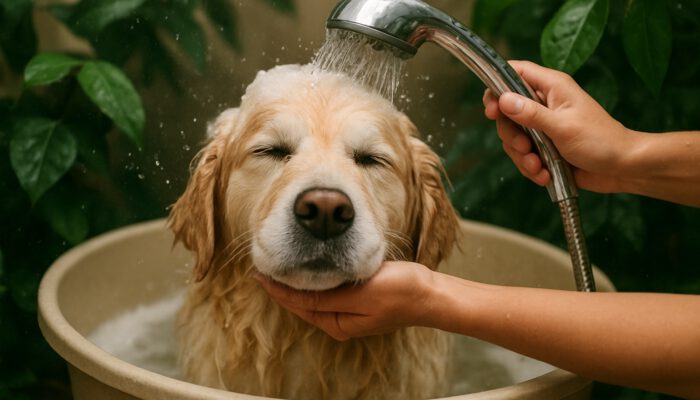
Water conservation involves proactive efforts to reduce water consumption in everyday activities, including pet baths. This practice is essential for minimising waste and ensuring the sustainable management of our crucial water resources. By adopting effective strategies for conserving water, pet owners can reap numerous benefits such as decreased utility bills and a positive influence on the environment. Implementing water-efficient practices during pet baths not only safeguards our precious water supply but also encourages responsible pet care. Below are several impactful strategies for conserving water while bathing your pets:
- Limit the frequency of baths according to your pet’s grooming needs.
- Utilise a bucket for rinsing instead of allowing a hose to run continuously.
- Choose water-efficient bathing tools like low-flow sprayers.
- Repurpose bath water for secondary uses, such as watering plants.
- Educate fellow pet owners on the significance of water conservation.
- Incorporate a timer to monitor bath duration.
- Support dog parks featuring washing stations that use recycled water.
- Encourage local initiatives focused on promoting water conservation.
By adopting these approaches, pet owners can develop a more conscious attitude toward water usage, ultimately contributing to a healthier and more sustainable planet.
Key Elements for Efficient Pet Bathing Practices
Effective planning is essential for reducing water usage during pet baths. By concentrating on crucial steps, pet owners can ensure their furry companions stay clean while promoting efficient water consumption. Start by evaluating your pet’s coat type and skin condition, as these characteristics dictate appropriate bathing frequency and methods. Tailoring the bathing routine not only enhances your pet’s hygiene but also significantly curtails unnecessary water waste, creating a more sustainable approach to pet care.
Preparing all necessary supplies ahead of time—such as biodegradable soaps, towels, and water-efficient sprayers—streamlines the bathing process and minimises water consumption. Bathing pets in a controlled environment, such as a bathtub or shower, enables better management of water flow, reducing splashing and waste. Additionally, employing a nozzle with a trigger lock can effectively regulate water flow. Integrating these elements into your pet bathing routine fosters improved water conservation habits and supports ongoing sustainability efforts.
Immediate Benefits of Water Conservation in Daily Routines
Incorporating water conservation techniques into pet baths brings immediate advantages that promote healthier routines and more efficient water management. For pet owners, the financial savings are often readily apparent. By decreasing water usage, you can lower utility bills, freeing up funds for essential pet care necessities such as high-quality food or necessary veterinary services. This financial advantage can significantly enhance the quality of life for both pets and their owners.
Moreover, embracing water-efficient habits cultivates a greater sense of accountability and mindfulness regarding resource consumption. By employing effective bathing methods, pet owners contribute to the global sustainability movement while enhancing their pets’ well-being. This commitment can inspire a ripple effect, encouraging others within the community to rethink their water usage habits. Ultimately, these practical approaches enrich the daily lives of both pet owners and their cherished companions.
How Can You Effectively Implement Water Conservation During Pet Baths?
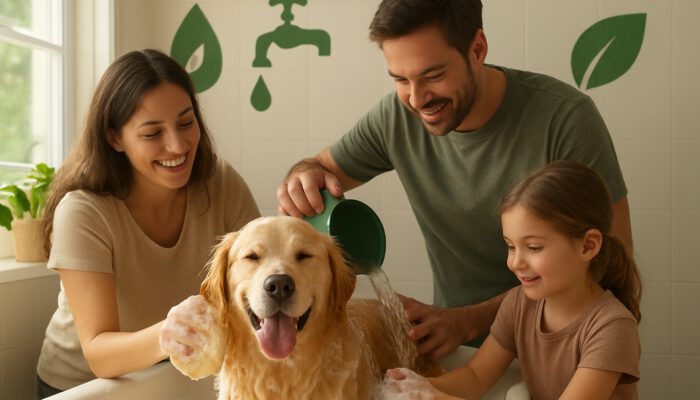
Practical Techniques to Minimise Water Consumption
Embarking on your journey towards water conservation during pet baths can be simple and effective through various techniques that significantly reduce water usage. One initial step is to monitor your pet’s bathing sessions with a timer. Setting a timer for 10 to 15 minutes fosters awareness about water consumption and prevents extended bathing sessions that can lead to excessive water wastage.
Selecting appropriate bathing tools that minimise water waste is another effective strategy. For example, using a handheld sprayer equipped with adjustable flow settings allows you to control water pressure based on your pet’s size and coat type. Alternatively, rinsing with a bucket can dramatically reduce water usage compared to traditional hose methods. Filling a bucket for rinsing instead of letting a hose run continuously can save significant gallons of water with each bath, leading to tangible conservation results.
Additionally, considering water temperature is vital for both comfort and conservation. Warm water enhances cleaning effectiveness, enabling shorter bathing times while ensuring your pet’s comfort. Lastly, opt for eco-friendly shampoos and conditioners that require less rinsing, effectively saving additional water while being gentle on your pet’s skin.
Essential Tools to Boost Water Conservation Practices
Equipping yourself with the right tools can make water conservation during pet baths a seamless aspect of your routine. Various devices can assist in measuring and controlling water flow, empowering pet owners to make informed adjustments. One such tool is a water flow meter, which can be installed in your indoor or outdoor plumbing systems. These meters provide real-time insights into water usage, allowing pet owners to modify their habits based on actual consumption.
Specialised bathing sprayers designed for pets often incorporate low-flow technology. These sprayers facilitate efficient rinsing while using significantly less water than standard hose attachments. Another valuable tool is a shower timer, which helps limit bathing duration and guides users to adhere to their water-saving objectives.
Investing in a quality grooming brush can also play a critical role in water conservation. An effective brush can eliminate excess dirt and debris before bathing, potentially decreasing the need for extensive rinsing. By utilising these tools, pet owners can promote consistent water-saving practices within their daily routines, fostering a culture of conservation in the pet care community.
Why is Monitoring Water Usage Progress Essential?
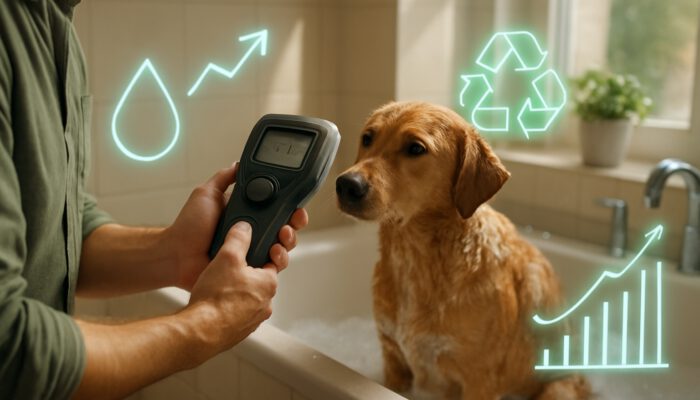
Monitoring water usage during pet baths provides invaluable insights that can lead to ongoing improvements. Keeping track of consumption helps identify specific areas for modification, offering a clearer understanding of your pet care water footprint. By maintaining records of water usage over time, pet owners can recognise patterns and evaluate the effectiveness of their conservation strategies.
Regularly assessing your water-saving practices ensures long-term success, as it allows for the adjustment of routines based on results. For instance, if a particular technique fails to yield the anticipated water savings, it can be replaced with a more efficient alternative. This proactive approach encourages continuous learning and adaptation, enriching conservation efforts further.
Moreover, sharing progress with fellow pet owners can cultivate a community of like-minded individuals dedicated to water conservation. Engaging in discussions about techniques and results not only holds pet owners accountable but also inspires others to adopt similar practices. Ultimately, tracking your progress in water conservation during pet baths serves as a powerful motivator for achieving sustainable habits.
Expert Insights on Effective Water Conservation in Pet Baths
Actionable Recommendations from Industry Professionals
Experts in pet care and environmental sustainability advocate for various actionable steps that optimise water conservation during pet baths. A fundamental approach involves assessing your pet’s specific grooming needs. This evaluation allows pet owners to adjust their bathing frequency, ensuring that baths are genuinely necessary rather than routine. Not all pets require frequent baths, and understanding when a bath is truly needed can significantly reduce water usage.
Additionally, specialists recommend utilising eco-friendly grooming products. Opting for biodegradable shampoos not only benefits the environment but also requires less rinsing, conserving precious water. Expert groomers often suggest using a spray bottle filled with diluted shampoo for efficient application, minimising excess water use.
Another effective practice is to create a routine that incorporates multi-tasking. For example, consider combining bath time with playtime in the yard, where the soapy water can be repurposed to nourish plants. This approach promotes efficient resource use while enhancing your pet’s overall experience. By integrating these expert-backed strategies into pet bathing routines, owners can maximise efficiency and contribute to a broader conservation effort.
Common Challenges and Practical Solutions for Water Conservation
Despite the best intentions, pet owners often encounter challenges when trying to implement water conservation techniques during baths. A common issue is the tendency to use excessive water in the pursuit of ensuring pets are thoroughly cleaned. Many pet owners may mistakenly equate longer baths with cleaner pets, resulting in unnecessary water waste.
To address this, experts recommend establishing clear guidelines for bath duration and encouraging owners to utilise visual and behavioural cues to determine when a pet is clean. Another challenge arises from a lack of awareness regarding actual water consumption, leading to unintended waste; thus, it is essential for owners to actively monitor their water flow.
Pet owners should also consider their bathing environment. When bathing in a tub, pets might splash and create more wastewater than anticipated. Employing a non-slip mat can help keep pets steady, reducing splashing. By tackling these common challenges with practical solutions, pet owners can make significant strides toward conserving water during pet baths.
Advanced Techniques for Enhanced Water Efficiency
For those eager to elevate their water conservation efforts, several advanced techniques can lead to substantial improvements in pet baths. One innovative practice involves utilising recycled water from other household activities. For example, gathering rainwater or repurposing leftover water from boiled vegetables can provide a sustainable water source for pet baths, promoting a closed-loop system.
Another advanced method is to integrate water-saving technology into your pet care routine. For instance, utilising a pet bathing station equipped with an integrated filtration system can reduce water consumption while providing cleaner water for pets. These systems are particularly popular in grooming salons and can be adapted for home use with some investment.
Establishing a communal pet washing station can also enhance efficiency. Such facilities—whether in neighbourhoods or local pet care centres—are designed to recycle water and minimise waste while offering a convenient bathing option. Lastly, educating and engaging with the local community about water conservation in pet baths can amplify efforts and inspire innovative practices throughout your area.
Recognising the Advantages of Water Conservation in Pet Baths
Benefits for Resource Management and Sustainability
Reducing water usage during pet baths plays a crucial role in broader resource management strategies. Every drop saved significantly contributes to the larger goal of sustainable living and environmental protection. By practising water conservation, pet owners not only cultivate better habits within their households but also foster a culture of awareness that can positively influence the wider community.
Effective resource management ensures that water remains accessible for various uses, particularly in regions facing water scarcity. By adopting sustainable bathing practices, pet owners can contribute to the preservation of freshwater resources, ultimately supporting ecological balance. Furthermore, such initiatives can prompt local policies aimed at promoting water-efficient practices across diverse sectors, reinforcing the importance of responsible resource management.
Engaging in discussions about water conservation can also strengthen community bonds. Pet owners who prioritise water efficiency often share their experiences and insights, encouraging others to embrace similar practices. Together, these small changes can yield significant impacts, nurturing a more resource-conscious society.
How Does Conserving Water Lead to Cost Savings?
Conserving water during pet baths directly translates to financial savings for pet owners. Each gallon saved reduces utility costs, making water conservation not only an environmentally friendly practice but also a financially wise decision. The cumulative effect of decreased consumption can lead to noticeable differences in monthly utility bills, allowing pet owners to allocate funds towards other essential pet care needs.
Moreover, adopting water-efficient techniques can lower the need for additional resources, such as cleaning supplies and grooming products, ultimately decreasing costs associated with pet hygiene. For instance, using less shampoo, conditioner, and water can result in fewer purchases of grooming products, contributing to long-term savings.
Raising awareness about these financial advantages can motivate more pet owners to embrace water conservation. Sharing stories of cost savings and successful conservation practices can inspire others to follow suit, creating community engagement around responsible pet ownership and resource management.
Long-Term Environmental Benefits of Water Conservation
Sustained efforts in water conservation during pet baths yield profound long-term environmental benefits. As pet owners make conscious choices to minimise water usage, they help alleviate pressure on natural ecosystems. Protecting watersheds becomes increasingly critical as populations grow and climate change affects water availability. By adopting water-saving practices, pet owners can become part of the solution to these pressing environmental challenges.
Over time, collective efforts can lead to significant reductions in overall water consumption, contributing to healthier waterways and ecosystems. By prioritising water conservation in daily routines, pet owners can ensure that local flora and fauna thrive, protecting biodiversity and promoting ecological health.
Additionally, the positive environmental impact of water conservation can extend beyond immediate surroundings. Engaging in responsible water usage fosters a legacy of sustainability, empowering future generations of pet owners to prioritise resource management and environmental stewardship. Ultimately, the cumulative effect of these efforts can result in healthier communities and a more sustainable planet.
Improving Pet Health Through Water Conservation Practices
Incorporating water conservation techniques into pet baths not only benefits the environment but also enhances pet health. Efficient bathing methods help prevent over-wetting, which can lead to skin irritations and infections. By using the right amount of water and specific cleaning products, pet owners can maintain optimal hygiene levels while minimising risks to their pets’ skin and coat health.
Moreover, conserving water allows pets to be bathed more frequently and efficiently, promoting better overall hygiene. This proactive approach reduces the chances of developing odours and skin issues, such as dryness or fungal infections, which can arise from improper bathing techniques.
Furthermore, promoting responsible pet care practices positively impacts animal welfare. When pet owners adopt water-efficient bathing methods, they prioritise the health and well-being of their companions, leading to happier, healthier pets. This commitment to proper care reinforces the bond between pets and their owners, fostering a responsible pet ownership culture that emphasises both environmental and animal health.
Research-Driven Benefits of Water Conservation in Pet Baths
Evidence Supporting Efficiency Improvements
Research indicates that water conservation during pet baths leads to measurable efficiency improvements. Studies show that pet owners who adopt water-saving practices can significantly reduce their water consumption, often by 30% or more, depending on the methods employed. These findings underscore the potential for substantial savings when pet owners receive education on effective bathing techniques and tools.
Experts have analysed data surrounding water usage in pet care, providing insights into specific practices that yield the best results. For instance, using a bucket instead of a hose can lead to dramatic reductions in water waste, illustrating that minor adjustments can have a significant impact.
Understanding these research-backed benefits can encourage more pet owners to prioritise conservation efforts. By presenting data and case studies that highlight successful water-saving techniques, it becomes easier for individuals to visualise the positive outcomes of their actions, motivating them to make meaningful changes.
Practical Applications of Research Findings in Pet Care
Applying research findings to pet bath conservation can generate real-world benefits that extend beyond individual households. Experts recommend several strategies that pet owners can utilise to effectively implement insights gained from studies. For example, adopting routine practices such as using less water during rinsing and limiting the frequency of baths directly aligns with findings from efficiency studies.
Additionally, pet owners can leverage technology, such as mobile applications designed to track water usage during baths. These apps offer guidance on best practices, helping to integrate research-supported techniques into daily routines. As pet owners become more aware of their water consumption, they can identify areas for improvement and make informed decisions that support ongoing conservation efforts.
Moreover, sharing these findings within local communities fosters a collective approach to water conservation. Pet owners can engage in discussions about the impacts of their practices and explore community initiatives aimed at promoting responsible water usage. This collaborative effort can lead to heightened awareness and participation in water conservation efforts across diverse communities.
Impacts on Overall Sustainability Initiatives
Conserving water in pet baths contributes to overarching sustainability goals, emphasising the interconnectedness of individual actions and global environmental health. Research suggests that when pet owners adopt water-efficient practices, the cumulative effect leads to reduced pressure on local water resources, thereby supporting broader sustainability initiatives.
By integrating water conservation into daily routines, pet owners can help mitigate the effects of climate change and resource depletion. These sustainable habits ultimately foster a culture of responsible pet ownership that prioritises environmental stewardship, ensuring that resources remain accessible for future generations.
Furthermore, the positive impacts of water conservation extend beyond just pet care. These practices can serve as a model for other areas of daily life, inspiring individuals to apply similar conservation techniques throughout their homes and communities. By championing water conservation in pet baths, pet owners can lead by example, fostering a movement toward sustainability that resonates on a larger scale.
What Challenges Do Pet Owners Face in Water Conservation During Baths?
Identifying Common Barriers to Conservation
Despite the clear benefits of water conservation in pet baths, several barriers can impede effective implementation. A prevalent challenge is the lack of awareness regarding the volume of water typically consumed during pet baths. Many pet owners may underestimate their water usage, leading to unintentional waste.
Another issue involves the ingrained habit of bathing pets with a hose or running water, which frequently results in significant waste. Transitioning from these traditional methods to more water-efficient practices can be challenging for some pet owners, especially if they are accustomed to established routines.
Moreover, misconceptions about the effectiveness of shorter baths can deter owners from reducing water usage. Some may believe that longer bathing sessions are necessary for maintaining cleanliness, resulting in unnecessary water waste. Recognising these barriers is the first step toward overcoming them and establishing effective water conservation practices.
How Can These Challenges Be Overcome?
Addressing obstacles to water conservation during pet baths requires strategic planning and practical solutions. One immediate step is to educate pet owners about the actual amount of water typically used during baths. Providing visual aids, such as charts or videos, can highlight the impact of various bathing methods, encouraging more efficient practices.
Another effective strategy involves implementing clear guidelines for bath duration based on pet size and coat type. For instance, larger breeds may require slightly longer sessions, but setting a maximum time limit can help pet owners remain conscious of their water usage.
Encouraging the use of water-efficient tools, like sprayers and buckets, can also help combat the habit of using a running hose. By providing resources, such as guides on selecting the right tools, pet owners can feel empowered to make more responsible choices. Here are some practical solutions for immediate implementation:
- Share success stories from others who have adopted water-saving practices.
- Host community workshops focused on effective water conservation techniques.
- Provide incentives for pet owners to adopt water-efficient methods.
- Develop educational materials that outline clear conservation guidelines.
By systematically addressing these issues, pet owners can cultivate a culture of water conservation that benefits both their pets and the environment.
Strategies for Achieving Water Conservation Success
Creating a comprehensive plan to navigate challenges is essential for the successful implementation of water conservation strategies in pet baths. One key strategy involves establishing specific, measurable goals for water usage. For instance, pet owners can aim to reduce their overall water consumption by a certain percentage over a defined period, providing a clear target to strive for.
Incorporating reminders and visual cues into your bathing routine can also reinforce conservation goals. Placing a note near the bathing area can serve as a gentle reminder to keep usage in check, while tracking progress can motivate continued efforts.
Building a support network of fellow pet owners can facilitate success. Engaging in discussions with others committed to conservation can provide practical tips and foster a sense of accountability. This collaborative approach can inspire innovative ideas for enhancing water efficiency.
Lastly, regularly reviewing and adjusting your conservation strategies based on progress can help ensure ongoing effectiveness. By evaluating what works and what doesn’t, pet owners can refine their practices to achieve even greater water savings in the future.
Monitoring and Evaluating Water Conservation Efforts
Effective water conservation in pet baths necessitates ongoing monitoring and evaluation to assess the impact of implemented strategies. By tracking water usage and outcomes, pet owners can identify areas for improvement, ensuring sustainability and adapting practices over time for long-term success. Establishing a tracking system—whether through a dedicated app, spreadsheet, or journal—facilitates this process.
Evaluating your conservation efforts should include analysing both quantitative data, such as the volume of water used per bath, and qualitative feedback, like your pet’s coat health and cleanliness. This dual approach provides a comprehensive view of your conservation impact and helps inform future practices.
Regularly engaging with the data collected encourages continuous learning. For instance, if you notice a spike in water usage, examining the circumstances surrounding those instances can yield insights into what changes may be necessary. By fostering a culture of monitoring and evaluation, pet owners can enhance their water conservation efforts and make significant strides toward more sustainable practices over time.
Why is Water Conservation Essential in Pet Baths?
Core Reasons for Implementing Conservation Practices
Water conservation in pet baths addresses fundamental needs for responsible resource management. As global populations increase and climate change poses serious threats to freshwater availability, adopting conservation practices has never been more critical. By prioritising water-saving techniques during pet baths, pet owners play an essential role in safeguarding resources for both their pets and the environment.
Moreover, these practices cultivate responsible usage habits across all aspects of life. When pet owners commit to conserving water, they foster a sense of accountability that transcends pet care, promoting a culture of sustainability that permeates communities. This commitment can lead to widespread awareness and action on environmental issues, amplifying the positive impact of individual efforts.
Ultimately, adopting water conservation practices is not solely about saving water but also represents an ethical responsibility that supports the well-being of pets and the environment. Every small action contributes to a larger movement toward sustainability, making it crucial for pet owners to lead by example.
The Role of Water Conservation in Everyday Habits
Integrating water conservation into pet baths reinforces positive behaviours, establishing it as an essential part of daily life. Creating routines that prioritise efficient water usage encourages pet owners to reflect on their consumption patterns, prompting a broader examination of resource use throughout their households.
As pet owners adopt water-saving techniques, they become increasingly aware of their environmental impact. This conscious approach to resource management can extend to other daily activities, such as laundry, dishwashing, and gardening, promoting a more sustainable lifestyle overall.
Furthermore, incorporating conservation into daily routines fosters a sense of achievement and fulfilment. Knowing that you are taking steps to protect the environment while caring for your pet enhances the bond between owner and pet and instils pride in responsible pet ownership.
What Makes Immediate Action on Water Conservation Necessary?
The growing demands on water resources highlight the urgency of adopting water conservation practices in pet baths. As populations increase and climate change exacerbates water scarcity, immediate action is needed to mitigate the risk of shortages and ensure the sustainability of this valuable resource for future generations.
The pet care industry must also proactively address these challenges. As consumers become more environmentally conscious, they seek brands and services that prioritise sustainability. Pet owners who adopt water-saving practices not only contribute to environmental efforts but also position themselves to meet the evolving expectations of responsible pet care.
Overall, the urgency of water conservation in pet baths reflects broader societal trends and challenges. By taking proactive measures now, pet owners can contribute to a more sustainable future, ensuring that water remains accessible for both pets and communities in need.
Sustainable Practices for Water Conservation in Pet Baths
Integrating Eco-Friendly Methods into Bathing Routines
Adopting sustainable techniques in pet baths focuses on long-term water use reduction, cultivating habits that align with broader conservation goals. One effective method is to utilise natural cleaning products that require less water. For instance, employing dry shampoos or waterless cleaning solutions can significantly decrease water usage while maintaining your pet’s hygiene.
Additionally, eco-friendly methods can include implementing indoor bathing practices when feasible. Using a basin or a portable bathtub can help control water flow and prevent excessive waste, allowing for a more focused use of water. Another aspect of sustainability involves ensuring that the products used during bathing are biodegradable and non-toxic, which positively impacts both pet health and the environment.
Incorporating eco-friendly practices into your bathing routine fosters a culture of sustainability within pet ownership. By making conscious choices that prioritise the environment, pet owners can inspire others to adopt similar methods, creating a collective impact that resonates throughout communities.
Routine Maintenance for Continued Effectiveness of Water Conservation
Regular maintenance is essential for ensuring that water conservation practices in pet baths remain effective over time. This includes cleaning and maintaining bathing equipment, such as sprayers and tubs, to prevent leaks and ensure optimal performance. A well-maintained system allows for more efficient water use, reducing the likelihood of unexpected waste during baths.
Additionally, pet owners should routinely assess their bathing techniques and tools. Engaging in periodic evaluations can help identify areas for improvement, ensuring that conservation efforts remain relevant and effective. For instance, if water usage appears to be rising, it may be time to revisit your techniques and make necessary adjustments.
Incorporating a maintenance schedule into your routine can promote consistent water conservation practices. Setting reminders for equipment checks and evaluations will help ensure that your bathing strategies remain sustainable and effective, contributing to long-lasting positive outcomes for both pets and the environment.
Enhancing Overall Habits for Water Efficiency
Combining various strategies in pet baths promotes a holistic approach to water conservation, fostering enduring and adaptable routines. One effective method is to integrate water-saving actions with other facets of pet care. For instance, planning grooming sessions around bath time can maximise the use of water and grooming products, ensuring efficiency across the board.
Moreover, adopting a sustainability mindset can lead to a wider examination of daily habits. Encouraging family members to participate in water conservation during pet bath time reinforces the importance of these practices and builds a sense of responsibility within the household.
Sharing your water conservation journey with friends, family, and local pet owner groups can also promote collective action. By engaging in discussions about successes and challenges, pet owners can learn from one another and collaboratively enhance their water-saving efforts.
Ultimately, nurturing a culture of sustainability within pet ownership ensures that water conservation becomes seamlessly integrated into daily life, resulting in lasting positive impacts on both pets and the environment.
Frequently Asked Questions about Water Conservation in Pet Baths
What are some simple ways to conserve water during pet baths?
Some straightforward methods include timing bath sessions, utilising a bucket for rinsing, and selecting water-efficient bathing tools. Additionally, consider using a spray nozzle to more effectively control water flow.
How does water conservation benefit my pet’s health?
Conserving water during baths prevents over-wetting, reducing the risk of skin infections and irritation. This approach promotes better overall hygiene for your pet.
What tools can assist with water conservation during pet baths?
Tools such as low-flow sprayers, water flow meters, and shower timers can aid in monitoring and limiting water usage during pet baths, making conservation more manageable.
Why is it important to track water usage in pet baths?
Tracking water usage helps identify areas for improvement and encourages accountability. Regular evaluation ensures long-term success in conservation efforts.
Can saving water lead to cost reductions in pet care?
Yes, conserving water can lower utility bills and reduce the need for frequent purchases of grooming products, contributing to overall savings in pet care expenses.
How often should I bathe my pet to conserve water?
Bathing frequency depends on your pet’s coat type and activity level. Many pets only require a bath every few weeks or months, allowing for reduced water usage.
What eco-friendly products should I use for pet baths?
Opt for biodegradable shampoos and conditioners that require less rinsing, minimising water waste while ensuring your pet remains clean and healthy.
How can I encourage others to adopt water conservation practices?
Share your experiences and successes with family and friends. Organise community events or workshops to raise awareness about the importance of water conservation in pet care.
Are there any community initiatives that promote water conservation in pet care?
Many communities offer workshops, resources, or pet care facilities that focus on sustainable practices. Check with local animal shelters or pet care organisations for upcoming events.
What are the long-term benefits of water conservation for the environment?
Long-term water conservation leads to reduced strain on natural resources, improved ecological health, and increased sustainability efforts within communities, contributing to a healthier planet overall.
Connect with Us on Facebook!
The Article Water Conservation in Pet Baths: Tips for Every Home First Published On https://elgatoencasa.com
The Article Pet Bath Water Conservation: Essential Tips for Homes Was Found On https://limitsofstrategy.com