Explore the Dynamic Culinary Landscape of San Miguel de Allende’s Cooking Schools
Why San Miguel de Allende’s Cooking Schools Are a Cut Above the Rest
San Miguel de Allende’s Cooking Schools are vibrant educational hubs committed to the culinary arts. These institutions offer an enriching opportunity for both budding chefs and passionate food enthusiasts to immerse themselves in both traditional and innovative cooking methodologies. Catering to individuals at every skill level—from complete beginners to experienced culinary professionals—these esteemed schools ensure that students benefit from the expertise of seasoned chefs who provide tailored instruction and personal mentorship. The distinctive attributes that make these cooking schools exceptional include:
- Interactive cooking classes designed to enhance practical skills through hands-on experience.
- A robust focus on both local and international cuisines, showcasing a diverse range of culinary traditions.
- Courses offered in multiple languages, predominantly English and Spanish, to cater to a diverse student base.
- Engaging cultural immersion activities, including visits to local food markets and culinary excursions that enrich the learning experience.
- Small class sizes that foster individualized instruction and attention.
- Access to state-of-the-art kitchen facilities equipped with professional-grade culinary tools.
- Networking opportunities with local chefs and culinary industry experts, enhancing career prospects.
These distinctive features position San Miguel de Allende’s Cooking Schools as an attractive option for anyone eager to develop their culinary prowess in an engaging and dynamic environment.
The Evolution of Culinary Education: A Historical Perspective
The transformation of culinary education is a captivating narrative that spans numerous centuries, reflecting the evolution of cooking techniques and the diverse food cultures around the world. Originally, culinary training was conducted through informal apprenticeships, where novice cooks learned alongside experienced chefs in a hands-on manner. Over time, this unstructured approach evolved into more formalised educational programs offered by dedicated culinary institutions. Significant milestones in this developmental journey include:
- The establishment of formal culinary schools in Europe during the 19th century, which marked a turning point in culinary education.
- The emergence of professional cooking competitions that celebrate skill and creativity in the culinary arts.
- The rise of celebrity chefs who have played a pivotal role in shaping culinary education and its popularity.
- The incorporation of a wide variety of global cuisines into the culinary curriculum, broadening students’ horizons.
- The advent of online cooking classes and virtual learning platforms that offer flexibility in culinary education.
- A growing emphasis on sustainability and health-conscious cooking in recent years, reflecting societal shifts in food consumption.
These milestones illustrate the ways in which culinary education has adapted to meet the evolving demands of the food landscape, resulting in the rich and diverse offerings found today, including those at San Miguel de Allende’s Cooking Schools.
The Multifaceted Benefits of Enrolling in a Culinary School
Enrolling in a culinary school, especially one as engaging as those in San Miguel de Allende, offers an array of benefits that extend well beyond the mere acquisition of cooking skills. Notably, students can significantly enhance their culinary abilities, mastering essential techniques applicable in both home cooking and professional environments. Moreover, the structured learning environment promotes invaluable networking opportunities with peers and industry leaders. Investing in culinary education not only paves the way for personal growth but also enriches one’s understanding of various cuisines and cultures. Other compelling advantages include:
- Building confidence in cooking skills and fostering self-expression through culinary creativity.
- Improved career opportunities within the food industry, opening doors to various career paths.
- Expertise in menu planning and artistic food presentation, essential skills for success.
- The ability to adapt cooking styles to accommodate diverse dietary preferences and restrictions.
- A deeper understanding of food sourcing and sustainability challenges faced in the culinary world.
These advantages collectively transform the experience of attending a cooking school into a profound journey of self-discovery and skill development for anyone passionate about food and the culinary arts.
In-Depth Look at the Unique Features of San Miguel de Allende Cooking Schools
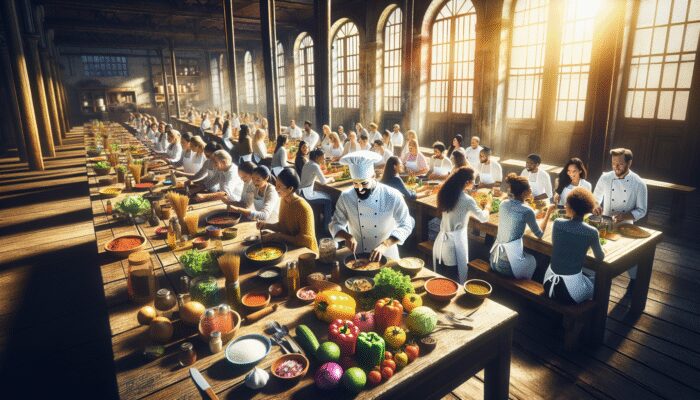
What Distinguishes San Miguel de Allende Cooking Schools from Other Institutions?
San Miguel de Allende Cooking Schools stand apart due to their immersive learning experiences that seamlessly blend practical cooking skills with rich cultural education. The programs predominantly centre around local cuisines, inviting students to delve into the vibrant flavours and unique ingredients that define the region. For instance, the curriculum often includes classes focusing on traditional Mexican cooking techniques, such as crafting tortillas from scratch or mastering the intricate art of mole preparation. Furthermore, these institutions frequently organise excursions to local markets, allowing students to select fresh ingredients that significantly enhance their culinary education. Notable programs that exemplify this uniqueness include:
- Culinary tours showcasing local food artisans and their traditional crafts.
- Hands-on workshops dedicated to the creation of traditional Mexican pastries and desserts, enhancing skill development.
- Classes that emphasise the incorporation of indigenous ingredients into contemporary cooking.
- Collaborative sessions with local chefs to provide specialised culinary experiences that elevate learning.
These elements collectively create a distinctive atmosphere that enriches both skill acquisition and cultural understanding, making the overall learning experience truly exceptional for all students.
Essential Considerations for Choosing Your Ideal Cooking School
Selecting the right cooking school necessitates careful evaluation of several key factors that can greatly influence your learning journey. Prospective students should thoroughly examine the curriculum to ensure it aligns with their culinary interests and career aspirations. Additionally, the expertise of the faculty is crucial; researching the backgrounds and qualifications of instructors can shed light on the quality of education provided. The duration of the program is equally important, as students must determine how much time they can dedicate to their culinary education. Furthermore, assessing the institution’s reputation and the success stories of alumni can offer valuable insights into the potential outcomes of the program. Practical steps for identifying the right cooking school include:
- Exploring school websites to review course offerings, schedules, and key information.
- Attending open houses or informational sessions to meet faculty members and learn more about the programs.
- Reading reviews and testimonials from former students to gauge their experiences and outcomes.
- Assessing the school’s facilities and available equipment to ensure they meet your culinary needs.
By following these steps, prospective students can make informed decisions that align with their educational goals and culinary ambitions, ensuring a fulfilling educational experience.
Alumni Insights: Reflecting on Their Culinary Education Experiences
Graduates of San Miguel de Allende Cooking Schools frequently provide insightful testimonials that underscore the significant impact of their culinary education. Many alumni highlight the comprehensive training they received, which equipped them with both practical skills and theoretical knowledge vital for their careers. The supportive community within these institutions fosters lifelong connections that students often cherish. Common themes in alumni feedback include the high quality of instruction, the school’s focus on hands-on learning, and the enriching cultural experiences that accompany their culinary training. Expert observations reveal that:
- Many alumni attribute their career growth to the skills acquired during their educational journeys.
- The community aspect promotes personal development and valuable networking opportunities.
- Students often express gratitude for the diverse course offerings that cater to a wide array of interests.
- Numerous alumni have successfully carved unique pathways within the culinary sector, such as restaurant ownership, catering, and food blogging.
This feedback reinforces the reputation of San Miguel de Allende Cooking Schools as pivotal institutions for aspiring culinary professionals, showcasing their role in shaping successful careers in the culinary arts.
Comprehensive Overview of Available Curriculum and Courses
Diverse Course Offerings at San Miguel de Allende Cooking Schools
San Miguel de Allende Cooking Schools provide an extensive array of courses tailored specifically for culinary enthusiasts across all skill levels. From intensive workshops designed for rapid skill acquisition to comprehensive professional programmes lasting several months, there is a course that caters to every individual’s interests. Popular offerings typically encompass key aspects of the culinary arts, such as:
- Baking and pastry arts, concentrating on techniques for crafting bread and exquisite desserts.
- International cuisines, featuring a diverse range of culinary traditions, including Italian, Thai, and notably, traditional Mexican cooking.
- Cooking for specific dietary needs, including vegan and gluten-free options to accommodate various preferences.
- Techniques in food plating and artistic presentation that enhance the overall dining experience.
These course offerings reflect a commitment to providing a diverse culinary education, allowing students to explore various culinary paths and develop their skills comprehensively, ensuring a well-rounded culinary foundation.
Specialisation and Advanced Programmes for Aspiring Culinary Professionals
The specialisation and advanced programmes at San Miguel de Allende Cooking Schools enable students to refine their expertise in specific areas of the culinary arts. These programmes cater to individuals looking to deepen their knowledge or transition into niche culinary fields. Focus areas may include wine pairing, molecular gastronomy, and regional cuisines, equipping students with an in-depth understanding of their chosen specialties. Examples of specialised programmes typically include:
- Advanced pastry techniques that delve into creating intricate desserts, pushing the boundaries of traditional baking.
- Wine and beverage management, covering pairing principles and service techniques essential for culinary success.
- Food science, exploring the chemistry and methods involved in culinary preparation to enhance understanding.
- Chef leadership programmes designed to prepare students for managerial roles in professional kitchens, focusing on team dynamics and kitchen management.
These advanced offerings ensure that graduates are well-prepared for leadership positions within the culinary industry, armed with both practical skills and theoretical knowledge essential for success.
Custom-Fitting Courses to Address Varied Skill Levels
Courses at San Miguel de Allende Cooking Schools are meticulously designed to cater to a broad spectrum of skill levels. Employing a tiered approach to culinary education ensures that everyone—from complete novices to seasoned chefs—can gain value from the instruction provided. Beginners can start with foundational courses that focus on essential techniques and ingredient knowledge, while advanced chefs can enrol in specialised classes that challenge their existing skills. This inclusive structure fosters a diverse learning environment, allowing students to progress at their own pace. For instance:
- Beginners might concentrate on essential knife skills and simple, foundational recipes.
- Intermediate students can explore international cuisines, expanding their culinary repertoire.
- Advanced chefs may tackle intricate techniques and develop their own menus.
- Workshops can vary in intensity, accommodating skill refinement across all levels and ensuring comprehensive development.
This thoughtful educational approach guarantees that every student finds value in their experiences and emerges as a more confident cook equipped with a diverse skill set.
Language Options Available for Culinary Courses
San Miguel de Allende Cooking Schools recognise the importance of accessibility in culinary education; thus, many courses are offered in multiple languages, predominantly English and Spanish. This multilingual approach caters to a diverse student population, allowing individuals from various backgrounds to fully engage in their culinary training. The availability of courses in both languages enhances communication and comprehension during practical cooking sessions, ensuring a richer learning experience. Additionally, this inclusivity fosters a sense of community among students. Language options may include:
- Fully bilingual classes where instruction occurs in both English and Spanish, ensuring clarity and understanding.
- Separate classes in English and Spanish, accommodating different language preferences and enhancing inclusivity.
- Translation support for non-native speakers during hands-on activities, ensuring comprehension and engagement.
- Language-specific materials and resources tailored to support diverse learning styles, enhancing the educational experience.
By providing courses in multiple languages, these schools empower students to pursue their culinary passions without the hindrance of language barriers, making culinary education genuinely accessible to all.
Accessing Course Materials and Resources for Enhanced Learning
Students at San Miguel de Allende Cooking Schools benefit from a wide array of materials and resources that enrich their learning journey. Whether through in-person interactions or online platforms, these resources are designed to bolster skill development and knowledge acquisition. Course materials may encompass comprehensive textbooks, curated recipe collections, and instructional videos, ensuring that students can revisit concepts outside classroom hours for reinforcement. Additionally, many schools offer:
- Access to online forums or communities for culinary discussions and peer support.
- Supplemental workshops focusing on specific techniques or cuisines to enhance skill sets.
- Library resources featuring culinary literature and historical texts to deepen knowledge.
- Opportunities for personalised mentorship with instructors, providing tailored guidance and feedback.
This extensive access to resources equips students to deepen their culinary knowledge and refine their skills both within and beyond the classroom setting, fostering a comprehensive educational experience.
Essential Techniques and Skills Cultivated at San Miguel de Allende Cooking Schools
Core Cooking Techniques Emphasised in the Culinary Curriculum
San Miguel de Allende Cooking Schools prioritise a comprehensive range of cooking techniques essential for mastering various cuisines and culinary styles. These techniques form the foundation of culinary education, equipping students with the necessary skills to excel in both home kitchens and professional environments. Among the critical techniques taught are:
- Knife skills encompassing proper handling, sharpening, and cutting methods, crucial for efficiency in the kitchen.
- Sauce making, vital for flavour development in countless dishes, enhancing overall culinary offerings.
- Baking techniques that cover everything from basic bread to intricate pastries, ensuring versatility in skills.
- Cooking methods, including roasting, grilling, and sautéing, which are fundamental to diverse culinary preparations.
Mastery of these essential techniques not only enhances students’ cooking capabilities but also instills confidence as they begin to explore varied recipes and styles. The curriculum’s emphasis on practical application ensures that students graduate with a robust skill set applicable in any culinary context, preparing them for future challenges.
Benefits of Hands-On Training in Culinary Skill Development
Hands-on training is a cornerstone of culinary education at San Miguel de Allende Cooking Schools, allowing students to practice and refine their skills in authentic kitchen environments. This experiential learning methodology ensures that students gain practical experience alongside theoretical knowledge, fostering a deeper comprehension of culinary techniques. Students engage in numerous activities, including:
- Collaborative cooking sessions designed to enhance teamwork and shared learning experiences.
- Receiving immediate feedback from instructors during practical exercises, which is crucial for skill enhancement.
- Engaging in recipe development and menu creation to foster culinary creativity and innovation.
- Experimenting with flavours and techniques in a supportive, constructive environment that encourages exploration.
This hands-on approach not only builds confidence but also inspires creativity, prompting students to think critically about their cooking decisions and techniques, which is invaluable in the culinary world.
The Fundamental Role of Knife Skills in Culinary Arts
Knife skills are the backbone of culinary arts, serving as the essential foundation for efficiency and safety in the kitchen. Mastering these skills is crucial for any aspiring chef, which is why they receive significant emphasis at San Miguel de Allende Cooking Schools. Proficient knife skills enable chefs to work swiftly and accurately, ensuring that ingredients are prepared correctly for a variety of dishes. Training in this area typically covers:
- The different types of knives and their specific uses in culinary preparation, enhancing versatility.
- Proper grip and cutting techniques tailored to various ingredients, ensuring safety and efficiency.
- Methods for sharpening and maintaining knife quality for optimal performance in the kitchen.
- Safety protocols to prevent accidents and ensure safe knife usage, which is essential in professional environments.
By stressing the importance of these critical skills, students not only enhance their overall cooking efficiency but also build confidence, preparing them for the fast-paced nature of professional kitchens where precision is paramount.
The Contribution of Baking Instruction to Culinary Mastery
Baking education at San Miguel de Allende Cooking Schools is a vital component of the culinary curriculum, covering essential techniques that significantly enhance students’ overall culinary capabilities. Baking requires precision and an understanding of chemical reactions, making it a unique aspect of culinary training. Instruction typically focuses on:
- Dough preparation, including kneading and fermentation techniques essential for creating high-quality bread.
- Pastry creation, which encompasses both sweet and savoury baked goods, expanding culinary versatility.
- Understanding the science of baking, including the roles of various ingredients and their interactions.
- Plating and presentation techniques specific to baked products to enhance visual appeal and dining experience.
These lessons not only contribute to a comprehensive skill set but also open pathways for various culinary opportunities, including specialisation in pastry arts or artisanal bread-making, enriching the culinary landscape.
The Significance of Sauce Making in Culinary Education
Sauce making is fundamental to culinary education, teaching students how to balance flavours and create textures that elevate dishes to new heights. At San Miguel de Allende Cooking Schools, students acquire foundational techniques for sauce preparation, which are crucial for enhancing the overall dining experience. Key components of sauce making include:
- Understanding the five mother sauces and their various derivatives for versatility and creativity.
- Techniques for thickening sauces and infusing flavours, enhancing the depth of culinary creations.
- Balancing acidity, sweetness, and spiciness to achieve harmonious flavour profiles that please diners.
- Pairing sauces with appropriate dishes to optimise flavour combinations and enhance the dining experience.
By mastering sauce making, students gain valuable insight into the significance of flavour profiles in cooking, ultimately enhancing their culinary creativity and effectiveness in the kitchen.
Research-Backed Advantages of Attending San Miguel de Allende Cooking Schools
How Culinary Schools Foster Career Advancement
Culinary schools, particularly those located in San Miguel de Allende, play a crucial role in promoting career development by equipping students with the skills and credentials essential for success in the culinary industry. Graduates typically experience improved job opportunities and can command higher salaries due to their formal training and hands-on experience. The combination of practical skills and mentorship from seasoned chefs prepares students for a multitude of roles within the food sector. Real-life success stories from graduates include:
- Alumni who have established thriving restaurants that showcase local and regional cuisine.
- Former students now serving as executive chefs in prestigious establishments, leading culinary teams.
- Graduates who have transitioned into food writing and culinary media, sharing their passion with the world.
- Individuals who have successfully started catering businesses, highlighting their entrepreneurial spirit.
These success stories underscore the transformative power of culinary education, highlighting its essential role in shaping professional trajectories within the culinary realm, ensuring graduates are well-prepared to make their mark.
Exploring the Psychological Benefits of Culinary Education
Beyond the acquisition of technical skills, culinary education offers substantial psychological benefits. Engaging in cooking nurtures creativity and self-expression while serving as a constructive outlet for managing stress. Students often find cooking to be therapeutic, as it encourages mindfulness and concentration, providing a respite from daily pressures. This hands-on activity also enhances social skills, as cooking frequently involves collaboration and sharing meals with others. Expert analysis suggests that:
- Learning to cook boosts confidence and self-esteem, leading to a profound sense of accomplishment.
- Cooking classes promote a supportive environment that cultivates friendships and a sense of community among peers.
- Experimenting with new recipes fosters resilience and adaptability, valuable traits in both culinary and life challenges.
- Developing culinary skills enhances problem-solving abilities applicable in various contexts, contributing to holistic personal growth.
These advantages contribute to overall personal development, making culinary education a valuable pursuit that extends beyond mere career-focused objectives, enriching students’ lives in multifaceted ways.
Encouraging Personal Growth Through Culinary Education
Cooking schools significantly contribute to personal growth by instilling a deeper appreciation for food and imparting vital life skills. Students often discover new passions, broaden their understanding of cultural diversity, and increase their knowledge of nutrition and wellness. Through culinary education, individuals learn to make informed decisions regarding ingredients and cooking methods, which promotes healthier lifestyles. The contributions to personal growth include:
- Encouraging creativity through experimentation with recipes and flavour pairing, enhancing culinary innovation.
- Developing practical skills that extend to everyday life, such as meal planning and preparation, improving overall life quality.
- Fostering cultural appreciation by exposing students to a variety of culinary traditions and histories.
- Enhancing self-discipline and time management skills in kitchen settings, essential for culinary success.
This multifaceted growth illustrates how culinary education transcends the kitchen, positively impacting various aspects of a student’s life, making it a holistic journey of self-discovery.
Promoting Cultural Understanding Through Culinary Education
Cooking schools play an integral role in fostering cultural understanding by immersing students in diverse cuisines and culinary traditions. By exploring the history and significance behind various dishes and ingredients, students gain insights into different cultures and their values. At San Miguel de Allende Cooking Schools, cultural education is woven into the curriculum, enhancing the overall learning experience. Key methods for encouraging cultural understanding include:
- Hands-on cooking classes that emphasise regional ingredients and preparation techniques, connecting students to local culinary heritage.
- Culinary excursions to local markets and food festivals for practical experience, enhancing cultural immersion.
- Workshops featuring guest chefs from diverse culinary backgrounds to share their expertise and insights.
- Discussions about the cultural significance of various food practices and culinary traditions, enriching students’ perspectives.
These educational experiences broaden students’ culinary horizons and deepen their appreciation of the global food landscape, fostering a more inclusive outlook on culinary arts and cultural diversity.
Health Advantages Associated with Culinary Education
Culinary education promotes healthier eating habits by educating students about nutrition, food safety, and the preparation of balanced meals. Students learn to make informed decisions regarding ingredient selection, cooking methods, and portion control, which is vital for maintaining a healthy lifestyle. Understanding the nutritional value of foods empowers individuals to create meals that support overall health and well-being. Key health benefits of culinary education include:
- Increased awareness of the importance of fresh, whole ingredients and their nutritional benefits in daily cooking.
- Skills to prepare nutritious meals from scratch, reducing reliance on processed foods and enhancing wellness.
- Knowledge of food safety practices, minimising the risk of foodborne illnesses and promoting safe culinary practices.
- Encouragement of mindful eating and portion management for better health outcomes and lifestyle choices.
Through culinary education, students are equipped to lead healthier lifestyles, fostering a positive relationship with food that enhances their overall well-being and quality of life.
Embracing Cultural and Culinary Immersion in Education
Integrating Cultural Education and Cooking in Culinary Schools
Cooking schools in San Miguel de Allende seamlessly integrate cultural education into their programmes, enriching the overall culinary experience for students. By educating students about the historical and cultural contexts that underpin various cuisines, schools adopt a holistic approach to culinary education. This integration deepens students’ understanding and appreciation of the food they prepare and the traditions they represent. Key methods for incorporating cultural education include:
- Lectures and discussions regarding the cultural significance of local ingredients and culinary practices, enhancing contextual understanding.
- Cooking classes that emphasise traditional preparation methods to preserve culinary heritage and local techniques.
- Field trips to local farms and markets to learn about sourcing ingredients responsibly and sustainably.
- Collaborations with cultural institutions that provide students with a broader cultural perspective and experiences.
This comprehensive educational approach transforms cooking into a cultural exploration, fostering deeper connections to the food students create and the traditions they represent, enriching their culinary journey.
The Role of Local Cuisine in Culinary Education
Local cuisine serves as a fundamental component of the curriculum at San Miguel de Allende Cooking Schools. By concentrating on regional dishes, students engage directly with the rich culinary traditions of Mexico, mastering recipes and techniques that are unique to the area. This focus enriches the educational journey and equips students with practical skills applicable in professional culinary settings. Key elements of integrating local cuisine include:
- Classes that instruct students on preparing traditional Mexican dishes, such as tamales and salsas, using authentic methods and ingredients.
- Exploration of local ingredients, including indigenous produce and herbs that define regional cooking.
- Instruction on traditional cooking techniques, such as utilising a comal for tortillas, preserving culinary heritage.
- Opportunities for students to create their interpretations of classic dishes, encouraging culinary creativity and personal expression.
This focus on local cuisine not only enhances culinary skills but also fosters a deeper appreciation for Mexico’s rich culinary heritage and traditions, creating well-rounded culinary professionals.
Immersive Experiences Awaiting Students in Culinary Education
Students at San Miguel de Allende Cooking Schools enjoy culinary immersion through a variety of interactive and engaging activities. These experiences transcend traditional classroom settings, allowing students to fully engage with the culinary arts. Hands-on cooking classes are complemented by food tastings and cultural excursions, providing a comprehensive understanding of the culinary landscape. Examples of immersive experiences include:
- Participating in local food festivals to learn about regional cooking practices and traditions firsthand.
- Engaging with local chefs and artisans to gain insights into traditional culinary methods and heritage.
- Conducting food tastings to explore flavour profiles and ingredient combinations, enhancing sensory skills.
- Visiting historical sites related to cooking and culinary traditions for a deeper cultural context and understanding.
Such immersive experiences cultivate a passion for food and cooking, making the educational journey both enriching and memorable for students, solidifying their culinary aspirations.
Future Trends Shaping Culinary Education
Emerging Trends Influencing Culinary Education
Emerging trends in culinary education reflect the evolving needs and interests of the culinary industry and its aspiring professionals. Trends such as sustainability, plant-based cooking, and technology integration are reshaping how culinary skills are taught and learned. These trends aim to prepare students for the future of the food industry. Noteworthy trends include:
- The incorporation of sustainable practices in cooking techniques and ingredient sourcing, aligning with global environmental goals.
- A focus on plant-based cooking and alternative proteins within culinary curricula, reflecting changing dietary preferences.
- The integration of technology in culinary education, including virtual cooking classes and online resources that enhance accessibility.
- An increasing emphasis on food science and nutrition in culinary programmes to meet modern health demands and consumer expectations.
By adapting to these trends, culinary schools remain relevant, ensuring that graduates are equipped to navigate the modern culinary landscape with confidence, creativity, and innovation.
The Impact of Technology on Culinary Education
Technology plays a pivotal role in shaping culinary education, facilitating new learning methods and enhancing accessibility to education. Innovations such as online learning platforms, virtual reality cooking simulations, and smart kitchen appliances are revolutionising the way culinary skills are imparted. Schools in San Miguel de Allende are progressively integrating technology into their programmes. Examples of this integration include:
- Online courses that empower students to learn at their own pace, accommodating diverse schedules and commitments.
- Virtual cooking competitions that encourage friendly challenges among students, inspiring creativity and skill development.
- Utilisation of apps for recipe management and nutritional analysis, enhancing learning efficiency and culinary knowledge.
- Interactive cooking platforms that provide real-time feedback from instructors, supporting skill development and refinement.
These technological advancements enrich the learning experience, making culinary education more engaging and accessible for students worldwide, regardless of their geographical location.
Looking Ahead: The Future of San Miguel de Allende Cooking Schools
The future of San Miguel de Allende Cooking Schools appears bright, with expected growth in specialised programmes and a continued emphasis on sustainable culinary practices. As the culinary landscape evolves, these institutions are well-positioned to adapt and thrive, focusing on innovative teaching methods and fostering global collaborations. Future developments may encompass:
- Expansion of international partnerships with culinary institutions worldwide to enhance learning opportunities and cultural exchange.
- Introduction of new programmes that focus on emerging cuisines and culinary trends to keep pace with industry demands.
- Upgraded facilities equipped with cutting-edge technology to support modern culinary education and skill development.
- A greater focus on wellness and nutrition within the culinary curriculum to meet changing consumer needs and preferences.
These advancements will further elevate the quality and impact of culinary education, solidifying San Miguel de Allende Cooking Schools as leaders in the culinary world and as institutions of excellence.
Frequently Asked Questions About Culinary Education at San Miguel de Allende Cooking Schools
What Types of Courses Are Offered at San Miguel de Allende Cooking Schools?
San Miguel de Allende Cooking Schools offer a diverse array of courses, including baking, international cuisines, and specialised workshops tailored for all skill levels and culinary interests.
Are Classes Available in Languages Other Than Spanish?
Yes, many classes are offered in both English and Spanish to accommodate a diverse student body, enhancing accessibility and inclusivity for all learners.
How Can I Select the Right Cooking School to Fit My Needs?
When choosing a cooking school, consider critical factors such as curriculum offerings, faculty expertise, program duration, and the success stories of alumni to ensure a good fit for your culinary journey.
What Benefits Can I Anticipate from Attending a Cooking School?
Enrolling in a cooking school enhances culinary skills, expands career opportunities, and fosters personal growth through a richer understanding of food and its cultural significance.
What Role Does Hands-On Training Play in Culinary Education?
Hands-on training is essential for developing practical skills, enabling students to apply their theoretical knowledge in real kitchen environments and significantly enhancing their overall cooking proficiency.
Can I Specialise in a Specific Area of Culinary Arts?
Yes, many San Miguel de Allende Cooking Schools provide specialisation programmes in areas such as pastry arts, wine pairing, and molecular gastronomy to cater to specific culinary interests and career goals.
How Do Cooking Schools Contribute to Career Growth?
Cooking schools equip students with vital skills and networking opportunities, significantly enhancing job prospects and facilitating career advancement within the culinary industry.
What Psychological Benefits Are Associated with Culinary Education?
Culinary education nurtures creativity, boosts confidence, and aids in stress management, contributing positively to mental well-being and overall quality of life for students pursuing culinary arts.
How Do Cooking Schools Promote Cultural Understanding?
Cooking schools expose students to a variety of cuisines, enhancing their appreciation for different cultures and the historical contexts surrounding their culinary practices, fostering inclusivity and respect for diversity.
What Health Benefits Can Culinary Education Provide?
Culinary education encourages healthier eating habits by teaching essential principles of nutrition, food safety, and balanced meal preparation, ultimately supporting improved overall health and well-being.
The Article: Cooking Schools in San Miguel de Allende: A Global Culinary Adventure appeared first on https://fallinginlovewithsanmiguel.com/
The Article Cooking Schools in San Miguel de Allende for Culinary Explorers Was Found On https://limitsofstrategy.com
References:
https://limitsofstrategy.com/cooking-schools-in-san-miguel-de-allende-for-culinary-explorers/