Enhance Your House Clearance Experience with the Right Packing Tape Choices
Discover the Varieties of Packing Tape Tailored for Your Needs
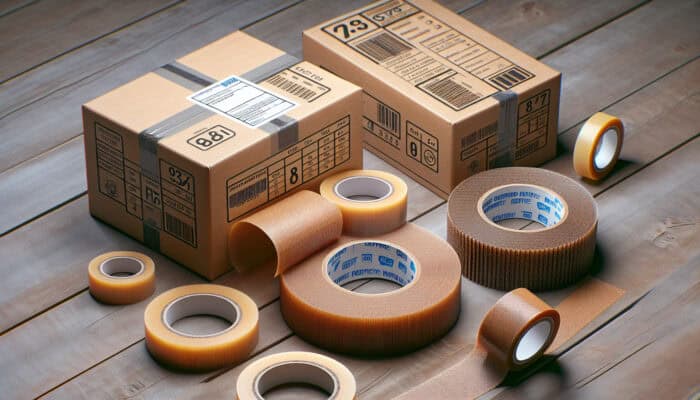
Packing tape serves as an indispensable tool for individuals embarking on a house clearance journey, featuring various types tailored for distinct packing requirements. The most prevalent types include clear tape, brown kraft tape, and reinforced tape. Clear tape is celebrated for its versatility, making it perfect for general packing tasks, as it allows for the visibility of the box’s contents. This characteristic is especially advantageous for labelling, enabling quick identification of items without the need to open boxes. On the other hand, brown tape, crafted from kraft paper, is preferred for its strength and professional appearance, making it an exceptional choice for items needing a refined presentation. Reinforced tape is specifically designed for heavy-duty purposes, containing embedded fibres that provide exceptional durability, making it ideal for transporting heavier or fragile items safely.
The choice of appropriate packing tape can significantly influence the smoothness of your house clearance experience. For lighter items, both clear and brown tape should generally suffice. However, when packing heavier or more delicate items, such as glassware, opting for reinforced tape becomes essential to avert mishaps during transportation.
The Importance of Selecting High-Quality Packing Tape
Utilising high-quality packing tape is critical for safeguarding your possessions throughout a house clearance process. When boxes are securely sealed using robust tape, the chances of damage occurring are considerably reduced. Inferior-quality tape can easily fail, resulting in boxes bursting open or items shifting, potentially leading to breakage or loss. By investing in strong packing tape, you not only protect your belongings but also enjoy peace of mind throughout the entire moving experience.
Moreover, premium tape adheres effectively to various surfaces, ensuring that boxes remain securely sealed even under the stresses of moving and transport. This factor is particularly crucial when items are stacked or subjected to vibrations during transit. Choosing the right tape can withstand these challenges, making it an essential component of any successful house clearance operation.
Guidelines for Choosing the Most Appropriate Packing Tape
Choosing the right packing tape necessitates a careful assessment of the items you intend to pack. The weight and fragility of your belongings will directly influence the type of tape you should select. For lightweight and non-fragile items, standard clear or brown tape will likely suffice. However, for heavier or fragile items, it is vital to opt for tape that offers superior strength and adhesive properties to ensure their protection.
When selecting tape, look for those with a tensile strength rating, indicating their ability to hold weight without breaking. Additionally, consider the tape’s width; wider options typically yield a stronger seal compared to narrower alternatives. The type of dispenser used for applying the tape is another essential consideration; a hand-held dispenser can facilitate smoother application and guarantee even coverage, thus enhancing efficiency.
Ultimately, conducting a thorough assessment of your packing needs will guide you in selecting the most suitable packing tape. When in doubt, always err on the side of caution and choose a stronger tape to guarantee the safety of your items.
Implementing Best Practices for Efficient Use of Packing Tape

Applying packing tape effectively is crucial for ensuring that boxes remain securely sealed throughout transit. Following best practices can dramatically enhance the efficiency of your packing process. First and foremost, ensure that you apply the tape evenly across the seams of the boxes to prevent weak points. This involves laying the tape flat and free of creases to maximise adhesion. It is advisable to apply two to three strips of tape over the seams for added security, particularly on larger boxes.
Additionally, when sealing boxes, ensure that all openings, including the top and bottom flaps, are completely covered. It is often helpful to start from the centre of the seam and work outward, ensuring that the tape adheres smoothly without any bubbles or gaps. When packing heavier items, do not hesitate to apply extra tape; it is always better to use a little more than risk compromising the safety of your belongings.
- Apply tape evenly and firmly across all seams.
- Utilise two to three strips for larger or heavier boxes.
- Commence from the centre of the seam and work outward.
- Guarantee no gaps or bubbles are present beneath the tape.
- For fragile items, consider double-taping seams for added security.
- Clearly label boxes after taping to avoid confusion.
- Store tape in a cool, dry location to maintain its adhesive quality.
Evaluating the Environmental Impact of Packing Tape Choices
In an era where environmental awareness is increasingly important, the impact of packing materials, including packing tape, plays a significant role during house clearance. Traditional packing tape is often produced from plastic, contributing to landfill waste. This highlights the necessity of considering environmentally friendly alternatives, such as biodegradable or recyclable tapes. These eco-conscious options not only fulfil the same functions as conventional packing tape but also provide peace of mind, knowing that you are minimising your environmental footprint.
When selecting packing tape, search for products labelled as recyclable or made from sustainable materials. Some brands even provide refillable dispensers to further reduce waste. By opting for these alternatives, you not only facilitate a more sustainable moving process but also educate others about the importance of making eco-friendly choices during their own clearances.
Choosing eco-friendly tape not only benefits the planet but also elevates your reputation as a responsible individual or organisation, which is particularly important for those involved in large-scale clearances.
Expert Insights into Packing Tape Essentials for Successful House Clearances
The Indispensable Role of Packing Tape in Your Moving Process

Packing tape is a fundamental component of any house clearance operation. Its primary function is to securely seal boxes, preventing items from falling out during transport or storage. This level of security is essential, particularly when moving fragile or valuable possessions. A well-sealed box guarantees that your items remain protected from damage, dirt, and moisture, thus preserving their condition throughout the moving process.
Furthermore, packing tape facilitates the organisation process. With clearly labelled and securely sealed boxes, labelling and identifying contents becomes a straightforward task, saving time and alleviating stress on a busy moving day. The efficiency of packing tape encompasses more than just sealing; it is a vital tool that significantly contributes to the overall success of a house clearance.
Additionally, the ease of use that quality packing tape provides can substantially simplify the packing process. Whether you are an experienced mover or managing your first house clearance, the right tape can make the task much more efficient and manageable.
Expert Assistance in Selecting the Right Packing Tape for Your Needs
Professionals in the moving industry offer invaluable insights when it comes to choosing the most suitable packing tape for various house clearance scenarios. For instance, expert movers often assess the unique requirements of each clearance project, taking into account factors such as the type and quantity of items to be packed, the distance of the move, and potential hazards during transport.
In practical instances, experts frequently recommend reinforced tape for heavy or fragile items, as it provides additional protection against the rigours of moving. They may also suggest clear tape for lightweight items that do not require as much support but need easy visibility for identification. Through their experience, these professionals can offer tailored advice, ensuring that you select the most appropriate tape for your specific circumstances.
Moreover, expert consultations can guide you on best practices for tape application, including tips on layering and ensuring a secure seal. This level of expertise can be especially beneficial for those who may lack confidence in their packing abilities.
Best Practices for Effective Use of Packing Tape
Utilising packing tape effectively is crucial for ensuring that your items remain well-protected throughout a house clearance. Following best practices not only secures your boxed items but also enhances the overall efficiency of the moving process. One fundamental practice is to apply the tape with sufficient pressure, ensuring that it adheres fully to the box. This helps to prevent the tape from peeling away during transit.
Another vital practice involves properly sealing the bottom of boxes before filling them with items. This precaution ensures that the weight of the contents does not cause the box to split open. Additionally, apply tape uniformly to avoid weak points that could lead to box failures.
- Apply tape with firm pressure for optimal adhesion.
- Always tape the bottom of boxes securely before packing.
- Use enough tape to cover all seams and openings adequately.
- Opt for wider tape for larger boxes to enhance strength.
- Label boxes clearly after sealing to eliminate confusion.
- Keep tape dispensers within easy reach for quick access during packing.
- Check the expiry date on tapes to ensure effectiveness.
Identifying the Best Packing Tape Types for House Clearance
Selecting the right type of packing tape can greatly influence the success of your house clearance. As previously mentioned, clear tape is suitable for general packing and allows for visibility, but may not provide the necessary strength for heavier items. Brown tape is an excellent option for those seeking a robust solution that offers a classic appearance, making it perfect for packaging fragile or valuable items professionally.
Reinforced tape stands out as the best choice for particularly heavy or fragile items, combining exceptional strength with durability. This type of tape features embedded plastic fibres, making it less prone to tearing or breaking under pressure. Furthermore, specialty tapes designed for specific weather conditions may prove advantageous for long-distance moves, where temperature fluctuations could affect the integrity of standard packing tape.
Ultimately, understanding the specific needs of your items will guide you in selecting the most suitable tape, ensuring that your house clearance proceeds smoothly and efficiently.
How to Store Packing Tape for Future Use Effectively
Proper storage of packing tape is essential for maintaining its quality and ensuring it remains usable for future house clearance projects. Store tape in a cool, dry environment, away from direct sunlight, as excessive heat can compromise the adhesive properties, rendering it less effective when needed. Keep the tape in its original packaging or a dedicated storage box to prevent it from becoming tangled or damaged.
If you have multiple rolls, consider utilising a tape dispenser that allows for easy access while protecting against dust and moisture. This not only keeps the tape in optimal condition but also expedites the packing process, as you will not have to deal with tangled rolls.
Regularly check your tape supplies, especially before a planned clearance, to ensure you have an adequate quantity of the types you require. Proper storage can significantly extend the life of packing tape and enhance your packing experience.
Matching Packing Tape to Box Sizes for UK House Clearance
Strategies for Effectively Matching Tape to Box Sizes
Correctly matching tape to box sizes is vital for a successful house clearance. The amount of tape required varies according to box dimensions; smaller boxes generally need less tape than larger ones. A helpful guideline is to ensure that all seams are securely covered, regardless of the box size.
For small boxes, a few strips of tape may suffice. However, for larger boxes, you will want to use multiple strips to guarantee that the contents remain secure. This not only prevents boxes from bursting open but also adds an additional layer of protection against potential damage during transit. Evaluating the size and weight of the items being packed will help determine the appropriate amount of tape needed for each box.
By ensuring that you have enough tape for each box size, you can streamline your packing process, reducing delays and frustrations on moving day.
Estimating Packing Tape Needs for Different Box Sizes
The amount of tape required for different box sizes can vary based on their intended use and contents. For instance, small boxes typically require around three strips of tape along the seams, while medium boxes may need approximately five strips to ensure security. Large boxes, particularly those containing heavier items, often require six or more strips to prevent any potential openings during transport.
When estimating the amount of tape needed, consider the dimensions and weight of the box. A heavier box may necessitate additional tape to ensure that it does not split during handling. Moreover, if your packing involves fragile items, using extra tape for reinforcement is highly advisable to avoid mishaps.
By taking these factors into account, you can ensure that you have sufficient packing tape on hand for all your boxes, thereby enhancing the efficiency of your house clearance process.
Common Box Sizes to Consider in UK House Clearance
Understanding the common box sizes utilised during house clearance in the UK is critical for effectively planning your packing strategy. Typically, boxes are categorised into three main sizes: small, medium, and large. Small boxes, which are often used for books and small appliances, generally measure around 30 cm x 30 cm x 30 cm. Medium boxes, ideal for clothing and kitchen items, typically measure 45 cm x 45 cm x 60 cm. Large boxes, suitable for larger items such as bedding or bulky toys, can measure up to 60 cm x 60 cm x 100 cm.
Familiarising yourself with these sizes facilitates better preparation concerning packing materials and the amount of packing tape required. Knowing the sizes of the boxes you will be using helps you determine how much tape to stock up on, ensuring that all boxes are sealed securely for the move.
Understanding these standard sizes also aids in budgeting for packing materials, as different sizes may necessitate varying amounts of tape for secure sealing and protection.
Utilising Packing Tape for Fragile Items in a UK House Clearance
Strategies for Protecting Fragile Items with Packing Tape
When undertaking a house clearance, safeguarding fragile items is a priority, and packing tape plays a crucial role in this process. Delicate items, such as glassware or ceramics, require additional layers of protection to ensure they arrive safely at their new destination. Employing reinforced packing tape can be especially beneficial in these situations, providing a secure seal that withstands the bumps and jolts of moving.
One effective strategy is to utilise packing tape to reinforce boxes containing fragile items. This may involve applying extra strips of tape along the seams and edges to prevent boxes from splitting open during transport. Furthermore, consider wrapping fragile items in bubble wrap or packing paper before placing them in boxes, and then using tape to secure the wrapping in place.
By taking these precautions, you can significantly minimise the risk of breakage and ensure that your delicate belongings arrive intact. The correct use of packing tape in this context is not merely about sealing boxes; it is about enhancing the overall safety of your items during the moving process.
Implementing Effective Techniques to Secure Fragile Items
Securing fragile items during a house clearance demands careful packing and the implementation of effective techniques to protect them adequately. One approach is to double-tape seams, which adds an extra layer of security to prevent boxes from opening unexpectedly. This technique is particularly useful for boxes filled with delicate items, as it reinforces the structure and reduces the risk of breakage.
Another effective method involves using additional tape to create internal supports within the boxes. This could include taping small, rigid pieces of cardboard around delicate items to provide extra cushioning against movement. Moreover, consider using tape to secure items in place within their boxes, which can help prevent them from shifting during transit.
- Double-tape seams for enhanced security.
- Create internal supports using cardboard and tape.
- Utilise bubble wrap or packing paper to cushion fragile items.
- Secure items in place within the box using extra tape.
- Label boxes containing fragile items clearly to prevent mishandling.
- Consider using foam inserts for high-value items to protect them from damage.
- Fill any empty spaces in boxes to prevent movement of contents.
The Role of Packing Tape in Ensuring the Safety of Fragile Items
Packing tape is vital for protecting fragile items during a house clearance, serving as the primary means of securing boxes that contain delicate possessions. By reinforcing boxes with quality packing tape, you create a barrier that helps contain and protect fragile items from external impacts and vibrations that may occur during transport. This is crucial, as even minor shocks can lead to breakage if items are not properly secured.
Additionally, packing tape can immobilise delicate items within their boxes, ensuring they do not shift during transit. This added stability is key to preventing damage and maintaining the integrity of the items being moved. The combination of careful packing techniques and strong packing tape significantly enhances the safety of fragile items, reducing the risk of damage during the moving process.
Ultimately, effectively using packing tape can be the difference between a successful move and one marred by unfortunate incidents.
Proven Strategies for Packing Tape Essentials During House Clearance
Reliable Strategies for Efficient Packing Tape Use
When it comes to using packing tape effectively, certain strategies have become established best practices. First and foremost, using high-quality tape is crucial; selecting tape specifically designed for moving ensures it will withstand the stresses of transport. This includes choosing tape with strong adhesive properties and suitable tensile strength for the items being packed.
Another reliable strategy is to apply the tape correctly. This involves ensuring that tape is applied evenly without bubbles or gaps that could compromise the seal. Furthermore, using the right amount of tape is vital; it is always better to use extra tape than to risk a box coming undone during transport. This proactive approach to packing will safeguard your belongings and enhance the overall moving experience.
By adopting these trustworthy strategies, you not only protect your items but also reduce the stress associated with house clearance. Ensuring that your boxes are securely packed provides peace of mind, allowing you to focus on other important aspects of the move.
Effectively Implementing Trusted Strategies for Packing Tape
Implementing trusted strategies for using packing tape involves a combination of thoughtful planning and proper execution. Begin by assessing your packing needs, considering the types and quantities of items you will be moving. This evaluation will guide you in selecting the appropriate packing tape and determining the quantity required.
Once you have your materials, create a packing plan that outlines the order in which you will pack items. This plan should incorporate best practices for using packing tape, such as starting with smaller items and gradually transitioning to larger ones. Additionally, ensure that all necessary packing materials, including tape dispensers and scissors, are readily accessible to streamline the process.
Training yourself or your team on effective tape application techniques can also improve efficiency. This includes mastering proper sealing methods, understanding how to reinforce seams, and knowing when double-taping is necessary for added security. By following a structured approach, you will discover that your packing process becomes more manageable and less stressful.
The Benefits of Implementing Trusted Strategies for Packing Tape
Implementing trusted strategies for using packing tape during house clearance offers numerous advantages. Firstly, these practices enhance the security of your belongings, significantly reducing the risk of damage during transport. When boxes are properly secured, items are less likely to shift or break, leading to a more seamless moving experience.
Moreover, adopting these strategies can save time and effort. Efficient packing techniques minimise the need for redoing tasks or dealing with damaged items, which can be both time-consuming and frustrating. Additionally, using high-quality tape and adhering to best practices conveys a level of professionalism that reflects positively on your overall moving efforts.
Ultimately, the benefits of trusted strategies extend beyond just securing items; they contribute to a more organised and less stressful house clearance process.
Addressing Environmental Considerations in UK House Clearance with Packing Tape
Exploring Eco-Friendly Packing Tape Options
As consumer demand for environmentally friendly products rises, eco-friendly packing tape options have emerged as viable alternatives for house clearance. Biodegradable tapes, made from natural materials, break down more easily in landfills, significantly lessening environmental impact. Similarly, recyclable tapes produced from recycled materials contribute to a circular economy, minimising waste.
Some brands have even developed compostable packing tape, which provides the same durability as traditional options but decomposes in composting environments. Opting for these eco-friendly choices not only helps protect the planet but also aligns with a growing consumer commitment to sustainability.
In the UK, where awareness of environmental issues is steadily increasing, using eco-friendly packing tape can enhance your reputation as a responsible individual or business. As more people strive to reduce their ecological footprint, adopting sustainable practices during house clearance can help you stand out from the competition.
Advantages of Using Eco-Friendly Packing Tape
The advantages of using eco-friendly packing tape are multifaceted. Firstly, these products significantly reduce waste, promoting a more sustainable approach to moving and packing. By choosing biodegradable or recyclable options, you engage in responsible consumption that aligns with environmental objectives.
Additionally, eco-friendly packing tape typically features high-quality materials that perform well without sacrificing strength or reliability. This means you can effectively secure your items while also making an environmentally responsible choice. Furthermore, many consumers are drawn to brands that prioritise sustainability, enhancing your credibility as a conscientious mover.
Moreover, using eco-friendly tape can provide a sense of satisfaction, knowing that you are positively contributing to the environment during your house clearance. This alignment between personal values and practical actions creates a more harmonious moving experience.
Responsible Disposal Methods for Packing Tape
Responsible disposal of packing tape is critical for reducing environmental impact. The first step is to determine whether the tape is recyclable or biodegradable, as disposal methods may vary based on the material. Many packing tapes cannot be recycled due to their plastic components, so it is essential to understand the specific product you are using.
For recyclable options, ensure that they are clean and free from debris before placing them in recycling bins. For biodegradable tapes, composting is an ideal method; however, ensure they are placed in appropriate composting facilities that can effectively process them.
- Check the type of tape before disposing of it.
- Recyclable tape should be clean before recycling.
- Consider composting biodegradable tapes.
- Avoid combining tape with non-recyclable materials during disposal.
- Educate others about responsible disposal methods.
- Participate in local recycling initiatives to promote sustainability.
- Store tape separately from general waste to encourage proper disposal.
- Research local regulations regarding the disposal of packing tape.
Final Tips for Effective Packing Tape Use During House Clearance
Key Recommendations for Efficient Packing Tape Utilisation
Utilising packing tape effectively is integral to a successful house clearance. One of the key tips is to use an adequate amount of tape; underestimating your needs can lead to unsecured boxes, posing risks during transport. Additionally, applying tape evenly promotes a strong seal that can withstand the rigours of moving.
Choosing the right type of tape for your specific needs is equally critical. Whether you opt for clear, brown, or reinforced tape, ensure that it aligns with the weight and fragility of your items. Finally, remember to label boxes clearly after sealing, as this will simplify the unpacking process and help you keep track of your belongings.
Essential Takeaways for Using Packing Tape Effectively
The essential takeaways from effectively using packing tape during house clearance include understanding the importance of quality tape and the necessity for proper application. A strong seal is paramount for protecting your belongings, and selecting the right tape for your unique needs can make all the difference. Additionally, eco-friendly options are available to reduce environmental impact and promote sustainability.
Being aware of best practices, such as double-taping seams for fragile items and using adequate quantities of tape, can significantly enhance the security of your packed items. In summary, approach packing with a well-thought-out plan and utilise packing tape wisely to ensure a smooth and successful house clearance.
Guaranteeing Success in House Clearance with Packing Tape
To ensure a successful house clearance with packing tape, begin by carefully planning your packing strategy. Assess the items you need to clear and select the appropriate tape based on their weight and fragility. Always maintain a sufficient stock of high-quality tape to prevent interruptions during the packing process.
Implement best practices for applying tape, such as ensuring even application and adequate sealing, to enhance the safety of your items during transit. Finally, consider the environmental impact of your choices; opting for eco-friendly tape can positively contribute to your overall house clearance experience.
Frequently Asked Questions About Packing Tape
Which Type of Packing Tape is Best for Fragile Items?
Utilising reinforced packing tape is ideal for fragile items, as it provides superior strength and durability, ensuring that boxes remain securely sealed during transport.
Is Packing Tape Recyclable?
Most packing tape is not recyclable due to its plastic composition. Always check local recycling guidelines for specific instructions.
How Do I Select the Right Packing Tape?
Evaluate the weight and fragility of your items, then choose a tape with adequate tensile strength and adhesive properties suitable for your specific packing requirements.
What Are Some Eco-Friendly Packing Tape Options?
Eco-friendly options include biodegradable and recyclable packing tapes, which help minimise environmental impact during house clearance.
How Much Packing Tape Do I Need for a Large Box?
For a large box, you may require six or more strips of packing tape, depending on the weight and nature of the items inside.
What Are the Advantages of Using High-Quality Packing Tape?
High-quality packing tape ensures better adhesion, stronger seals, and greater durability, thus reducing the risk of damage to your belongings during transport.
What Is the Best Way to Store Packing Tape?
Store packing tape in a cool, dry place, away from direct sunlight, to maintain its adhesive qualities and prevent damage.
Can I Use Clear Tape for Heavy Items?
While clear tape can suffice for lightweight items, it is advisable to use reinforced tape for heavy items to ensure secure sealing.
What Is the Recommended Method for Labelling Boxes After Sealing?
Use a marker to write clear labels directly on boxes after sealing, ensuring that contents can be quickly identified without opening them.
How Can I Dispose of Packing Tape Responsibly?
Check if your tape is recyclable; if not, dispose of it according to local waste management guidelines. Consider composting biodegradable options if available.
Connect with us on Facebook!
The Article: Packing Tape Essentials for House Clearance: UK Guide Was First Found At https://birminghamhouseclearance.com
The Article Packing Tape Essentials: Your UK Guide for House Clearance Was Found On https://limitsofstrategy.com