Maximise Your Grilling Success with BBQ Heat Mapping Techniques
Understanding BBQ Heat Mappers: Innovative Tools for Perfect Grilling

BBQ heat mappers are advanced technology tools that meticulously assess the temperature distribution across your grill’s surface. This technology is essential for ensuring that your culinary creations are cooked evenly and to perfection. By pinpointing areas of intense heat and cooler spots, BBQ heat mappers equip you with the knowledge to enhance your cooking techniques and timing, resulting in succulent grilled meats, colourful vegetables, and an array of other dishes. Whether you are a devoted backyard griller or a seasoned professional pitmaster, integrating a heat mapper into your grilling routine can significantly elevate your skills and the quality of the meals you serve.
By incorporating heat mapping technology into your barbecuing practices, you not only improve the quality of your meals but also enrich the overall grilling experience. Picture presenting flawlessly seared steaks with a delectable crust, paired with juicy, tender chicken—this is the pinnacle of grilling achieved through the strategic use of BBQ heat mappers. Their user-friendly design and substantial influence on cooking outcomes have made them essential tools in contemporary barbecuing.
Dive into the Diverse Range of BBQ Heat Mappers on the Market
Various types of BBQ heat mappers are available to cater to different grilling styles and individual preferences. The primary categories include digital heat mappers and analog alternatives. Digital heat mappers typically offer precise temperature readings displayed on an easy-to-read screen, often featuring colour-coded indicators to represent various heat levels. This intuitive design is particularly beneficial for novices, as the visual cues allow for quick comprehension of temperature zones at a glance.
Conversely, analog heat mappers, which may consist of thermal stickers or basic heat-sensitive pads, are often preferred by purists and those who enjoy a more tactile approach. They are generally more budget-friendly and do not require batteries, making them a dependable option for those who appreciate simplicity. Regardless of the type you opt for, the key is to choose a heat mapper that aligns with your grilling aspirations and comfort level.
Discover the Numerous Advantages of Incorporating BBQ Heat Mappers into Your Grilling
Integrating BBQ heat mappers into your grilling process can substantially enhance your culinary results. Here are several compelling benefits:
- Provides accurate temperature readings to improve your cooking control and precision.
- Identifies hot spots and cooler areas on your grill for optimal food arrangement.
- Ensures consistent cooking across a variety of food types, improving overall quality.
- Minimises the risk of overcooking or undercooking your meals, promoting food safety.
- Enhances flavour by allowing for optimal cooking temperatures tailored to each ingredient.
- Increases overall grilling efficiency and effectiveness, making your cooking sessions more enjoyable.
- Facilitates strategic planning for multi-zone cooking, allowing for simultaneous food preparation.
By leveraging these advantages, you can not only refine your grilling skills but also impress friends and family with perfectly cooked barbecue dishes. Consistency and precision are paramount in the grilling realm, and BBQ heat mappers provide the insights necessary to achieve those standards.
Effective Strategies for Using BBQ Heat Mappers to Achieve the Best Results
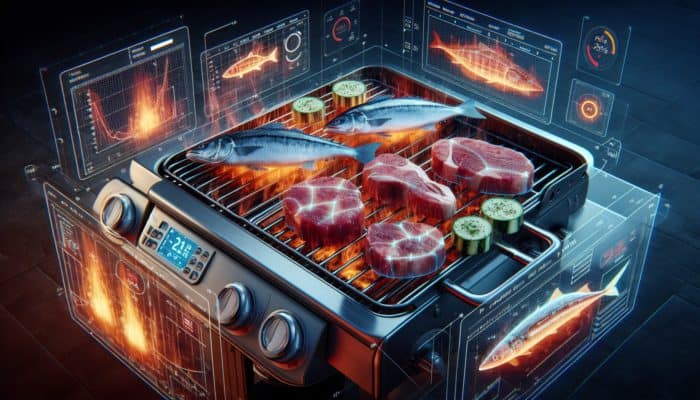
To fully realise the benefits of BBQ heat mappers, begin by placing them on the grill’s surface prior to commencing cooking. This initial step is critical for gathering accurate data regarding the temperature distribution on your grill. Once positioned, keep a close eye on the readings, as they will reveal the various temperature zones present across your cooking surface. As you analyse the results, adjust your food placement accordingly. For example, if you identify a hot spot, place thicker cuts of meat there for optimal searing, while more delicate items like fish can be positioned in cooler areas to prevent overcooking.
This approach enhances your ability to achieve the desired doneness for each item and enables you to manage multiple food items concurrently. For optimal results, consider the timing; allow the heat mapper to rest on the grill for several minutes to obtain stabilised readings before you start cooking. This practice provides a clearer understanding of how heat is distributed across your grill, leading to superior cooking outcomes.
Key Factors to Consider When Selecting the Perfect BBQ Heat Mapper
Choosing the right BBQ heat mapper is essential for maximising your grilling capabilities. Consider your grill type and cooking style as vital factors in your decision-making process. Look for heat mappers that provide a balance of precision, usability, and compatibility with your specific grill setup. For instance, if you utilise a gas grill, a digital heat mapper may prove more effective due to its quick response times and accuracy.
Additionally, assess features that can enhance your grilling experience. Some heat mappers come equipped with built-in timers or smartphone connectivity, allowing you to monitor temperatures remotely, which is particularly useful for extended cooking sessions. Understanding your unique grilling needs and how often you barbecue can significantly influence the type of heat mapper that will best suit you, ensuring your investment yields satisfying results every time.
Prepare Your BBQ Heat Mapper for Grilling Success
Essential Steps to Properly Prepare Your Grill for Mapping
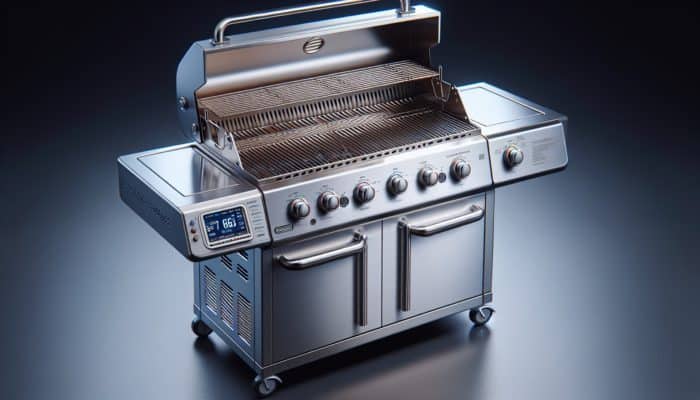
Before using a BBQ heat mapper, ensuring your grill is properly prepared is crucial. A clean grill guarantees accurate temperature readings without interference from leftover food or grease. Follow these steps to get your grill ready:
- Thoroughly clean the grill grates to eliminate any debris or old residue that could affect readings.
- Inspect and empty the grease tray to prevent flare-ups during cooking.
- Preheat your grill to the desired cooking temperature, typically between 225°F and 450°F.
- Allow the grill to stabilise for about 10-15 minutes before placing the heat mapper.
Taking the time to prepare your grill not only influences heat readings but also enhances the overall cooking process. An adequately preheated grill promotes better browning and cooking times, setting the stage for a successful grilling experience.
Correct Positioning of the Heat Mapper on the Grill for Accurate Readings
Once your grill is ready, the next step is to position the BBQ heat mapper correctly on the grill surface. Ensure it covers the entire area you plan to map to collect comprehensive data on heat distribution. It’s essential that the mapper is stable and secure to prevent any shifts during cooking that could lead to inaccurate readings.
In some instances, using multiple heat mappers across the grill may be advantageous to capture temperature variations in different sections, particularly for larger grills or those with uneven heat distribution. This strategy will provide a more detailed understanding of your cooking surface, enabling you to make informed decisions regarding food placement and cooking techniques.
Identifying the Ideal Temperature Range for Grilling Various Foods
The ideal grilling temperature can vary considerably depending on the food being prepared. Generally, aim for a temperature range between 225°F and 450°F for most items. For example, lower temperatures are excellent for smoking meats or slow-cooking larger cuts, while higher temperatures are perfect for searing steaks or grilling burgers. Understanding these temperature specifics is vital for successful barbecuing.
When consulting your BBQ heat mapper, you will observe different zones marked by various colours. As you become more adept at interpreting these maps, you will learn the optimal temperatures for different foods. Utilising this knowledge allows for better planning of your grilling, ensuring that each item is cooked flawlessly without compromising flavour or texture.
Expert Strategies for Mastering BBQ Heat Mappers
Effective Interpretation of Heat Map Data for Optimal Cooking
Interpreting heat map data is a crucial skill when utilising a BBQ heat mapper. Understanding colour gradients is key; red areas indicate hot spots, while blue areas signify cooler zones. This visual representation aids you in adjusting your grilling technique effectively. For instance, if a specific section of the grill appears red, it is ideal for searing meats, while blue zones can be employed for low-and-slow cooking, such as smoking ribs or briskets.
Real-world scenarios illustrate the importance of this interpretation skill. Imagine grilling a variety of foods, such as chicken, vegetables, and sausages. By placing your heat mapper on the grill and observing the readings, you may discover that the centre is noticeably hotter than the edges. This insight allows you to adapt your cooking strategy by positioning chicken in the centre for quicker cooking while keeping sausages on the cooler edges to avoid overcooking.
Adjusting Cooking Zones Based on Heat Map Insights for Enhanced Results
Utilising data from your BBQ heat mapper to create and manage different cooking zones is a sophisticated yet rewarding technique that can transform your grilling experience. Based on the heat map results, you can determine where to place your food for optimal cooking outcomes. For example, if you identify a hot spot, it’s the perfect area for thicker cuts of meat that require a good sear. Conversely, cooler regions are ideal for more delicate items such as fish or vegetables, which can easily overcook if placed in hotter zones.
Implementing this strategy not only improves your cooking results but also enables you to grill multiple items at once, each achieving its perfect doneness. Understanding these cooking zones turns your grill into a versatile cooking appliance, allowing you to execute a variety of dishes simultaneously without sacrificing quality.
Avoiding Common Pitfalls When Using BBQ Heat Mappers
When utilising BBQ heat mappers, being mindful of common mistakes can greatly enhance your grilling experience. Frequent pitfalls include misinterpreting the temperature scale, failing to allow adequate time for the grill to stabilise, and neglecting to recalibrate the mapper before use. Misreading temperatures can lead to improperly cooked food, while rushing the stabilisation phase can yield inaccurate readings.
Moreover, calibrating your heat mapper is essential for ensuring accuracy. This process guarantees that the readings you receive are reliable and can be trusted for optimal cooking. By recognising these potential pitfalls and taking proactive measures to avoid them, you can create a smoother grilling experience with superior results every time.
Enhancing Your Grilling Skills with BBQ Heat Mapping Techniques
Achieving Cooking Consistency Through Effective Heat Mapping Practices
BBQ heat mapping plays a vital role in maintaining uniform cooking temperatures across your grill. This consistency is critical in reducing the risk of overcooking or undercooking food, leading to improved overall results. When you are aware of where the hot spots are and adjust your food placement accordingly, you can ensure that each item is cooked evenly, resulting in a more enjoyable dining experience.
Consistency not only enhances taste but also improves the texture and juiciness of your food. For instance, meats cooked at fluctuating temperatures tend to yield dry or tough results. By leveraging heat mapping technology, you create an environment where each item on your grill benefits from steady heat, resulting in juicier, more succulent dishes that your guests will rave about.
Strategies for Effectively Reducing Hot Spots on Your Grill
Identifying and managing hot spots is one of the primary benefits of using a BBQ heat mapper. These devices allow you to pinpoint areas of elevated heat, which can be especially advantageous when grilling larger cuts of meat or cooking multiple items simultaneously. By recognising where the hot spots are, you can avoid placing all your food in these areas, decreasing the likelihood of uneven cooking.
This skill proves particularly advantageous during cookouts when you’re grilling a variety of items at once. By using your heat mapper to strategically arrange your food based on the identified temperature zones, you can ensure that everything cooks to perfection at the same time. This not only streamlines the cooking process but also allows you to impress your guests with flawlessly executed dishes.
The Impact of Heat Mapping on Food Quality and Flavour
Heat mapping can significantly influence the flavour profile of your grilled items by ensuring they are cooked at the optimal temperature. Cooking foods at incorrect temperatures can lead to charring on the outside while leaving the inside undercooked—a surefire way to compromise flavour. By utilising your BBQ heat mapper, you can prevent such outcomes, ensuring that each ingredient is thoroughly cooked and at the right temperature.
For example, when grilling vegetables, achieving the right temperature is essential for caramelisation, which enhances their natural sweetness and flavour. Similarly, meats cooked at proper temperatures will retain their juices and inherent flavours, creating a more enjoyable dining experience. Therefore, employing heat mapping technology not only promotes food safety by ensuring correct cooking temperatures but also enriches the overall flavour of your barbecue dishes, resulting in meals that are as delicious as they are visually appealing.
Proven Techniques for the Optimal Use of BBQ Heat Mappers
Best Practices for Using Your Heat Mapper for Maximum Results
For the best outcomes, it is advisable to utilise your BBQ heat mapper before each grilling session. This practice is particularly important if you are experimenting with new types of food or if the grill’s temperature settings have changed since your last use. Consistent use of the heat mapper ensures that you remain aware of your grill’s temperature distribution, leading to more reliable and predictable cooking outcomes.
Establishing this routine not only enhances your grilling expertise but also builds confidence in your ability to manage heat distribution effectively. The more often you use your heat mapper, the more skilled you will become at interpreting the data it provides, resulting in a more intuitive grilling experience.
Maintenance and Calibration: Essential Practices for Your Heat Mapper
Regular maintenance and calibration of your BBQ heat mapper are crucial for ensuring accurate readings. After each use, thoroughly clean the device to eliminate any debris or grease that may have accumulated during grilling. Keeping the heat mapper clean not only extends its lifespan but also ensures that it delivers precise temperature readings.
Calibration is another critical aspect to consider. Adhere to the manufacturer’s guidelines to ensure you are calibrating your mapper correctly. Depending on usage and environmental conditions, you may need to recalibrate periodically to maintain accuracy. By following these practices, you can ensure that your heat mapper provides reliable data for years to come, enhancing both your grilling results and overall experience.
Advanced Techniques to Master BBQ Heat Mapping
Advanced users can elevate BBQ heat mapping by employing sophisticated techniques such as zone mapping. This method involves designating different areas of the grill to varying temperatures, allowing for the simultaneous cooking of diverse food types. For instance, you can create a high-heat zone for searing meats while maintaining a low-heat zone for slow-cooking vegetables or keeping dishes warm.
To implement this technique effectively, begin by mapping your grill surface to identify hot and cool spots. Once you gather this information, adjust your burners or charcoal placement accordingly to create distinct temperature zones. By doing so, you can maximise your grill’s efficiency and versatility, delivering a wide variety of perfectly cooked foods simultaneously.
Key Considerations When Choosing the Best Heat Mapper for Your BBQ Setup
When selecting a BBQ heat mapper, compatibility with your grill type and size should be your primary consideration. Look for features that match your grilling requirements, such as digital displays for effortless reading or temperature ranges suitable for the foods you frequently prepare. If you often grill large cuts of meat, a mapper with a broader temperature range may be advantageous.
Moreover, consider usability. Some heat mappers include intuitive interfaces or smartphone connectivity, which can enhance your grilling experience by providing real-time data at your fingertips. Choosing the right heat mapper tailored to your specific needs will significantly improve your ability to manage heat distributions and elevate your overall grilling performance.
Troubleshooting Common Issues with Heat Mappers
Common challenges with BBQ heat mappers can include inaccurate readings, connectivity issues, or improper placement leading to erroneous data. To troubleshoot these problems effectively, refer to the manufacturer’s guide for specific advice tailored to your device. Ensuring the mapper is correctly positioned on the grill surface is vital for reliable readings, so double-check its stability before use.
If you encounter connectivity issues with a digital mapper, verify that it has fresh batteries and is within network range if it operates wirelessly. Regular checks and proper maintenance can prevent these issues from disrupting your grilling experience, allowing you to focus on what truly matters—delivering delicious, perfectly cooked food.
Best Practices for Effective BBQ Heat Mapping Strategies
Essential Tips for Beginners Using BBQ Heat Mappers
For novices, embarking on the journey with a BBQ heat mapper can be a transformative experience. Start by grilling simple foods like burgers or hot dogs to get accustomed to the heat map readings. As you practice, pay attention to how different foods respond to various heat zones and how to adjust your cooking methods based on these insights.
Don’t hesitate to experiment with different cooking techniques, such as modifying food placement according to the heat map results. This hands-on practice will bolster your confidence and understanding of your grill’s capabilities, ultimately leading to more successful and gratifying grilling sessions.
Long-Term Benefits of Using Heat Mapping in Your Grilling
The long-term benefits of using a BBQ heat mapper extend well beyond improved grilling abilities. Over time, you will notice substantial enhancements in your grilling techniques, resulting in consistently superior cooking outcomes. As you become adept at interpreting heat maps, you will be able to tackle more complex recipes and techniques with ease.
This growth in skill will not only enrich your personal grilling experiences but also impress friends and family during gatherings. Ultimately, the knowledge gained through heat mapping will contribute to a more enjoyable and successful barbecue experience, crafting memorable meals that everyone will appreciate.
Staying Updated with the Latest BBQ Heat Mapping Innovations
As barbecue technology continues to evolve, remaining informed about the latest in BBQ heat mapping tools and techniques can significantly enhance your grilling experience. Keep an eye on new products entering the market, as well as advancements in features that could further improve your ability to manage heat distribution effectively.
Engaging with barbecue communities or following industry leaders online can provide valuable insights into the latest trends and tools, helping you remain informed and competitive in your grilling endeavours. Embracing new technology will only serve to elevate your skills and outcomes as a grill master.
Seamlessly Integrating Heat Mapping into Your BBQ Routine
Incorporating BBQ heat mapping into your grilling routine can be a game changer. Make it a habit to use your heat mapper for every cookout, as this practice will enhance your ability to predict and control heat distribution effectively. Regular use will help you become more attuned to your grill’s behaviour, allowing for more precise cooking.
As you integrate heat mapping into your routine, you may start developing your unique techniques based on your grilling style. Whether it involves adjusting cooking times or strategising your food placement, consistent practice will lead to more successful barbecue sessions and ultimately better meals.
Common Errors to Avoid When Using BBQ Heat Mappers
To maximise your experience with BBQ heat mappers, be vigilant about common mistakes. Misinterpreting the heat map or failing to recalibrate your mapper can lead to inaccurate readings and disappointing outcomes. Always take the necessary time to ensure your heat mapper is correctly positioned and cleaned for optimal performance.
Furthermore, patience is crucial when using heat mappers. Refrain from rushing through the stabilisation process, as this can lead to misread temperatures. By being diligent and attentive to these details, you can ensure accurate heat readings that result in superior cooking outcomes every time.
Commonly Asked Questions (FAQs) About BBQ Heat Mapping
What is the Optimal Temperature for Grilling Meat?
The optimal temperature for grilling meat typically ranges between 225°F and 450°F, depending on the type of meat and the desired cooking method. Higher temperatures are ideal for searing, while lower temperatures are better suited for slow cooking.
How Long Should I Preheat My Grill Before Using a Heat Mapper?
Allow your grill to preheat for approximately 10-15 minutes before placing the heat mapper on the surface. This timeframe grants the grill time to stabilise and provides accurate temperature readings.
Can I Use a BBQ Heat Mapper on Any Type of Grill?
Yes, you can use a BBQ heat mapper on most grill types, including gas, charcoal, and electric grills. Just ensure that the heat mapper is compatible with your grill’s surface and temperature range.
How Frequently Should I Clean My BBQ Heat Mapper?
It is recommended to clean your BBQ heat mapper after each use. This practice prevents grease buildup and residue that can affect its accuracy over time.
Is Heat Mapping Suitable for Beginners?
Absolutely, heat mapping is ideal for beginners. It offers valuable insights into temperature distribution, helping new grillers learn how to effectively manage their cooking zones.
What Should I Do If My Heat Mapper Displays Inaccurate Readings?
If your heat mapper shows inaccurate readings, first check its placement on the grill to ensure it is stable. Calibrate it according to the manufacturer’s instructions, and clean it if necessary.
Can I Utilize Multiple Heat Mappers Simultaneously?
Yes, using multiple heat mappers at once can provide a more comprehensive view of temperature distribution, particularly on larger grills.
How Does Heat Mapping Enhance the Flavor of Grilled Foods?
Heat mapping ensures that food is cooked at the optimal temperature, which helps prevent charring or undercooking. This leads to a more flavorful and juicy outcome.
Are There Advanced Techniques for Using BBQ Heat Mappers?
Yes, advanced techniques include zone mapping, where different areas of the grill are set to various temperatures to cook multiple foods simultaneously, improving efficiency and versatility.
What is the Expected Lifespan of a BBQ Heat Mapper?
The lifespan of a BBQ heat mapper can vary based on usage and maintenance, but with proper care, many devices can last for several years, providing accurate readings throughout their lifespan.
Connect with us on Facebook!
The Article How to Use BBQ Heat Mappers: A Guide appeared first on https://pitmastersarsenal.com
The Article BBQ Heat Mappers: Your Essential Guide for Usage Was Found On https://limitsofstrategy.com